

New Delhi
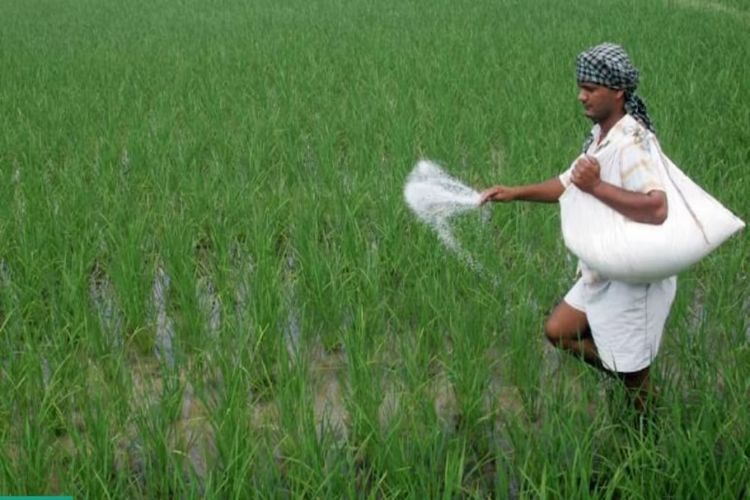
The government's Rs 624 billion Rabi fertiliser subsidy outlay is expected to support demand recovery in H2FY27, though an 11 per cent decline in Rabi acreage and below-normal reservoir levels remain key concerns, according to Dolat Capital.
The government on November 11 approved the Nutrient-Based Subsidy (NBS) rates for Phosphatic and Potassic (P&K) fertilisers for the Rabi 2026-27 season, effective from October 1, 2026, to March 31, 2027. The subsidy support is aimed at ensuring the availability of fertilisers to farmers at affordable prices.
According to the report, agrochemical companies with specialty product portfolios outperformed generic and export-oriented players during Q2FY27, amid intense global pricing competition.
Furthermore, higher raw material costs and expensive inventories continued to weigh on profitability, while limited pricing power restricted companies' ability to pass on rising costs to consumers.
On the other hand, elevated global prices of ammonia, phosphoric acid and sulphur, coupled with unfavourable price differences between diammonium phosphate (DAP) and complex fertilisers, adversely impacted profitability and demand for nitrogen, phosphorus and potassium (NPK) fertilisers.
However, stable urea demand and operational efficiencies supported the earnings of integrated fertiliser manufacturers.
As per Dolat Capital, “…the revised Rabi FY27 NBS rates—raising the tentative subsidy outlay 64% YoY to Rs 624bn —are a timely positive.”
“Reflecting global input price movements, the enhanced support should improve domestic P&K manufacturing viability, moderate complex fertiliser retail prices, and restore NPK affordability, supporting a gradual H2FY27 offtake recovery,” it said.
The report highlighted that inadequate post-monsoon rainfall, declining soil moisture and below-normal reservoir levels have slowed Rabi sowing, with total acreage declining around 11 per cent year-on-year as of November 13, 2026, primarily due to lower sowing of wheat and pulses.
While higher minimum support prices (MSPs) for the 2026-27 Rabi season, particularly for oilseeds and pulses, are expected to support farm incomes, recovery in acreage, agricultural input demand and clearance of existing inventories will depend on irrigation availability, winter rainfall and crop price realisations.
READ MORE: At 44, Elvis Ali Hazarika conquers the Indian West Coast in 13 days
“Although the NBS revision improves near-term visibility for P&K fertiliser players, a meaningful agrochemical recovery hinges on Rabi sowing momentum, channel inventory normalisation, and global generic price stabilization,” it said.
The report identified Rabi sowing progress, reservoir levels, global raw material prices, farmers' purchasing power and export demand as key factors to watch in the coming months.