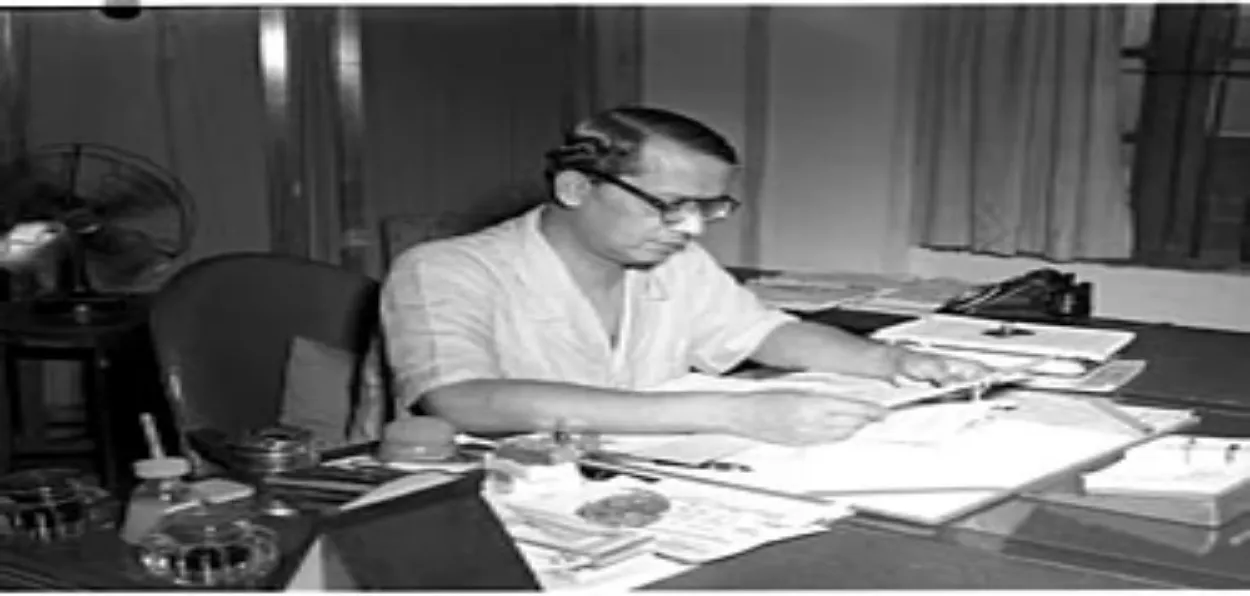
.webp "Rafiq Ahmad, Social activist")
Firdous Khan
Some individuals devote their entire lives to serving society and humanity, rising above personal needs and ambitions and never thinking of self-comfort. Rafiq Ahmad, a resident of Indri in Haryana’s Karnal district, is one such person whose work of restoring Muslim religious sites like mosques and graveyards in the Punjab-Haryana region has left Muslims with gratitude to this son of the soil.
The first Muslim graduate of Karnal, Rafiq Ahmad, is among those rare individuals who dedicate their lives to improving the social conditions of Muslims and other communities in Independent India.
Rafiq Ahmad was born in 1944 in the village of Kheda in Karnal district, which at that time was part of Punjab, as Haryana became a separate state only on November 1, 1966.
At that time, India was under British rule, and the Freedom Movement was at its peak. He recalls that although he was very young, his mother Rahmi and father Muhammad Saddiq often narrated stories of that turbulent era — how British soldiers tortured freedom fighters and how people dreamt of independence while living in fear and uncertainty.
When the country finally gained freedom, it also witnessed the pain of Partition. The exodus of Muslims to Pakistan and Hindus returning to India left deep scars on every heart. But many Muslims refused to migrate, saying they were born in this soil and wished to be buried in the same.
 A Mosque restored due to efforts of Rafiq Ahmad
He explains that numerous Muslim freedom fighters from Haryana and Punjab worked tirelessly during that period to protect people from fear and rumours while encouraging them to stay in India.
People like Maulvi Baqa Ullah of Panipat, Rao Muhammad Hussain of Karnal, Abdul Ghaffar of Ambala, and Maulvi Khalilur Rahman of Phagwara were companions of Mahatma Gandhi and played crucial roles in maintaining peace during Partition.
In September 1947, they invited Gandhiji to Panipat. One of his speeches convinced Muslim weavers to give up the idea of moving to Pakistan. Rao Muhammad Hussain was so respected that even Indira Gandhi affectionately called him Chacha.
In those days, Muslims lived in Punjab and Haryana, but very few mosques had survived. Most had been encroached upon or damaged. Jawaharlal Nehru had promised the protection and restoration of Muslim religious sites.
Under his direction, the administration began freeing mosques from illegal occupation. Police helped in removing encroachments, restoring graveyards, and repairing mosques. Arrangements for prayer mats, water, electricity, and imams were gradually put in place. Slowly, abandoned mosques began to come alive again.
Rafiq Ahmad recalls that the Nawab Azmat Ali Khan Mosque in Karnal was also under occupation before it was cleared in 1955. Nawab Azmat Ali Khan was given one room in the mosque premises, and it was in this very room that freedom fighters like Maulvi Baqa Ullah, Rao Muhammad Hussain, Abdul Ghaffar, and Maulvi Khalilur Rahman held meetings and discussed plans for public welfare. Since Rafiq lived nearby, he served them tea and water. This gave him the rare opportunity to learn from these great personalities, which later instilled in him a deep passion for social service.
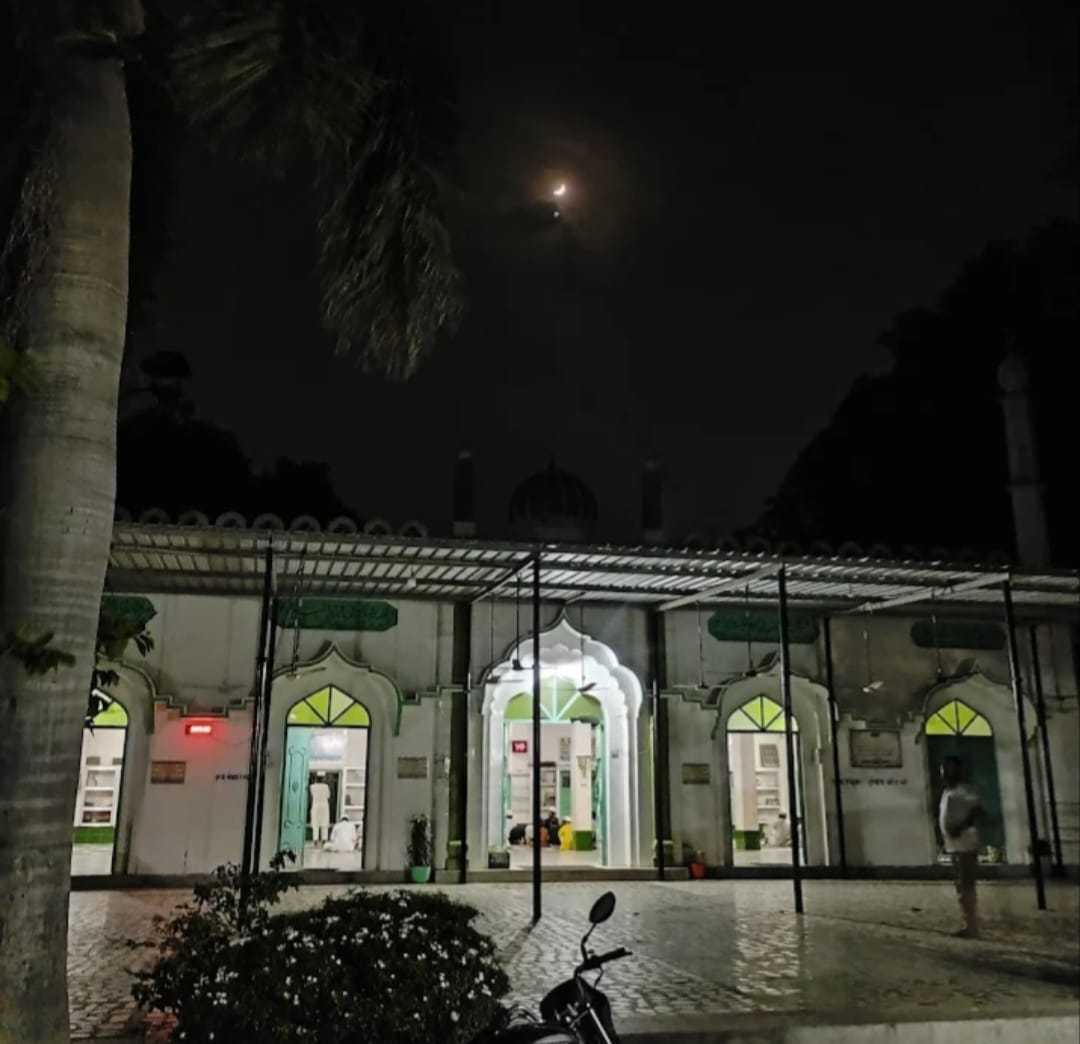
Religious site restored with the efforts of Rafiq Ahmad
He says that the Eidgah in Karnal was built in 1960, and that same year a mosque was constructed in Indri. In 1962, the Eidgah of Indri was also built. Many new mosques were constructed, and old religious sites were revived. Rafiq Ahmad says that his life was spent working on such causes, often at the cost of personal responsibilities, but his heart always remained dedicated to public service. He often remembers Majrooh Sultanpuri’s famous verse:
“Main akela hi chala tha janib-e-manzil magar, Log saath aate gaye aur karwan banta gaya.” (I started walking alone towards the destination; people kept joining me, and soon it became a caravan)
Being good in studies, he became the first Muslim graduate of Karnal, a major achievement at that time when educational levels among Muslims were very low. He always encouraged Muslims to educate their children, especially daughters.
Along with his social work, he also worked in sugar production, and whenever he had free time, he worked for the welfare of the community.
ALSO READ: Begum Sultan Amiruddin asked for banning polygamy and triple talaq in 1930s
One major problem was the severe shortage of graveyards. Whenever someone died, families struggled to find a burial place. Rafiq Ahmad worked with the administration to arrange several graveyards, receiving full cooperation from Hindu brothers as well. He helped establish many madrasas so that children could receive religious education, which he believed was essential, as mosques could only remain active if imams were properly trained.

.jpg "Gujarat’s women entrepreneurs bring their craftsmanship to life during Navratri")