Firdaus Khan
Rajesh Khan Machchari was moved by the findings of the Sachar Committee that highlighted the absyml socio-economic conditions of Muslims in India. Hopwever, unlike many others who read it and did nothing, he decided to find solutions to the problems faced by the community.
The Sachar Committee report highlighted the Muslims' alarming condition and recommended strong measures for their upliftment. The report awakened a sense of awareness among Indian Muslims.
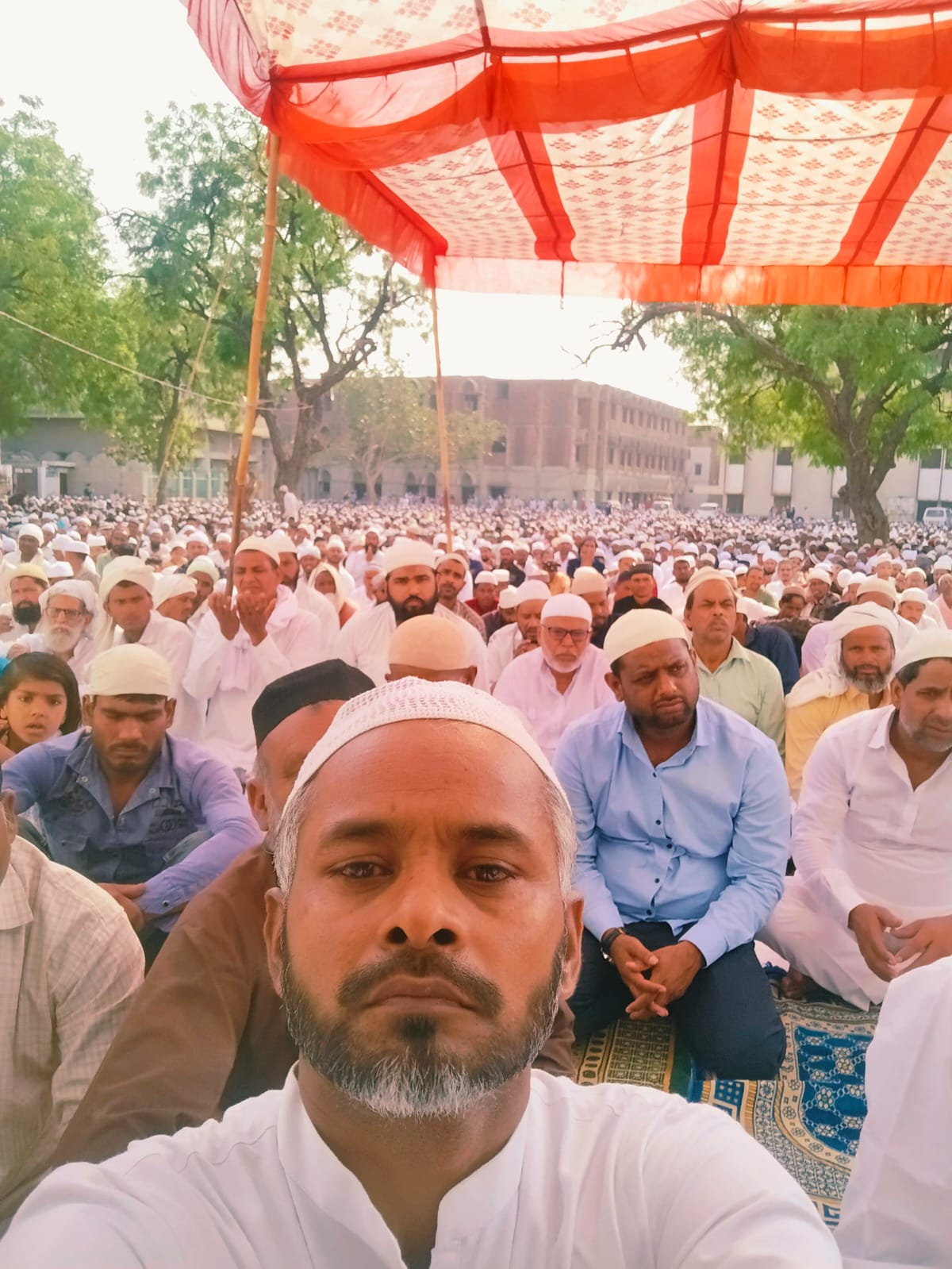
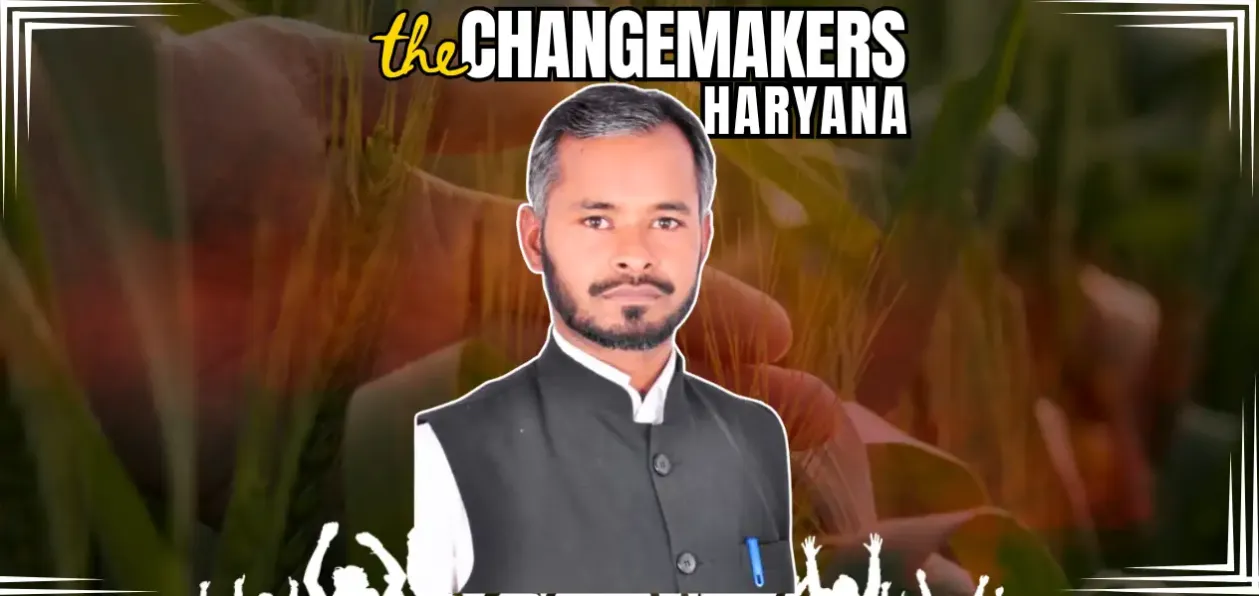
Rajesh, a resident of Eidgah Colony in Sonipat, Haryana, is a lawyer by profession. For years, he has been raising the voices of minorities, Dalits, backward communities, and the oppressed.
He belongs to that section of the Muslim community considered the most backward. Hence, he understands the pain, struggles, and challenges of this segment deeply.Born on 10 July 1979 in Badshahpur Machchari village of Sonipat district, he is one of five siblings. His mother, Nanhi, is a homemaker. His father, Kartar Singh, belonged to the family of Chandu Ji of the Sakka community and was its leader.
Their family was involved in the buffalo trade, which extended from Haryana to Delhi, Baghpat, Ghaziabad, Hyderabad, and Maharashtra. His parents wanted him to study well and bring pride to the family. Rajesh completed his BA LLB from Chaudhary Charan Singh University, Meerut, and began practising as an advocate at the Sonipat court, which became his livelihood.
Rajesh considers social service his duty. He inherited this inspiration from his family. His mother could never see anyone in distress and always helped people within her capacity—sometimes with food grains, sometimes with cooked meals, and sometimes with clothing.
His great-grandfather, Chandu Sakka, also played a major role in resolving community disputes and guiding people. Community members would approach him for advice, and he helped everyone as much as possible. Growing up in such an environment, Rajesh naturally developed a deep Since 2006, he has been serving as the President of the Kabrastan Intzamiya Sangharsh Samiti Haryana.
The committee works maintenance of graveyards, ensuring water and electricity supply, removing illegal encroachments, building boundary walls, leveling land, and planting trees. It also undertakes the burial of unclaimed bodies. For Rajesh, dealing with such sensitive community issues is not merely a task—it is a form of service.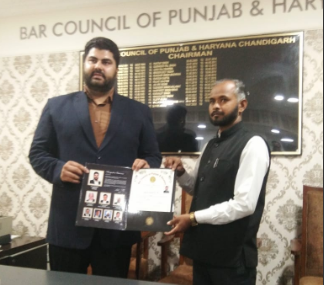
Rajesh also fought tirelessly to get the Sakka or Abbasi community included in the Backwards Class category. He recounts how, along with his colleagues, he met the then Chief Minister, Chaudhary Om Prakash Chautala, several times and submitted written petitions.
Their efforts bore fruit when, in 2001–2002, the Sakka community was included under the BCA category of the Backwards Classes. In the same period, he and members of the Sakka/Abbasi community founded the All-India Abbasi Welfare Association. Initially appointed as District Secretary, he was later promoted to Haryana State President in recognition of his work.
Rajesh is actively spreading awareness on issues such as education, healthcare, sanitation, dowry, and the environment. He has been active in social work since 1998. He advises parents that educating children, especially daughters, is essential because education is the greatest tool for transforming any community.
After his marriage in 2003, his wife, Suman Abbasi, also joined him in his social work. She works as an ASHA worker in Eidgah Colony and helps find solutions to women’s issues. This family support further strengthens Rajesh’s resolve.
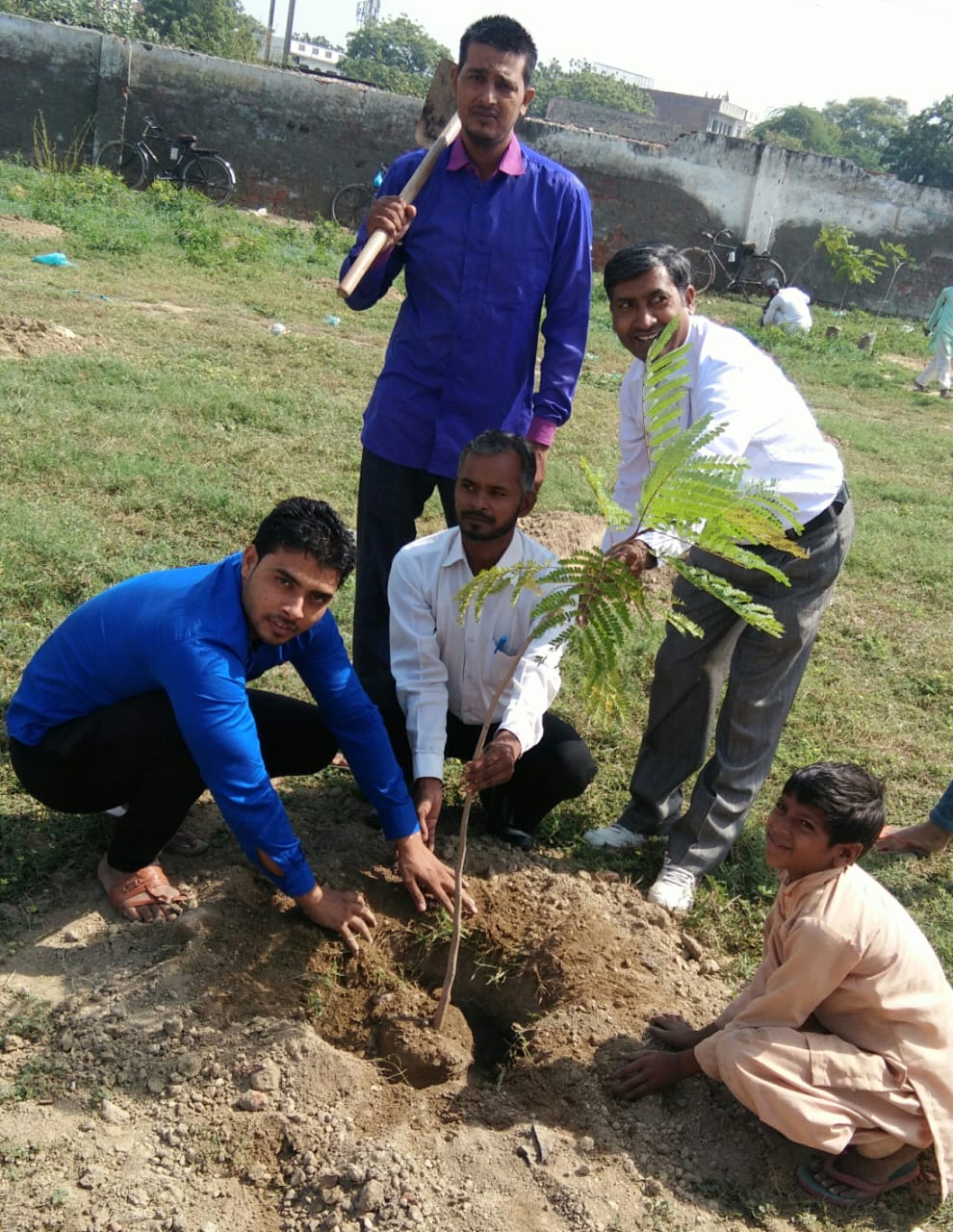 Rajesh Khan leading the Plantation drive
Rajesh also leads tree plantation drives for environmental protection. He says that trees are precious for life, health, and the economy. They purify the environment, regulate temperature, prevent soil erosion, and provide habitats for living beings. Trees are nature’s greatest gift, and plantations must be encouraged to secure the future.
He expresses deep concern about the ills of the dowry system. He says that the evil of dowry is rapidly spreading even in the Muslim community, ruining the lives of many daughters. Some girls cannot get married due to dowry demands, while others suffer harassment after marriage.
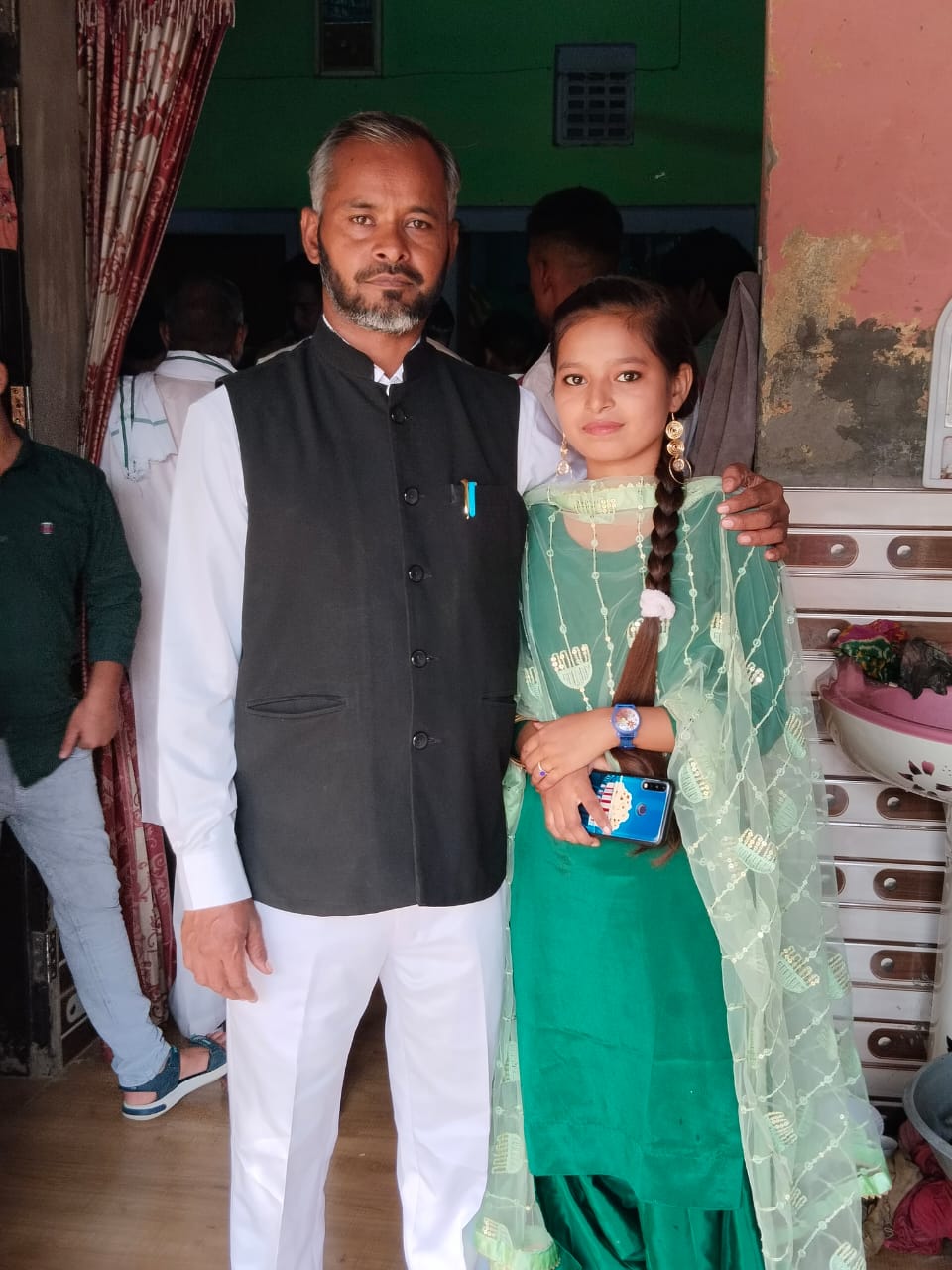 Rajesh Mancheri with his daughter
He believes that this evil is fueled mostly by those who spend extravagantly on their daughters’ weddings and show it off. This display harms poor families the most. Therefore, he insists, the dowry system must be stopped immediately.
ALSO READ: Rafiq Ahmad led restoration of mosques, graveyards in Punjab after partition
Rajesh’s social service has earned him many honours. In 2017, he received the Abbasi Ratna Award from the Indian Sheikh Abbasi Minority Federation. In 2022, he was also honoured by the All-India Abbasi Federation. These awards are not just recognition of his dedication but also an inspiration for society, reminding us that sincere effort and a spirit of service always bear fruit.

.jpg "Gujarat’s women entrepreneurs bring their craftsmanship to life during Navratri")