New Delhi
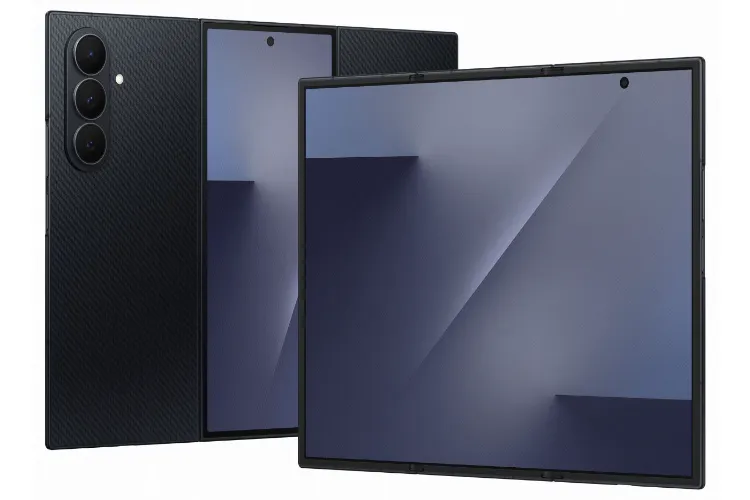
Samsung’s ambitious new foldable, the Galaxy Z TriFold, may be more of an engineering showcase than a profit-maker. According to a report by South Korean outlet The Bell, cited by 9to5Google, the company is selling each TriFold at a loss, which could explain the device’s limited availability.
Priced at 3.59 million South Korean Won (around 2,500 dollar) in South Korea, it is Samsung’s most expensive smartphone yet. Despite the premium, the device’s complex hardware and advanced components, especially memory modules are pushing production costs above the retail price. Executives have hinted this is intentional, positioning the TriFold as a special-edition gadget for early adopters, rather than a mass-market device.
Samsung Electronics Korea VP Lim Sung-taek explained that pricing decisions were tough but necessary to make the device accessible amid a global shortage of memory components, driven largely by rising demand from AI applications.
Selling a flagship at a loss may sound unusual, but it mirrors strategies in the tech sector initial gaming consoles, for example, were often launched at a deficit, with hopes of recouping costs later through production efficiencies and ecosystem revenue. For Samsung, the TriFold underscores the high cost of foldable technology and the gap between retail pricing and manufacturing expenses.
ALSO READ: Mohammad Saleem watches over birds, endangered animals and trees
The Galaxy Z TriFold is expected to reach the U.S. market in early 2026, though pricing details remain undisclosed. With production costs this high, consumers may have to brace for another premium price tag.

.webp "Union Home Minister Amit Shah")