




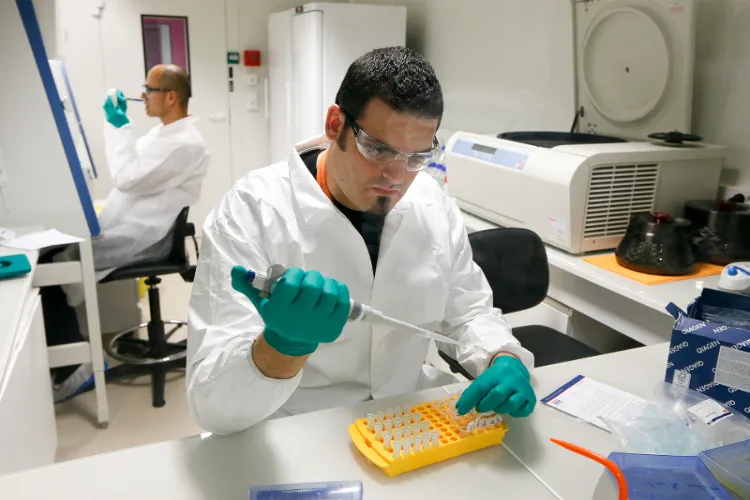
.jpg "Representational Image")
New Delhi
More than 50 per cent of people waited over a year to seek professional mental health care, while 56.2 per cent reported thoughts of self-harm before accessing care, according to mental healthcare provider Amaha's 'Mental Health Report 2026'.
The report, titled "The Amaha Mental Health Report 2026: Understanding the Journey to Care in India", is based on responses from 13,825 people who answered questions before starting care between October 2025 and September 2026.
The findings show that 53 per cent of respondents lived with mental health concerns for over a year before seeking professional support, while only 11.3 per cent accessed care within a month of experiencing their concerns.
"More than half of respondents (56.2 per cent) said they had experienced thoughts of self-harm before seeking care.
"The figure was higher among students (71.7 per cent) and unemployed people (64.7 per cent) than among working professionals (53.2 per cent)," the report reads.
It also found that 15.4 per cent of respondents used alcohol or other harmful substances before accessing professional support, with men more likely than women to report such use across age groups between 18 and 54.
As many as 94.9 per cent reported two or more mental health issues simultaneously, with respondents naming an average of five concerns each.
"Anxiety emerged as the most commonly reported concern at 72.1 per cent, followed by stress (67.5 per cent), low mood (58.3 per cent), relationship or interpersonal difficulties (55.6 per cent) and frequent mood swings (54.1 per cent)," it said.
The report also found that nearly 55 per cent of respondents had spoken to friends or family before seeking professional care, while 44.6 per cent had tried self-help.
"Nearly a third (32.9 per cent) had previously tried therapy, and 19.4 per cent had been prescribed medication," it added.
The report also highlighted the coping strategies people adopt before accessing care.
An overwhelming 82.7 per cent reported avoidant coping methods, including excessive screen time, oversleeping and overworking, while 43.1 per cent used adaptive strategies such as exercise or journaling.
READ MORE:From a mud house Sana Azmi clears UPSC, sets her sight on IAS
"India's progress in mental health must be judged by whether people can get timely, effective care, not simply by how openly we talk about it," said Dr Amit Malik, psychiatrist, founder and CEO of Amaha.
He said friends, families and communities play a vital role in helping people recognise their needs and find professional support, adding that seeking treatment should not "become another test of a person's resilience".

.jpg "Gujarat’s women entrepreneurs bring their craftsmanship to life during Navratri")










_(1).jpg "Representational Image")
.webp)
_(2).webp)


.webp)
