New Delhi
Can a little tiredness, mild chest discomfort, or occasional breathlessness indicate something more serious than an everyday health problem?
Many people associate heart disease with sudden chest pain or a dramatic medical emergency. However, early signs of heart disease are not always easy to recognise. Some symptoms resemble common problems such as indigestion, stress, muscle strain, or physical exhaustion.
This similarity can lead people to ignore important warning signs or delay medical attention. Understanding why heart disease symptoms are sometimes mistaken for ordinary health complaints can help individuals recognise concerning changes and make informed decisions about their health.
Why Are Heart Disease Symptoms Often Difficult to Recognise?
Heart conditions do not always produce obvious or consistent symptoms. Some develop gradually, while others cause discomfort that comes and goes, making it difficult to distinguish a medical concern from temporary physical discomfort.
Symptoms Can Develop Gradually
Certain cardiovascular conditions progress over several years. Coronary artery disease, for example, develops when fatty deposits accumulate inside arteries supplying blood to the heart.
As these arteries narrow, individuals may experience chest discomfort or breathlessness during physical activity. Because the symptoms may initially disappear with rest, they can be mistaken for poor fitness or tiredness.
Heart Problems Do Not Always Cause Severe Chest Pain
Although chest discomfort is a common warning sign, heart problems can also produce symptoms elsewhere in the body.
Some individuals experience discomfort in their arms, shoulders, jaw, back, or upper abdomen. Others notice nausea, dizziness, or unusual fatigue.
These symptoms have several possible causes, which makes medical assessment important when they are unexplained, persistent, or recurring.
Everyday Health Complaints That May Actually Signal Heart Problems
Several familiar physical complaints can overlap with cardiovascular symptoms. Recognising these similarities does not mean every minor symptom indicates heart disease, but certain patterns deserve closer attention.
Indigestion or Unusual Upper Abdominal Discomfort
Heartburn and indigestion are common complaints, particularly after meals. However, angina and heart attacks can sometimes produce discomfort resembling digestive problems.
A person experiencing pressure in the upper abdomen may initially assume that acidity is responsible. If discomfort occurs during physical activity, returns repeatedly, or accompanies sweating or breathlessness, a cardiovascular cause needs consideration.
Persistent Fatigue Without an Obvious Explanation
Fatigue can result from inadequate sleep, stress, anaemia, or numerous other conditions. However, unusual tiredness may also occur with certain heart conditions, including heart failure.
For example, someone who previously completed household activities comfortably may begin feeling exhausted after relatively minor tasks.
A noticeable reduction in exercise tolerance, particularly alongside breathlessness or swelling, warrants medical assessment.
Breathlessness Mistaken for Poor Fitness
Feeling breathless after strenuous exercise is normal. However, difficulty breathing during activities that previously caused little effort may indicate an underlying problem.
Heart failure can cause fluid to accumulate in the lungs, making breathing difficult. Some individuals also experience breathlessness while lying flat or wake during the night struggling to breathe.
These changes should not automatically be attributed to ageing or reduced fitness.
How Can Individuals Recognise Symptoms That Need Medical Attention?
Recognising possible cardiovascular symptoms involves paying attention to their frequency, severity, and relationship with physical activity. A symptom that repeatedly interrupts normal activities may deserve investigation even when it appears mild.
Identify Changes in Normal Physical Ability
An important warning sign is a noticeable change from an individual's usual level of activity.
For example, climbing stairs may previously have been comfortable but now causes chest tightness or unusual breathlessness. Such changes can indicate that the heart is struggling to meet the body's demands.
Individuals experiencing recurring symptoms can consult a qualified cardiac specialist. Someone searching for the best cardiologist in abu dhabi should prioritise appropriate qualifications, relevant clinical experience, and access to necessary diagnostic services rather than relying on promotional rankings.
Know When Symptoms Require Emergency Care
Certain symptoms should never be monitored at home while waiting for a routine appointment.
Warning signs include:
• Chest pressure, tightness, or pain that lasts several minutes or returns.
• Chest discomfort accompanied by sweating, nausea, or breathlessness.
• Pain spreading towards the arms, neck, jaw, or back.
• Sudden, unexplained breathing difficulty.
• Fainting or severe weakness alongside other concerning symptoms.
A suspected heart attack requires immediate emergency medical assistance. Individuals should contact their local emergency service rather than attempt to drive themselves to hospital.
Why Do Some People Overlook Their Cardiovascular Risk?
Personal assumptions can influence how symptoms are interpreted. Age, gender, existing medical conditions, and daily habits sometimes create a misleading sense of reassurance.
Younger Adults May Dismiss Early Warning Signs
Although cardiovascular risk generally increases with age, younger adults can also develop heart disease.
Smoking, high blood pressure, diabetes, elevated cholesterol, and family history can increase cardiovascular risk.
A younger individual experiencing repeated chest discomfort should therefore avoid assuming that age alone rules out a heart-related condition.
Symptoms May Differ Between Individuals
Heart attack symptoms are not identical for everyone. Women, for example, may experience unusual fatigue, nausea, breathlessness, or back discomfort alongside or instead of prominent chest pain.
People living with diabetes may also experience less obvious symptoms of reduced blood supply to the heart.
Understanding these differences can help prevent delayed assessment when symptoms do not match familiar descriptions of heart attacks.
How Do Doctors Identify Heart Disease Behind Common Symptoms?
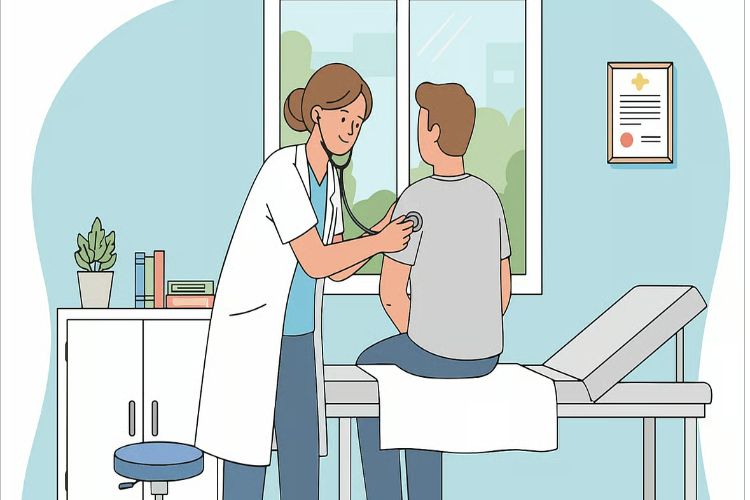
Medical professionals examine symptoms alongside personal risk factors, family history, and clinical findings. Because several conditions can produce similar complaints, diagnosis may require more than a routine physical examination.
Common Diagnostic Tests
Depending on the suspected condition, doctors may recommend:
• Electrocardiogram (ECG): Records the heart's electrical activity and helps identify certain rhythm abnormalities and signs of reduced blood supply.
• Echocardiogram: Uses ultrasound to assess heart structure, valves, and pumping function.
• Blood tests: Help assess cardiovascular risk or detect heart muscle injury when appropriate.
• Stress testing: Evaluates how the heart responds to physical activity or medically induced stress in selected patients.
Not every patient requires every test. Doctors select investigations according to symptoms and clinical findings.
Specialist healthcare facilities, including cleveland clinic abu dhabi, provide cardiovascular assessment and diagnostic services for patients with suspected or established heart conditions. The appropriate tests depend on an individual's medical needs.
Conclusion
Heart disease symptoms are sometimes mistaken for everyday health problems because they can resemble indigestion, tiredness, muscle discomfort, or poor physical fitness.
READ MORE: Suhail Bhat, Sandip Mandi's goals make India lift SAFF trophy
The important distinction often involves recognising changes in symptom patterns, physical ability, and overall health. While occasional discomfort does not automatically indicate cardiovascular disease, unexplained or recurring symptoms deserve appropriate medical evaluation.
Recognising warning signs early, understanding personal risk factors, and obtaining timely medical attention can help individuals avoid overlooking potentially serious heart conditions.