




New Delhi
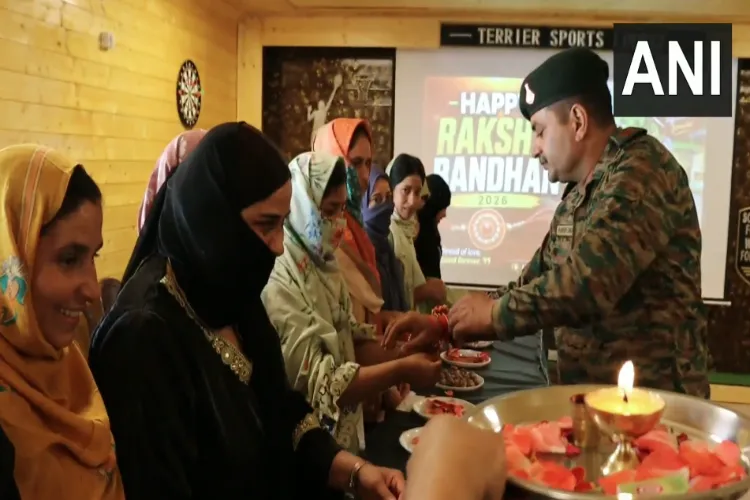
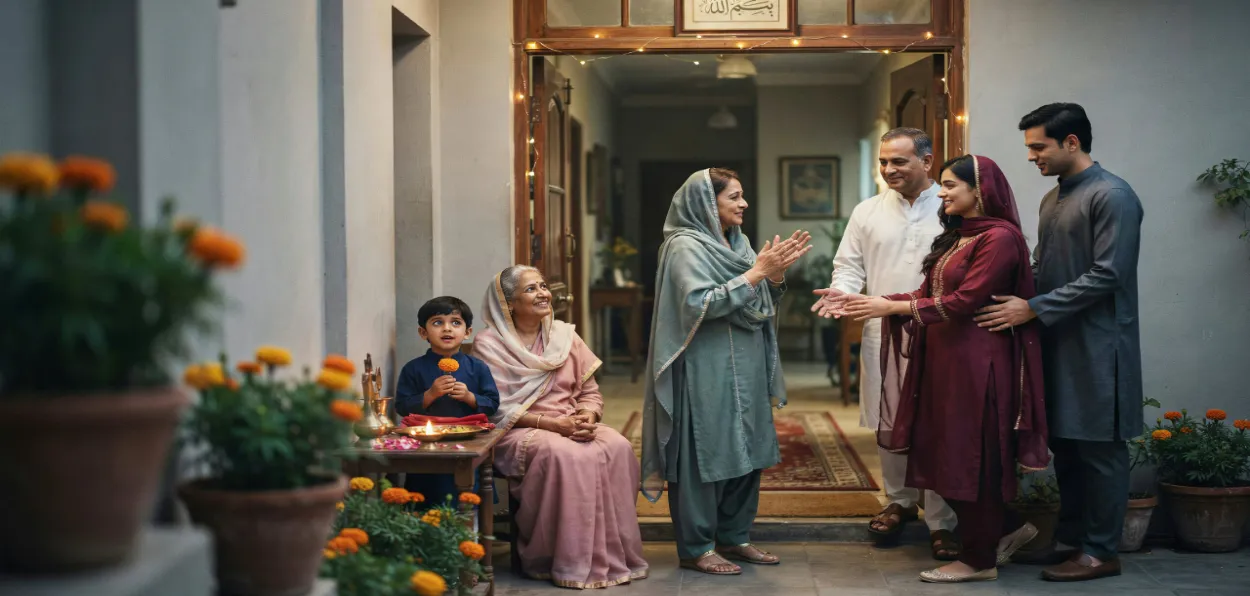
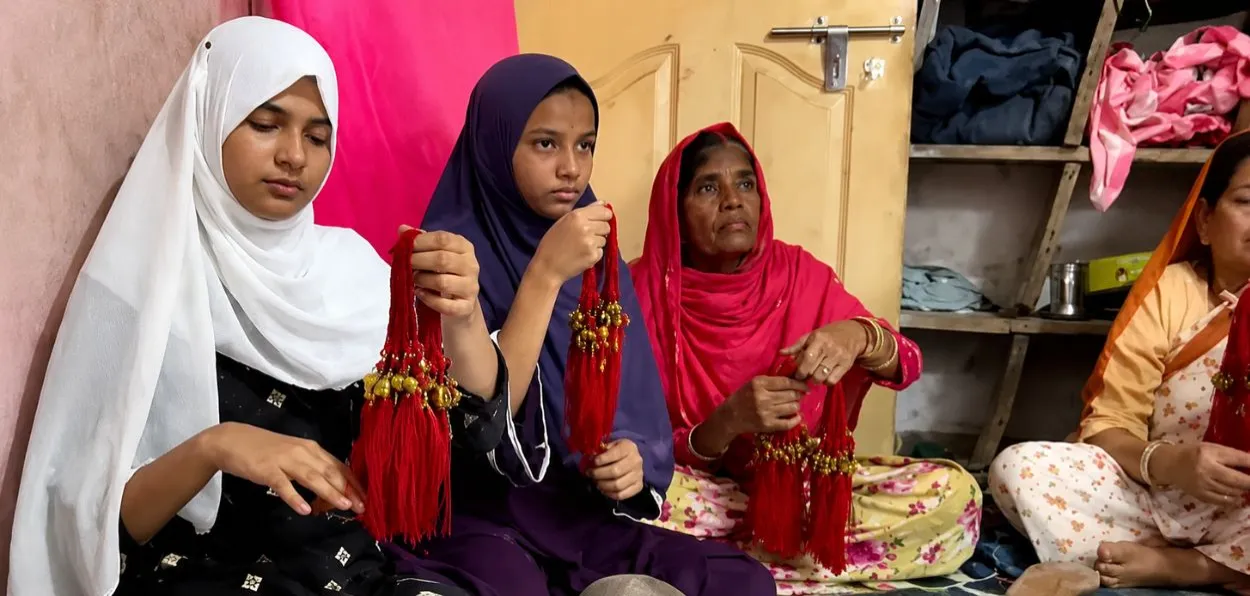
In a heartwarming display of brotherhood, communal harmony and mutual respect, Raksha Bandhan was celebrated in Patahirri village of Kupwara, where local Muslim Kashmiri women tied rakhis on the wrists of Indian Army jawans.
The simple yet deeply meaningful gesture transformed the traditional festival into a powerful symbol of unity. As the women tied the sacred threads, they expressed affection, gratitude and prayers for the safety and well-being of the soldiers serving in the region.
#WATCH | Kupwara, J&K: Local women tie rakhis to Army jawans on Raksha Bandhan.
— ANI (@ANI) August 28, 2026
A local says, "I'm proud to be able to tie rakhis to the brothers in the Army who fight for us. They gave us gifts and lots of love." pic.twitter.com/iz92F7NLfe
Raksha Bandhan is traditionally associated with the bond between brothers and sisters. In Patahirri, however, the festival rose above religious identity and became a celebration of a larger human relationship. The women saw the jawans not merely as members of the security forces, but as brothers who live far away from their own families while carrying out their duties in difficult circumstances.
The colourful rakhis tied around the soldiers’ wrists carried a message that needed no translation: bonds of affection and humanity are stronger than differences of religion, language or culture.
For the Muslim women of the village, participating in the celebration was also a way of acknowledging the presence and service of the Army personnel in their area. Their prayers for the soldiers’ safety reflected a sense of shared concern and emotional connection.
The occasion offered a touching picture of Kashmir’s enduring traditions of coexistence. Hindu and Muslim communities have long shared cultural spaces, festivals, traditions and moments of joy. Such gestures serve as reminders that India’s diversity is not merely about different identities living alongside one another, but also about people finding common values and building relationships that transcend those identities.
As the women tied rakhis and the jawans accepted them with warmth, Patahirri witnessed a moment where faith did not divide but brought people closer through the shared language of affection and respect.
READ MORE: Maharashtra: Taj Mohammad keeps the tradition of ‘Dev Rakhi’ alive
In a world often marked by attempts to highlight differences, the Raksha Bandhan celebration in this small village of Kupwara sent a different message. A thread tied on a wrist became a symbol of trust. A festival became a bridge between communities. And a simple gesture between local Muslim women and Army jawans reflected the timeless essence of India’s social fabric brotherhood, harmony and the belief that humanity comes before all divisions.





_(1).webp)
.webp)