Dayaram Vashishth/Faridabad
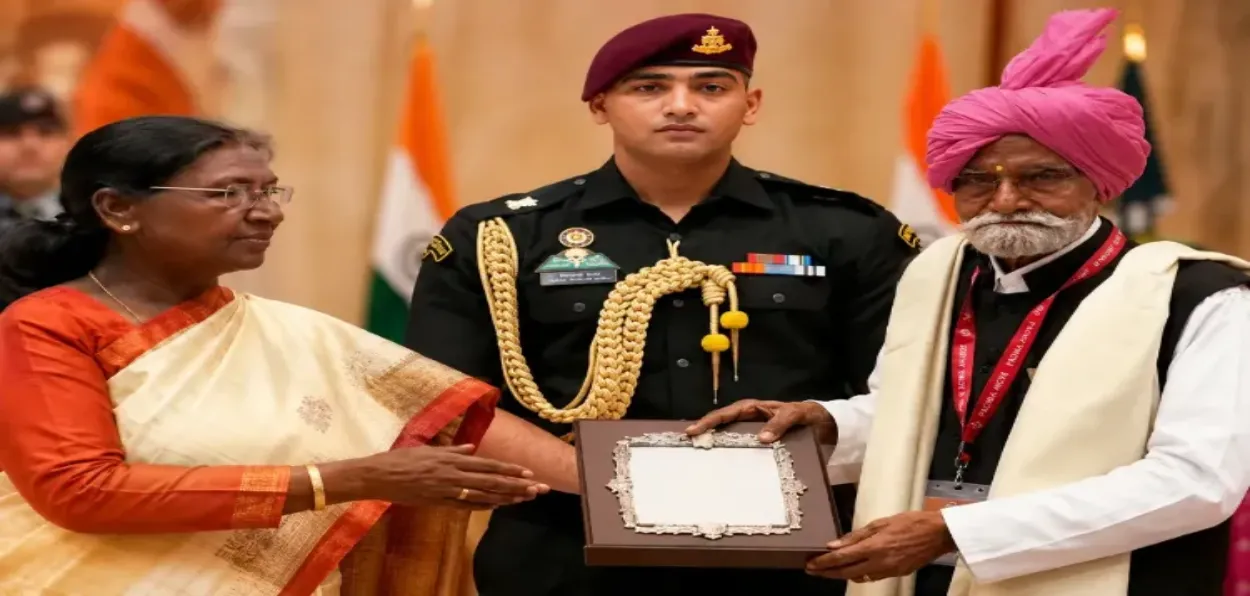
When President Droupadi Murmu presented the Sangeet Natak Akademi Awards for 2024 to distinguished artists for their contribution to India’s performing arts on August 16, among those honoured was 89-year-old Haryana folk musician Hawa Singh Nath Sapera.
For Hawa Singh, the prestigious award is not merely a personal recognition. It also puts the spotlight on Haryana’s rich folk traditions and on the Sapera community, whose centuries-old musical heritage has long been associated with the been—the traditional wind instrument once inseparably linked with snake-charming performances.
Hawa Singh’s journey from a nomadic family to some of the world’s most prestigious cultural stages is a remarkable story of perseverance, talent and a deep commitment to his roots.
Even at 87, Hawa Singh continues to play the been with remarkable energy. His music has taken him from village gatherings and All India Radio programmes to national cultural festivals and international stages in Dubai and Milan.
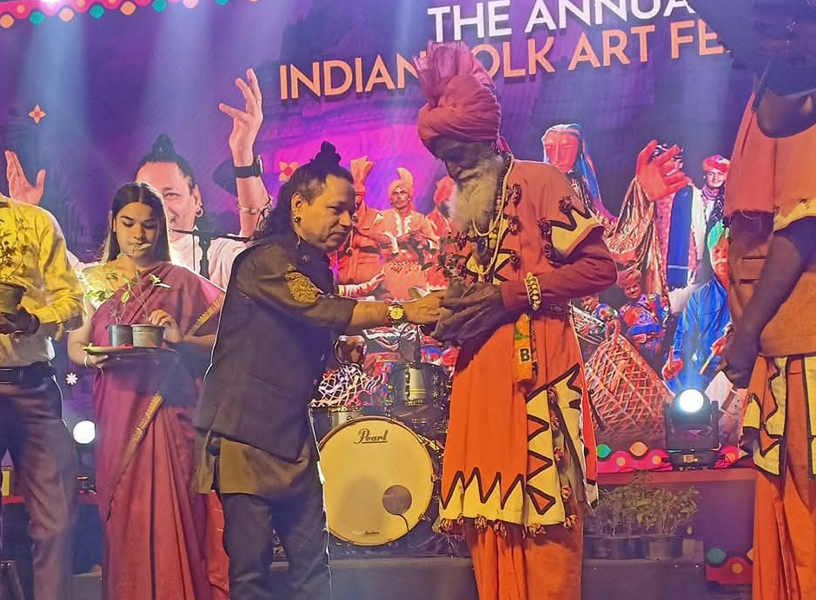
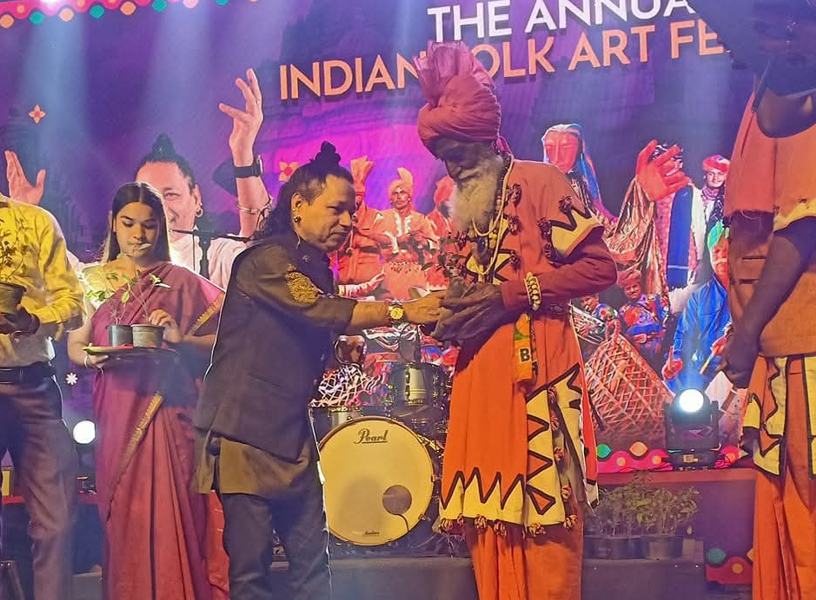 Singer Kailash Kher with Hawa Singh Nath in a show
The recognition has also brought renewed attention to an art form that is now struggling to survive.
Hawa Singh was born into a nomadic Sapera family in Dabar Thala village of Karnal district, Haryana. His father, Chunni Nath, died three months before his birth, and he was named Devanath during his childhood.
For generations, members of the community had earned their livelihood through snake-related performances accompanied by the been. His elder brother, Chandgi Nath, made a simple instrument from a dried gourd and gave it to Hawa Singh when he was around 10 years old.
That instrument changed his life.
Devanath began practising the been, learning from villagers and traditional musicians. By the age of 15 or 16, he had become highly proficient. He later became a disciple of Guru Tota Nath.
At a programme organised by the Sapera community, Tota Nath heard his young disciple perform and decided that Devanath should henceforth be known as Hawa Singh Nath. His guru told him that if he continued to work hard, he would bring fame to himself and glory to the community.
Hawa Singh never forgot those words.
After marrying Badami, the daughter of Sadhu Nath, he settled at his wife’s home in Rajolka village in Palwal district. His musical talent soon won over his in-laws and the wider community.
There was a time when saang, Haryana’s traditional folk theatre, was one of the major forms of entertainment in the state. As Hawa Singh’s reputation as a been player grew, renowned singer and saangi Chandrawadi visited his home and invited him to join his group.
That proved to be a turning point.
Hawa Singh began performing regularly and eventually started giving programmes on All India Radio,Rohtak. His music soon travelled far beyond Haryana.
In 1986, his Been Jogi Group participated in Apna Utsav, a major national cultural festival held in New Delhi. Three years later, during an Apna Utsav performance in Mumbai, his playing reportedly so captivated actor and dancer Hema Malini that she came onto the stage and danced to his music.
The performance also brought him recognition among several Bollywood personalities.
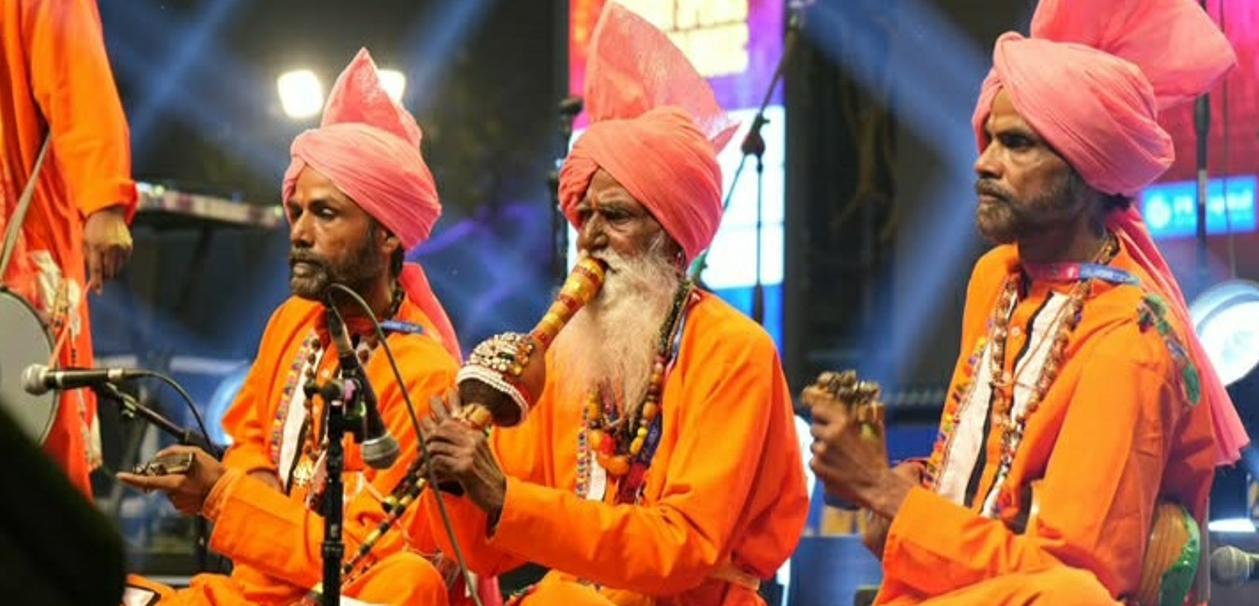 Hawa Singh Nath performing
In 1989, Hawa Singh was invited by the Indian Association to perform at the Dubai Shopping Festival in the United Arab Emirates. His performances were so well received that he was invited back four times.
In 2007, he travelled to Milan, Italy, where he performed with his students.
His troupe has also participated in national events, including Republic Day-related programmes and cultural events in Haryana.
His talent even attracted the attention of former Prime Minister Atal Bihari Vajpayee, who invited Hawa Singh and his troupe for a meal.
Hawa Singh’s association with the performing arts has extended beyond live performances.
He appeared as himself in Bitiya, a film associated with the Ministry of Health and Family Welfare. He also served as music director for Dadi Laxmi (2022), produced by actor Yashpal Sharma.
His long career has brought him numerous honours, with the Sangeet Natak Akademi Award for2024 being among the most significant.
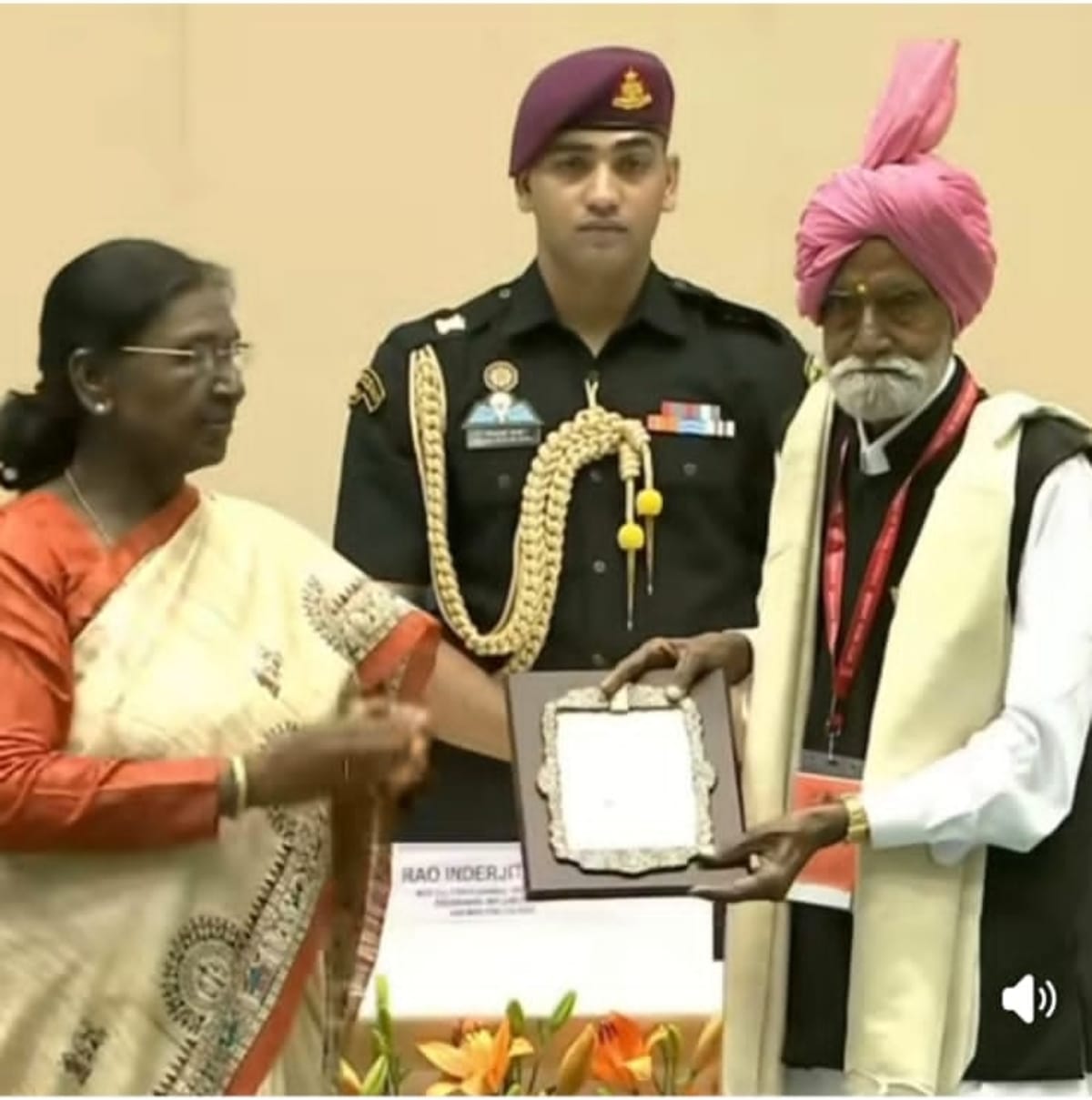
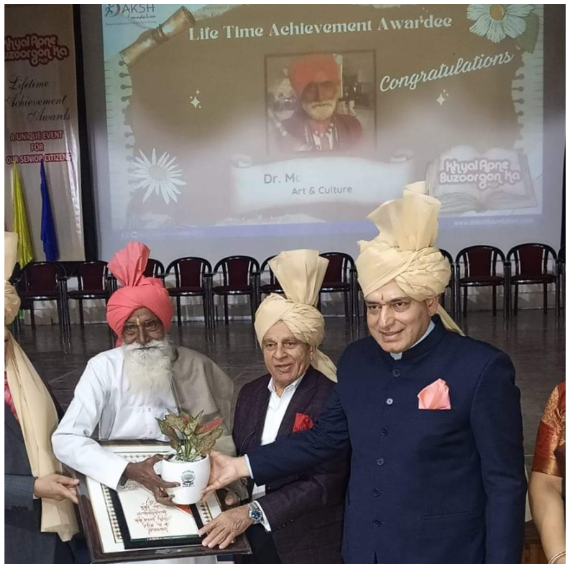 Hawa Singh Nath receving an award
The making of the been
For the Sapera community, the been is more than a musical instrument. It represents an inherited craft and a cultural identity.
Traditional Saperas do not necessarily use commercially manufactured bamboo instruments. The been is traditionally made using a dried bottle gourd, bamboo and other locally available materials. Bamboo tubes are fitted into the gourd, with traditional makers using natural beeswax to seal and join the components.
The construction of the instrument itself reflects the community’s intimate knowledge of natural materials and traditional craftsmanship.
For centuries, music and snake-related performances were intertwined with the community’s livelihood. In some families, a daughter’s marriage traditionally involved giving her husband the basic possessions required to earn a living, including bags, baskets and, in some cases, a snake. A prospective groom could also be judged by his ability to play the been.
But that way of life has changed dramatically.
A study by the Wildlife Trust of India has documented how restrictions on snake charming severely affected the traditional livelihoods of Jogi-Nath communities, forcing many members to look for alternative occupations.
Hawa Singh himself has long argued that the disappearance of snake-charming performances should not necessarily mean the disappearance of the community’s musical heritage. His own career demonstrates how the been can survive independently as a folk musical instrument.
He believes that if greater attention is given to the community’s traditional music, younger generations can be encouraged to learn the been and other instruments, allowing this rare cultural tradition to survive without violating wildlife-protection laws.
Keeping the tradition alive
Hawa Singh has attempted to ensure that his own family carries the tradition forward. He has trained his children in different musical instruments. His sons Randhir Nath and Rajbir Nath play the tumba, Ramveer Nath and Jaiveer Nath play the been, while Sanjay Nath plays instruments such as the chimta and khanjari.
The family performs together as a musical group.
Following the Sangeet Natak Akademi honour, Mukesh Vashisht, media coordinator for Haryana Chief Minister Nayab Singh Saini, visited Hawa Singh at Rajolka village and felicitated him with a shawl. He conveyed the Chief Minister’s greetings and best wishes.
For Hawa Singh Nath Sapera, however, the greatest reward may be the recognition that his music has brought to a community whose traditional occupation is disappearing.
ALSO READ: Allama Iqbal believed in respecting all religions
His story shows that traditions can evolve without being forgotten. The snake may no longer be at the centre of the Sapera performance, but the been can still speak—and through musicians like Hawa Singh, it continues to carry the sound of an ancient folk tradition to new generations and new audiences around the world.

.jpg "Gujarat’s women entrepreneurs bring their craftsmanship to life during Navratri")







.webp)