Barasat
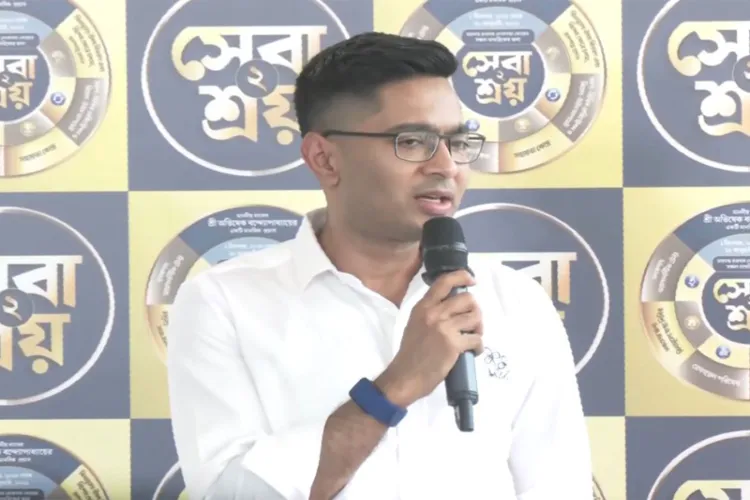
Trinamool Congress National General Secretary and MP Abhishek Banerjee on Monday welcomed the Supreme Court’s directions to the Election Commission of India (ECI) to make public the names of voters placed under the ‘logical discrepancies’ category during the ongoing Special Intensive Revision (SIR) of electoral rolls in West Bengal.
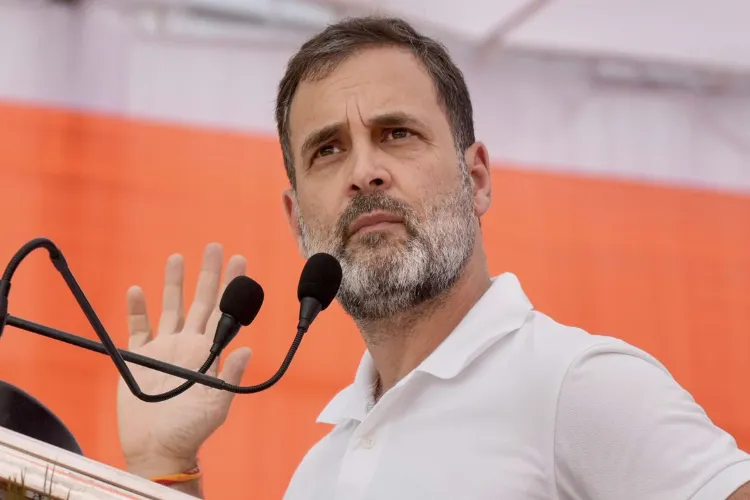
Addressing a public gathering in Barasat, Banerjee described the apex court’s order as a setback for the BJP, stating that the court had accepted the Trinamool Congress’ demand for transparency in the revision process by directing the publication of the disputed list.
Referring to the legal proceedings, the TMC leader said the party had approached the Supreme Court after alleging that ordinary voters were being harassed during the SIR exercise. He claimed the Election Commission had attempted to remove names from the rolls without adequate disclosure and asserted that the party had earlier urged the ECI to publish the list of voters flagged under logical discrepancies to ensure clarity.
Banerjee said the party had raised the issue during a meeting with the Chief Election Commissioner on December 31 and had insisted on the presence of its Booth Level Agent (BLA-2) during hearings, a request that was initially turned down by the ECI. He expressed satisfaction that the court’s directions would now allow greater participation and oversight in the process.
The TMC leader claimed that nearly one crore voter names that were allegedly at risk of deletion had been protected following judicial intervention, calling it a victory for the people of Bengal. He also expressed confidence that his party would emerge victorious in the 2026 West Bengal Assembly elections, asserting that voters in the state would respond politically to what he described as attempts to undermine democratic rights.
The controversy arose after the Electoral Roll Officers’ Network (ERONET) portal reportedly flagged over 1.2 crore entries under the ‘logical discrepancy’ category during the SIR exercise, triggering political protests and legal challenges.
Earlier in the day, a three-judge bench headed by Chief Justice of India Surya Kant issued a series of directions to the ECI while hearing petitions alleging procedural lapses in the revision of electoral rolls. The court ordered that the names of persons identified under the ‘logical discrepancies’ category be displayed at Gram Panchayat Bhavans, Block Offices and Ward Offices to ensure transparency.
The apex court also directed the state government to provide adequate manpower to the Election Commission and the State Election Commission to facilitate the submission and hearing of claims and objections. Voters affected by the exercise have been allowed to submit documents before authorised officials, with the court instructing that authority letters be issued for the purpose.
ALSO READ: India to construct a mega project for endangered one-horn Rhinoceros in Kanziranga
The deadline for filing claims and objections, including applications for inclusion, deletion and correction of entries, has been extended to January 19, while hearings will continue till February 7, 2026. The final electoral rolls for West Bengal are scheduled to be published on February 14, 2026.













_(1).webp)