New Delhi
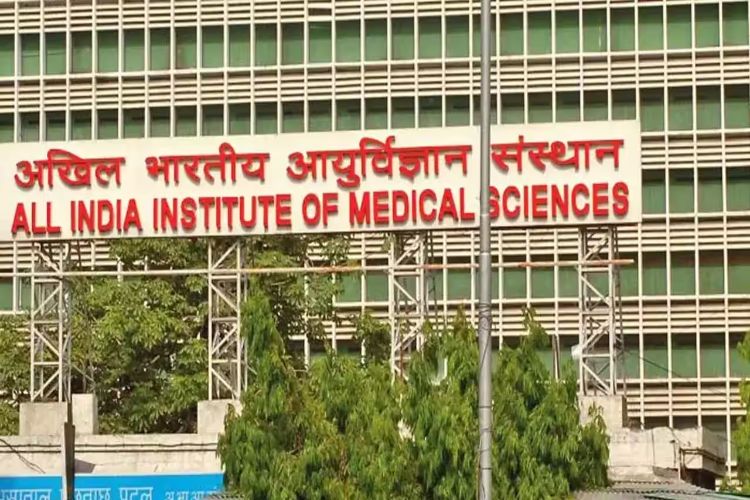
Highlighting the challenges faced during operating on a fetus who was suffering from a spinal defect, doctors of Delhi's All India Institute of Medical Sciences (AIIMS) highlighted how safely opening and closing the uterus of a pregnant woman was one of the biggest challenge faced during the surgery, while also ensuring that the unborn baby is properly placed for the procedure.
Doctors at Delhi's All India Institute of Medical Sciences (AIIMS) have performed India's first open foetal surgery in six hours to repair a spinal defect in an unborn baby, with a whole team of doctors doing close fetal monitoring, as the baby was rotated on its stomach while under anaesthesia.
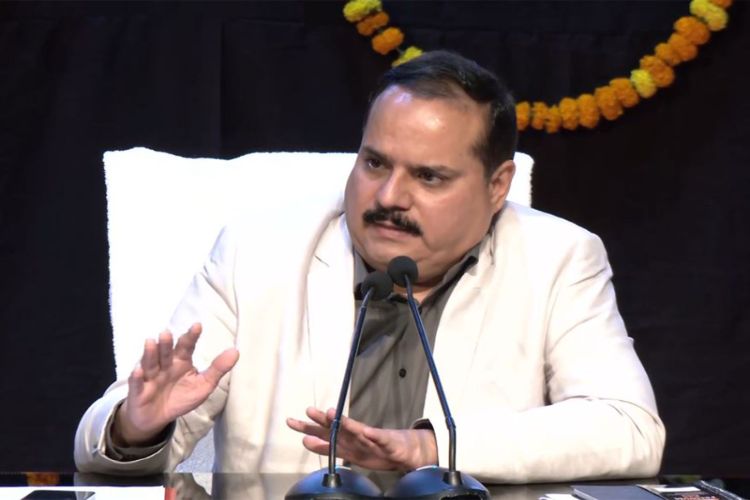
AIIMS Delhi Professor of Obstetrics and Gynaecology Dr K Aparna Sharma, speaking to ANI, said one of the biggest challenges was safely opening and closing the uterus, as the surgery was performed during an ongoing pregnancy.
"I would like to say that the biggest challenge of this surgery is to open the uterus safely, because it's an ongoing pregnancy... We had to carefully open it and carefully close it as well," Sharma said.
She said positioning the baby for the procedure was another major challenge, as the baby's back was initially facing down.
"After opening the uterus, bringing the baby to the right position was the second challenge... The baby had the back down, and we wanted the back to be up... We rotated the baby under anaesthesia so that the baby's lesion came up in the incision. The most important thing the entire team did was fetal monitoring. Very high-end ultrasound was continuously put on the heart of the baby to know that the baby is doing well," she said.
She added, "We prepared for five weeks and practised at least six times... We are hoping that we will continue the pregnancy to 32-34 weeks and then deliver the baby."
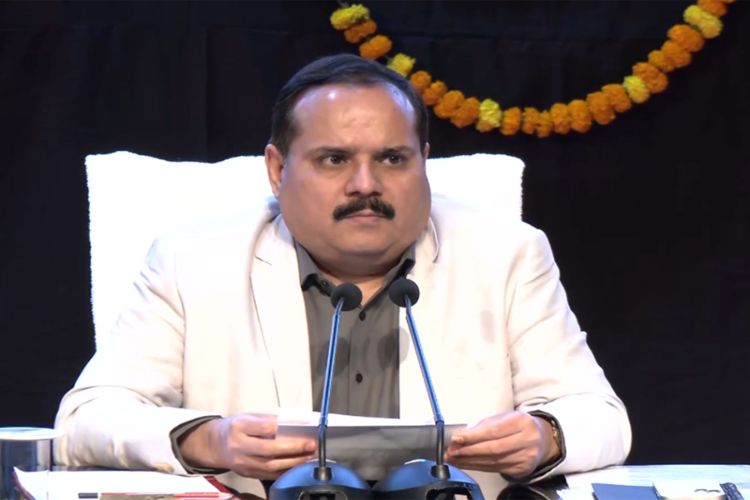
AIIMS Delhi Additional Professor of Plastic Surgery Dr Shashank Chauhan said three surgical teams and two main anaesthesia teams were involved in the procedure.
"There were three surgical teams that were involved in this procedure and two main anaesthesia teams... after the anaesthesia to the mother, the gynaecology and the obstetric team started the case, and they first opened the abdomen, then opened the uterus, and then made a small window of approximately 5-6 cm in the uterus," he said.
He said the limited opening allowed the surgeons to access the affected area, including the umbilical cord and placenta, inside the uterus.
"So only the back part was exposed through that incision, and the rest of the baby, the umbilical cord, the placenta were still inside the uterus. So we had only a six-centimetre window to operate. After that, the neurosurgery team, Professor Gupta and their team, first did the spinal cord release, and they repaired the neural tissue very meticulously, very delicately... So we used the pliability of the adjacent skin to rotate and transpose into the defect so that we get a good tension-free closure of the skin," Dr Chauhan said.
"And once we closed the skin defect, then after we said that there's no bleeding, then came again the next team, the gynaecology and obstetric team. They then gently placed the baby back inside the womb, filled it with saline, and then closed it further and then came out," he added.
AIIMS Delhi Assistant Professor in the Department of Plastic Surgery, Dr Nandini, explained that the surgical team created a small opening to access the baby's back.
"As rightly mentioned by Dr Shashank Chauhan, sir, it was almost a 6- to 8-centimetre window that was created. The back of the baby was brought up, and all the other structures were there inside throughout. They were never exposed. There was a plastic sheet which was covered over it to keep it warm and keep it sterile all the time. And fluid, which was equivalent to amniotic fluid, was actually instilled continuously, and it was also warm. So hypothermia was prevented throughout," she said.
READ MORE: Zakat is the Quranic commandment for social responsibility
Dr Nandini described the procedure as an important experience for the team and said, "It was an amazing experience to be part of this team and assist over there, and we're just waiting for everything to go well, and once the baby is out, then we'll be able to see what the best results the whole team has done."