New Delhi
The Ministry of External Affairs (MEA) on Monday said that all Indian nationals in Israel are currently safe, even as the ongoing West Asia conflict continues to impact Indian citizens across the region.
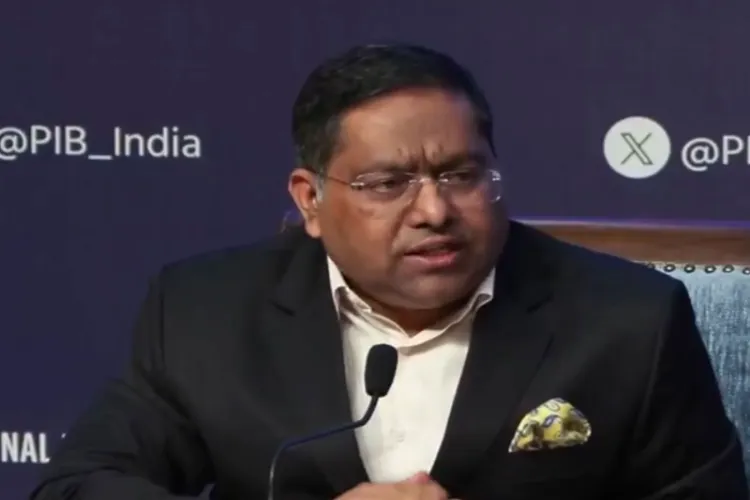
Addressing a briefing, MEA spokesperson Randhir Jaiswal confirmed that an Indian earlier reported injured in Israel is now safe and under monitoring by the embassy.
However, he also shared that the conflict has taken a toll on Indian nationals elsewhere, stating that six Indian citizens have died, one is injured, and one remains missing.
Fatalities across the region
The casualties have occurred across multiple countries, reflecting the widening geographical impact of the conflict. The latest fatality was reported in Riyadh, where an Indian national died during missile and drone strikes on March 18.
This follows:
Officials, including Aseem Mahajan, said efforts are underway to repatriate mortal remains and support affected families.
Injuries and maritime risks
Beyond fatalities, several Indians—including workers and seafarers—have been injured in incidents reported from United Arab Emirates, Oman, and Iraq.
In one such case, 15 Indian crew members aboard the oil tanker Safesea Vishnu, targeted near Basra, are now being brought back to India. Efforts are also ongoing to return the body of a deceased crew member from the vessel.
Large-scale evacuations
With nearly 10 million Indians living across West Asia, the government has intensified evacuation and assistance efforts.
Around 300,000 Indians have already returned to India since the conflict began on February 28
At least 913 Indians have crossed from Iran into Armenia and Azerbaijan, with many continuing onward journeys home
Ongoing efforts
The MEA emphasised that Indian missions across the region remain in constant contact with local authorities to ensure the safety, evacuation, and repatriation of citizens.
READ MORE: Sarah Rizvi: The first Muslim woman IPS officer of Gujarat cadre
As the conflict continues to escalate, India’s priority remains safeguarding its diaspora while coordinating diplomatic channels to manage the humanitarian fallout.











.webp "MEA spokesperson Randhir Jaiswal")