New Delhi
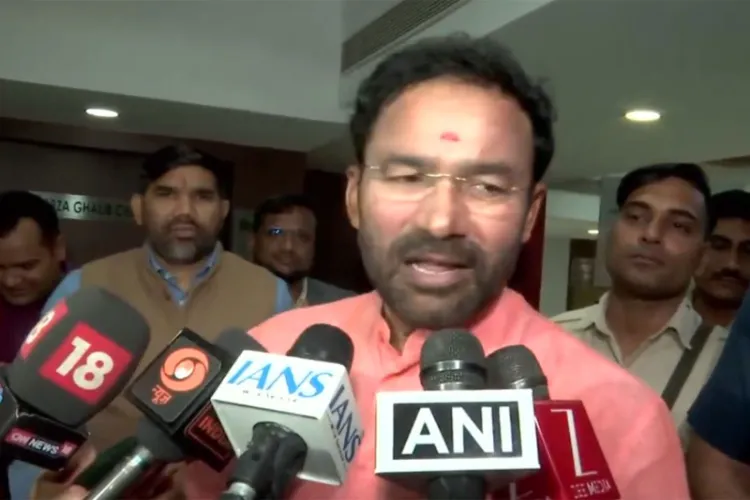
Union Coal and Mines Minister G. Kishan Reddy on Monday highlighted India’s record coal production of one billion tonnes for the second consecutive year, calling it a major achievement for the country’s energy sector.
Speaking to reporters, Reddy described the milestone as a “success story,” noting that production has reached such high levels that storage capacity has become a constraint, forcing authorities to temporarily halt output at some locations.
“We have produced so much coal that we don’t even have space to stock it… Our coal production even exceeds the country’s demand,” he said.
No plan to increase coal prices
Reddy clarified that the government has not taken any decision to hike coal prices, stressing that prices should remain stable. He added that state governments and district administrations must intervene if any local price increases are reported.
Energy security amid global crisis
The remarks come against the backdrop of the ongoing West Asia conflict, which has disrupted global energy supplies—especially through the Strait of Hormuz.
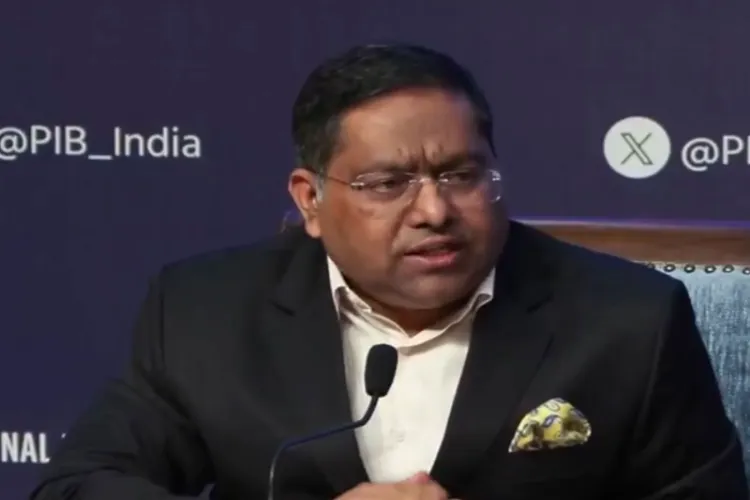
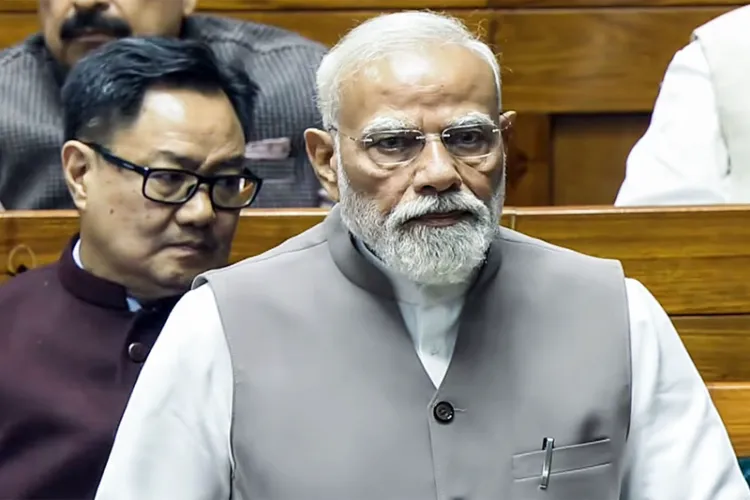
Earlier, Prime Minister Narendra Modi assured Parliament that India has adequate coal stocks at power plants to meet rising electricity demand during the summer season.
He also underlined that the government is taking steps to shield farmers and consumers from global shocks:
Adequate fertiliser arrangements have been made despite import concerns
India has sufficient food grain reserves
Expansion of urea production capacity over the past decade
Push for alternative energy measures
To reduce dependence on imports, the government has accelerated several initiatives:
Ethanol blending is saving about 4.5 crore barrels of oil annually
Railway electrification has reduced diesel demand significantly
Expansion of the metro rail network has cut fuel consumption in urban transport
These measures are part of a broader strategy to cushion India from volatility caused by disruptions in West Asia and ensure long-term energy self-reliance.
Fertiliser supply concerns
The conflict has also impacted fertiliser supply chains. Companies like QatarEnergy have curtailed production of downstream products, including urea, raising concerns for agriculture-dependent economies like India.
READ MORE: Sarah Rizvi: The first Muslim woman IPS officer of Gujarat cadre
Despite these challenges, the government maintains that proactive planning and domestic capacity expansion will help maintain stability in both energy and agricultural sectors.











.webp "MEA spokesperson Randhir Jaiswal")