Tel Aviv
The Israeli Defence Forces (IDF) on Tuesday said it carried out more than 50 overnight strikes targeting facilities linked to Iran’s Islamic Revolutionary Guard Corps (IRGC), including command centres, weapons depots and air defence systems.
In a post on X, the IDF stated that since the launch of “Operation Roaring Lion,” it has conducted over 3,000 strikes across Iran. It added that the latest wave of attacks also hit ballistic missile storage and launch sites.
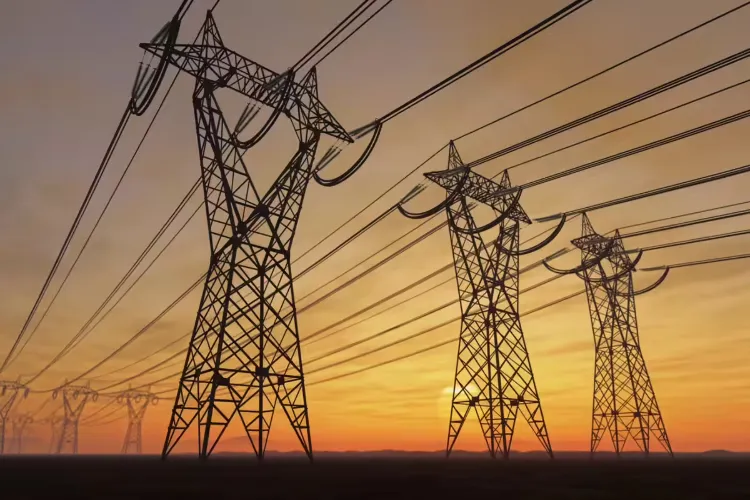
Amid the escalating conflict, reports indicated that explosions were heard in Baghdad, while a US airstrike on a Popular Mobilisation Forces (PMF) base in Iraq reportedly left 14 people dead. Iranian media also claimed that parts of the country’s energy infrastructure were targeted, while Bahrain reported a fire at a facility, attributing it to what it described as Iranian aggression.
Meanwhile, in Israel, six people sustained minor injuries after an Iranian missile struck central Tel Aviv. According to local media reports citing police sources, the munition carried around 100 kilograms of explosives, damaging several buildings and vehicles. Missile debris was also reported in Rosh Ha’ayin, located east of Tel Aviv.
In Iran, state media reported that Imam Ali Hospital in Andimeshk had been evacuated and taken out of service following alleged strikes by US and Israeli forces.
Further intensifying tensions, an Israeli strike reportedly hit a petrol station in southern Lebanon, triggering a massive explosion and fire. Residents in the area were also issued evacuation warnings by the Israeli military.
At the diplomatic level, reports citing Israeli media suggested that Iran’s Supreme Leader, Mojtaba Khamenei, may be open to negotiations with the United States. The report referred to a conversation between Iranian Foreign Minister Abbas Araghchi and US intermediary Steve Witkoff, said to have been approved at the highest level in Iran.
READ MORE: AdvocateTuba Snowbar is unapologetic, unstoppable
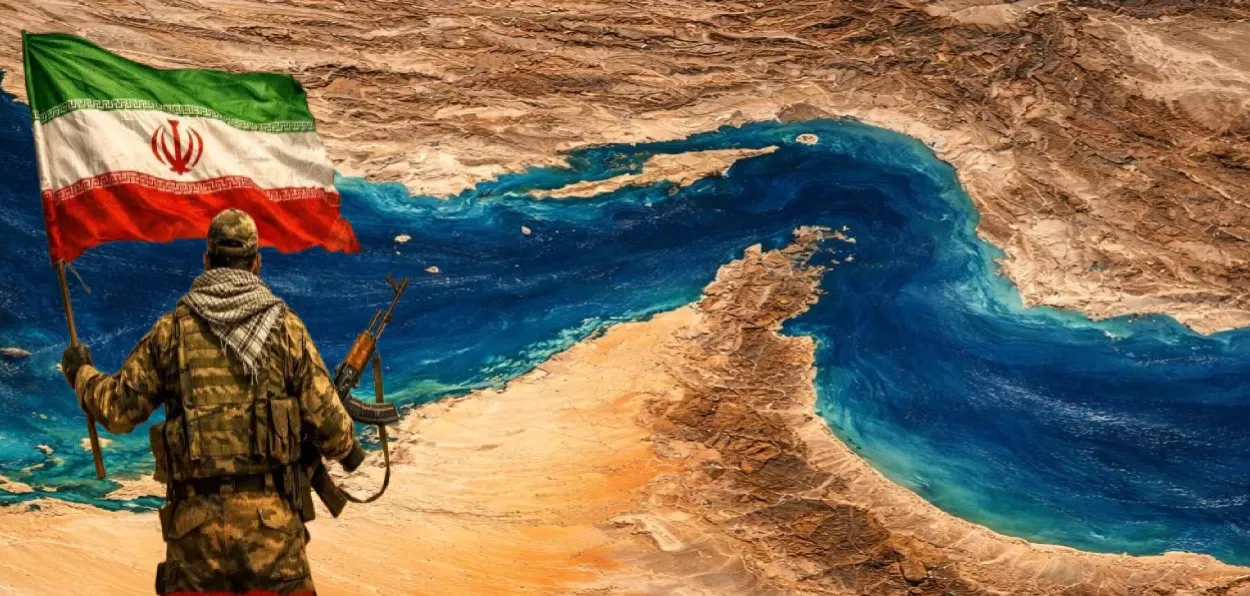
The conflict between the US, Israel and Iran has now entered its fourth week, raising concerns about its wider impact on global energy markets due to disrupted supply chains and damage to critical infrastructure.









.webp "Minister of State Jitendra Singh speaks in the Lok Sabha during the second part of the Budget session of Parliament")