New Delhi
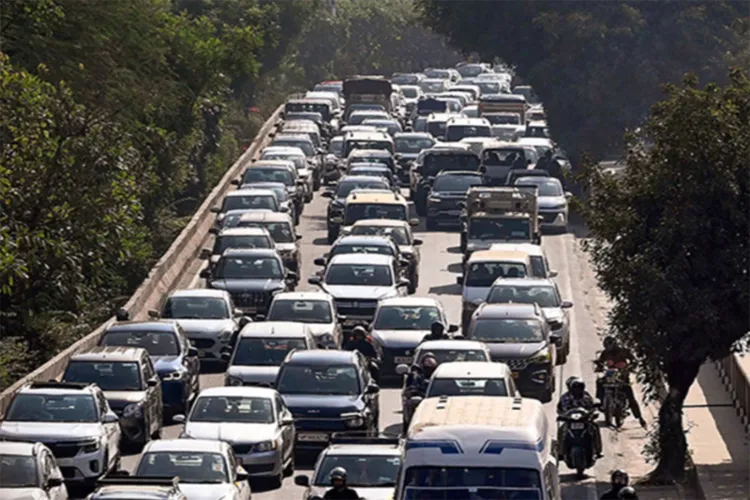
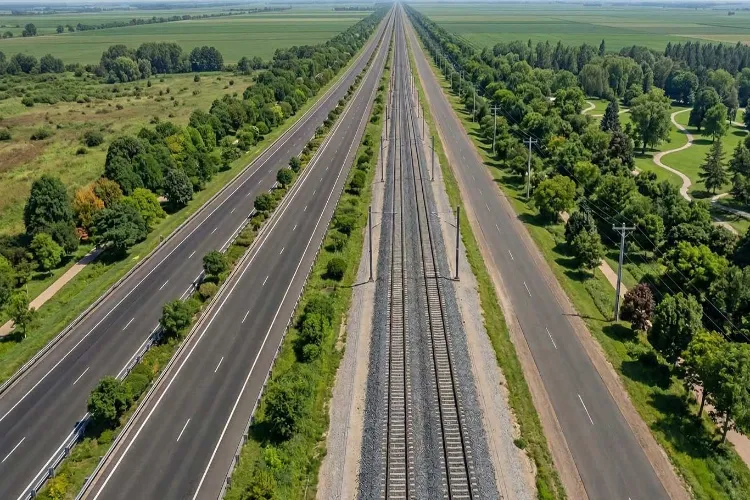
In a major initiative aimed at tackling air pollution and encouraging cleaner transportation, the Union Cabinet on Wednesday approved a vehicle replacement scheme for older trucks and buses operating in the Delhi-NCR region.
The programme is designed to encourage owners of commercial vehicles complying with Bharat Stage-IV (BS-IV) or older emission standards to replace them with cleaner BS-VI-compliant vehicles or electric vehicles (EVs).
Approved by the Cabinet chaired by Prime Minister Narendra Modi, the scheme is expected to cover nearly 2.07 lakh commercial vehicles, including around 1.91 lakh trucks and more than 16,000 buses registered across Delhi, Haryana, Rajasthan and Uttar Pradesh.
Under the plan, vehicle owners will receive several incentives, including an interest subsidy of 5 per cent on loans for up to five years. Additional benefits include monthly fuel vouchers valued at up to Rs 4,800 depending on vehicle type, as well as one-time incentives linked to electric vehicle purchases or participation in certificate-of-deposit trading mechanisms.
The total cost of the scheme has been estimated at Rs 9,585 crore. Of this, the central government will contribute Rs 5,041 crore, while participating states are expected to provide tax-related concessions worth approximately Rs 1,601 crore.
The initiative will be financed through the National Capital Region Planning Board (NCRPB) under the Ministry of Housing and Urban Affairs and implemented jointly by the Ministry of Road Transport and Highways and the Ministry of Petroleum and Natural Gas, in coordination with state governments and the Delhi administration.
As part of the eligibility criteria, vehicles meeting BS-III standards or older must be scrapped through authorised vehicle scrapping centres. Owners of BS-IV vehicles will have the option of scrapping them or selling them outside the NCR to locations that are not covered under the National Clean Air Programme (NCAP).
To qualify for benefits, owners must subsequently purchase and register a BS-VI-compliant or electric vehicle within the NCR region.
The policy includes specific provisions for Delhi. Light commercial goods vehicles acquired under the scheme must be electric, while buses will be restricted to BS-VI CNG or electric models. Government-owned vehicles are not eligible for participation.
Participating state governments have agreed to waive registration charges and provide motor vehicle tax concessions for up to ten years. New vehicles may receive tax exemptions of up to 100 per cent, while used vehicles could qualify for concessions of up to 50 per cent. States will also waive outstanding liabilities on old vehicles that are surrendered under the scheme.
Automobile manufacturers participating in the programme will offer discounts of 8 per cent on the ex-showroom price of eligible vehicles.
The entire process will be managed through a digital platform that will facilitate eligibility verification, processing of interest subsidies, distribution of fuel vouchers and monitoring of environmental outcomes.
According to the government, benefits from the central component of the scheme will remain available for five years after the registration of the replacement vehicle, ensuring long-term support beyond the initial enrolment period.
An Empowered Committee headed by the Cabinet Secretary will oversee implementation, while district-level monitoring will be carried out by district collectors and magistrates.
READ MORE: Chabina Hassan's work helped in securing World Heritage status for the Charaideo Maidam
The government believes the initiative will accelerate the shift toward cleaner transport technologies, reduce vehicular emissions and contribute significantly to improving air quality across the Delhi-NCR region, which continues to face serious pollution challenges, especially during winter months.










.webp "Senior Congress leader G Parameshwara")

.webp)