Jammu
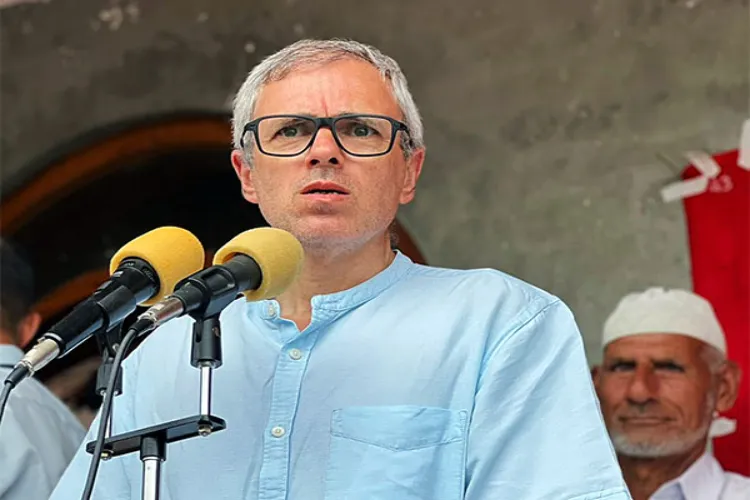
At the inauguration of the Vande Bharat train service linking Jammu and Srinagar, Jammu and Kashmir Chief Minister Omar Abdullah expressed gratitude to the Centre and Railway Minister Ashwini Vaishnaw for improving rail connectivity, while also pitching for the establishment of a dry (inland) port in the Union Territory to strengthen trade.
Addressing the gathering at Jammu railway station, Abdullah said the new rail link marks a significant step in connecting the two regions and thanked the central government for making it possible. He underlined that beyond passenger convenience, the railway line is already benefiting commerce by enabling the movement of goods such as cement, automobiles, and agricultural produce.
He noted with surprise that vehicles, including cars, are now being transported to Srinagar by train, while fruits from Kashmir are being shipped out using the same network—developments he described as encouraging signs for local businesses.
The chief minister urged Vaishnaw to use his influence to advocate for a dry port in Jammu and Kashmir, even though the matter does not fall directly under his ministry. He explained that such a facility would allow exporters in the region to complete customs procedures locally, instead of depending on clearance in other cities, thereby reducing delays and costs.
Abdullah added that he would personally take up the proposal with the central government but also called on Union Minister Jitendra Singh and other Members of Parliament present at the event to support the demand. He emphasised that establishing an inland port would provide a major boost to trade and economic activity in the region.
Reflecting on the new rail connectivity, Abdullah said residents had long awaited the ability to travel directly between Jammu and Srinagar by train, without needing to rely on road journeys via Katra. He described the development as a long-cherished milestone.
READ MORE: RJ Saima's Purani Jeans revived love of golden era music among youth
He also remarked on the growing popularity of the service, noting that demand had exceeded expectations. The train’s capacity has since been increased from eight to 20 coaches, raising the number of passengers it can carry from around 500 to approximately 1,400, which he termed a significant advancement for the region’s transportation network.












.webp)