




New Delhi
The Congress on Tuesday criticised the Union government over ongoing protests in Odisha's Koraput district against a proposed bauxite mining project, alleging violations of tribal and forest rights during the clearance process.
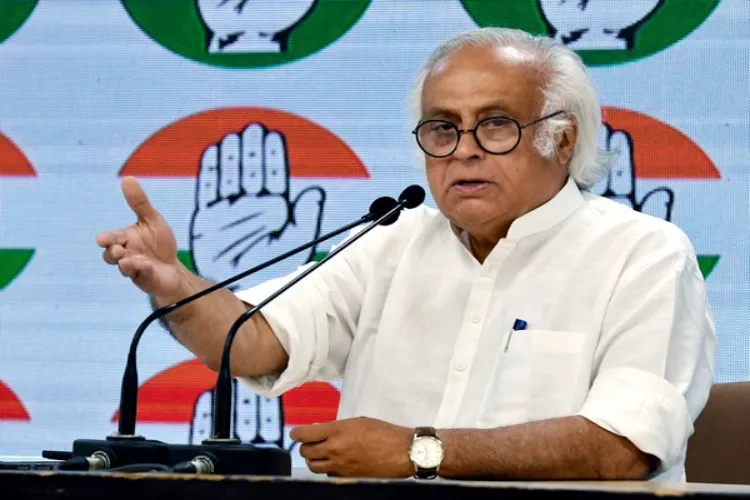
Congress general secretary Jairam Ramesh said villagers in Koraput were protesting what they described as attempts to "bulldoze clearances" for bauxite mining by allegedly violating provisions of the Forest Rights Act, 2006.
According to Ramesh, villagers have accused Kalinga Alumina Limited of illegally diverting around 400 acres of forest land over which local communities claim traditional and spiritual rights protected under the law.
He further alleged that villagers had raised concerns about collusion between company officials and district authorities in securing gram sabha approvals through fraudulent means. Ramesh claimed similar allegations have surfaced against mining-related activities in Odisha's Kalahandi and Rayagada districts.
In a sharp political attack, the Congress leader urged Union Tribal Affairs Minister Jual Oram to take note of the repeated protests.
"The Union Minister of Tribal Affairs is responsible for implementing the Forest Rights Act in both letter and spirit. Being from Odisha himself, he should be concerned about why such protests are taking place across different parts of the state," Ramesh said.
The controversy follows media reports quoting villagers in Koraput district who alleged that gram sabha meetings approving bauxite mining on Balda Hill in the Nageswari forest reserve were conducted improperly and that some approval documents contained forged signatures.
The Forest Rights Act, 2006, grants certain rights to forest-dwelling tribal communities and requires consultation and approval processes involving local gram sabhas before specific projects affecting forest land can proceed.
READ MORE: Dr Adeela Abdulla IAS: The officer behind systems that touch everyday lives
The allegations made by the Congress and protesting villagers have not been adjudicated by a court, and responses from the company and relevant authorities were not part of the statement.



















.webp)