New Delhi
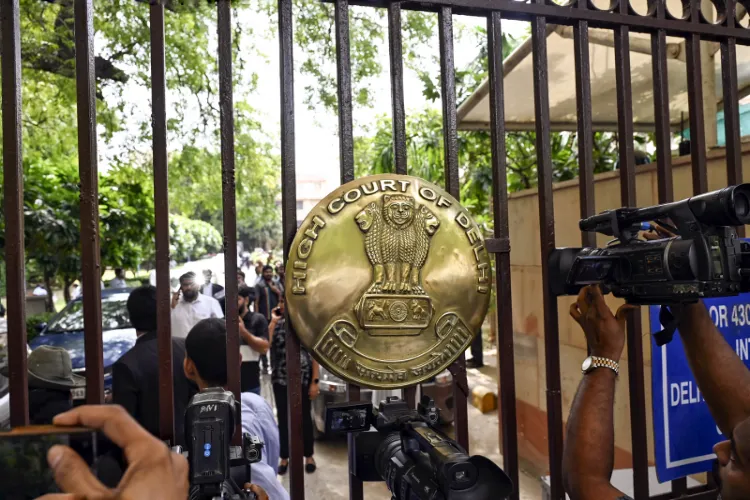
The Delhi High Court has dismissed an appeal by Japan-based Hirotsu Bio Science Inc., affirming the rejection of its patent application for a cancer detection technique that uses nematodes, holding that the method amounts to a non-patentable diagnostic process under Indian law.
In a judgment pronounced on January 17, 2026, Justice Tejas Karia upheld the decision of the Assistant Controller of Patents and Designs, who had declined to grant a patent for the invention titled “Cancer Detection Method Using Sense of Smell of Nematode.”
After reviewing the complete specification and claims, the Court noted that the proposed invention seeks to identify cancer by examining the chemotactic behaviour of nematodes when exposed to biological samples such as urine, cells or tissue. The specification claimed a very high degree of accuracy, including the ability to detect cancer at early stages, and repeatedly characterised the invention as a system for cancer diagnosis.
The Court rejected the appellant’s submission that the method involved only laboratory-based detection and not diagnosis. It held that Section 3(i) of the Patents Act, 1970, does not draw any distinction between diagnostic methods performed in vivo and those carried out in vitro. Any process that can determine the presence or absence of a disease, even if additional confirmatory steps are required, would fall within the exclusion, the Court observed.
Hirotsu Bio Science argued that its technique merely indicated cancer risk and did not involve medical judgment or clinical decision-making. The Court, however, found that the method incorporated all core components of a diagnostic process, including collecting data, comparing it with established standards and arriving at conclusions that indicate the existence of disease.
The judgment also made it clear that describing the invention as a “screening” tool or as providing “supporting information” could not change its essential nature, particularly when the specification itself projected the method as highly accurate and suitable for clinical cancer diagnosis.
Emphasising the importance of reading claims alongside the complete specification, the Court held that claims cannot be construed in a manner inconsistent with the detailed disclosure. Relying on earlier judicial precedents, it said that the embodiments described in the specification must be examined to determine whether an invention is intrinsically diagnostic.
The Court further dismissed the argument that the diagnostic exclusion should apply only to methods carried out by medical professionals. It observed that the objective of Section 3(i) is to prevent exclusive rights over diagnostic processes, regardless of who performs them.
ALSO READ: India to construct a mega project for endangered one-horn Rhinoceros in Kanziranga
By upholding the Controller’s order dated August 29, 2023, the High Court concluded that the claimed invention squarely falls within the category of non-patentable diagnostic methods under the Patents Act, and accordingly dismissed the appeal.


















_(1).webp)