




New Delhi
Two real-life instances from inside the Covid-19 wards where critical patients are undergoing treatment and have gone viral on social media have given us a peep into the lives of doctors inside and how they are trying to make the last moment of the dying memorable and soothing.
A video from a private hospital in Kolkata showing a son sing to his mother as she breathes her last and the instinctive gesture of a young Hindu doctor in a Kerala hospital to recite kalma, the most important Islamic prayer to a Muslim patient to calm her in her last moments are going viral on social media.
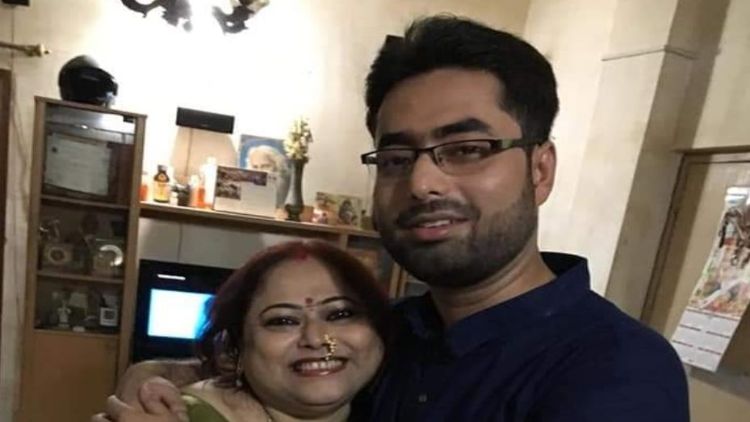
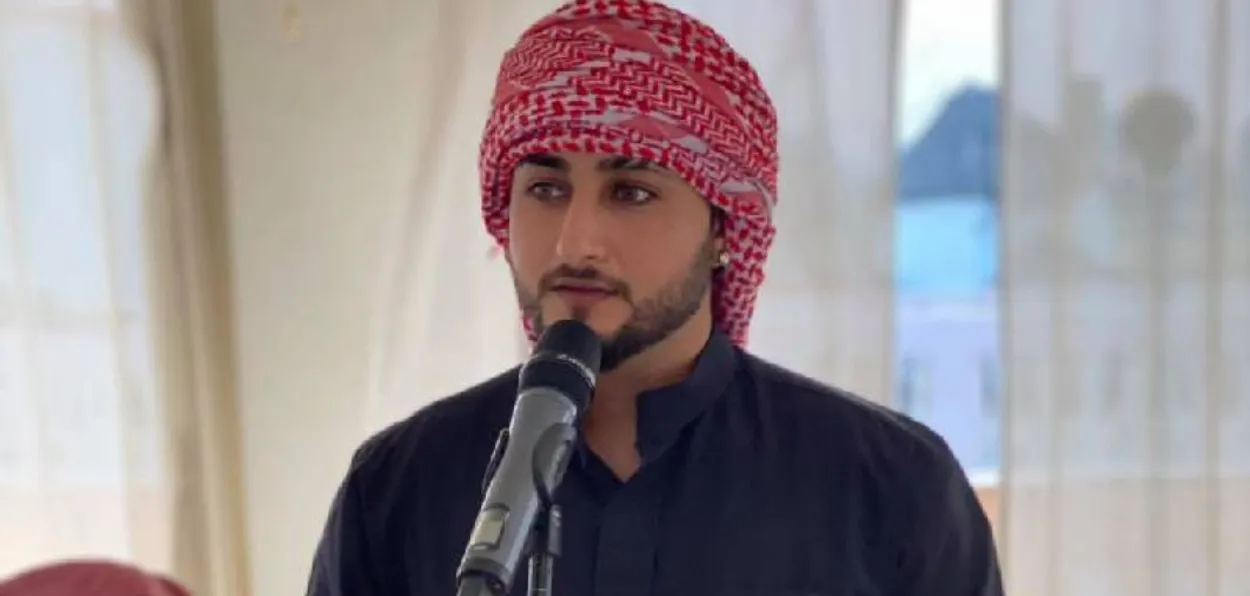
In a private hospital in Kolkata, the 24-year-old Soham Chatterjee was contacted by the a doctor who could make out that his mother Sanghamitra Chatterjee was going to lose her battle with the virus on a video call. He sang their favourite duet Mera Mujhe Hai Pehle ka Nata Koi to her on the phone.
Soham sang the soulful umber to his mother and all those struggling against the invasion of the virus on their bodies in the ward. The clips of the song and Soham’s pictures with his mother have become the top story on social media.
A melancholic silence fell in the ward; nurses and doctors stood still for some time as Soham’s song echoed; his voice full of pathos and emotions yet he finished it while his mother breathed her last. The nurses wiped their tears and moved slowly to other patients.
Soham is a content writer by profession, who recently returned to Bangalore from Kolkata.After his mother’s death he said, "Music is something that I can connect with my mother. With this, we used to express our feelings towards each other. This song is ours and will always be ours." Mother knew this. Mother, I love you very much. It is really difficult to be alive without you. "
Soham says that this song describes his relationship with his mother. Music has always been a trend in his family.
He said in social functions and parties people used to insist that the mother-son sing as a duet.
Soham, who wanted to become a singer, was asked what inspired him to sing, in response, the young man said, "It happened all of a sudden. I never thought that this would inspire so many people." I did all this in despair.
Soham finally said, "Mother's departure is an irreparable loss for me. This incident has taught me that we need to express our feelings. I want to create a page on Facebook and Instagram where people like this You can express your feelings by recording a song. People will be able to tell their stories here and they will be released after checking. This will remove the burden of emotions from the hearts of people to some extent.
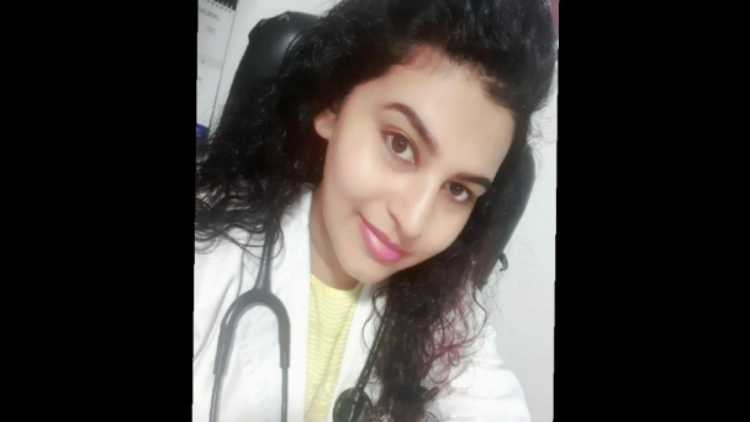
Dr Rekha Krishnan
In Kozhikode, Kerala, a young doctor Dr Rekha Krihsnan recited kalma, the most fundamental and key prayer, for Muslims, to a dying woman in the Covid-19 ward.
“ I could sense she was having some problems in leaving the earthly abode. Then, I slowly recited Kalima (La Ilaha Illalla, Muhammadur Rasululla) in her ears. I could see her taking a few deep breaths and then she flatlined,” said Dr Rekha.
As she shared the story with fellow doctors, they wrote about it on social media and it went viral bringing accolades and admiration to Dr Rekha.
She said her act was not pre-planned; it happened instinctively “My act was not planned. It happened at the spur of the moment. I was born and brought up in Dubai and I knew the customs and practices followed by Muslims,” she said.
The doctor said she only returned the respect and consideration she got in the Gulf where she was never discriminated against for her religion.
“I was brought up in a surrounding where every faith is respected,” Dr Rekha said.
“I don’t think mine is a religious gesture; it is a humane act. A major problem with Covid-19 patients are that they feel lonely and isolated. Health workers are the single point of contact for them without their family around and we should do all we can to help the patients,” she said.
“The news is heartening, especially at a time when people are beaten to death because of their religion. The doctor has set a new example for the country,” wrote Sunni scholar Abdul Hameed Faizi Ambalakkadavu.









.webp)

.webp)
_(1).webp)