Indore
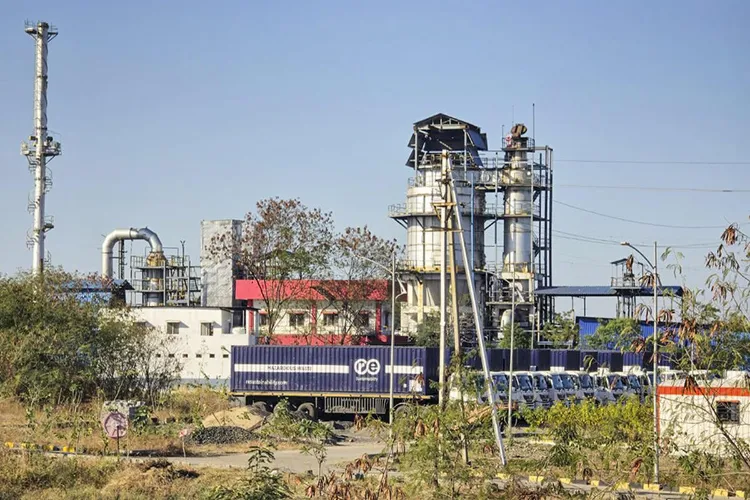
Nearly five months after the hazardous waste linked to the 1984 Bhopal gas disaster was burnt at a Pithampur-based disposal facility, around 900 tonnes of ash generated during the process is yet to be permanently disposed of.
The burning of the entire 358 tonnes of legacy material — comprising 337 tonnes of toxic waste, 19 tonnes of contaminated soil and 2.2 tonnes of packaging — was completed in early July, more than six months after it was transported from the Union Carbide plant in Bhopal to Pithampur. According to officials, the incineration was done scientifically by mixing lime and other compounds, resulting in nearly 900 tonnes of ash.
Initially, the state government intended to bury the ashes in a landfill cell being built inside the premises of the Pithampur incineration facility, located near Tarpura village in Dhar district. But that plan stalled when the Madhya Pradesh High Court, about two months ago, ordered that the state identify an alternative site, ruling that disposing of the waste near human settlements was “unacceptable.”
Officials say the ash is currently stored securely in a leak-proof shed on the plant premises.
The Union Carbide gas leak on the night of December 2–3, 1984 — which released methyl isocyanate gas — killed at least 5,479 people and left thousands with lifelong health complications, making it one of the world’s deadliest industrial tragedies.
The high court’s Jabalpur bench, in its October 8 order, cited an intervener application that indicated mercury content in the ash exceeded safe limits based on an August 12 Pollution Control Board report. The court asked the state government to shortlist alternative locations and clarify whether a global tender was issued for expert agencies capable of handling toxic chemical waste disposal.
Given that the case is sub judice, officials declined to discuss the disposal plan publicly. However, a senior official told PTI on condition of anonymity that the tender awarded to a private firm explicitly included burying the ash in a specially built landfill cell at Pithampur — and that the cell is close to completion, with required safety protocols in place.
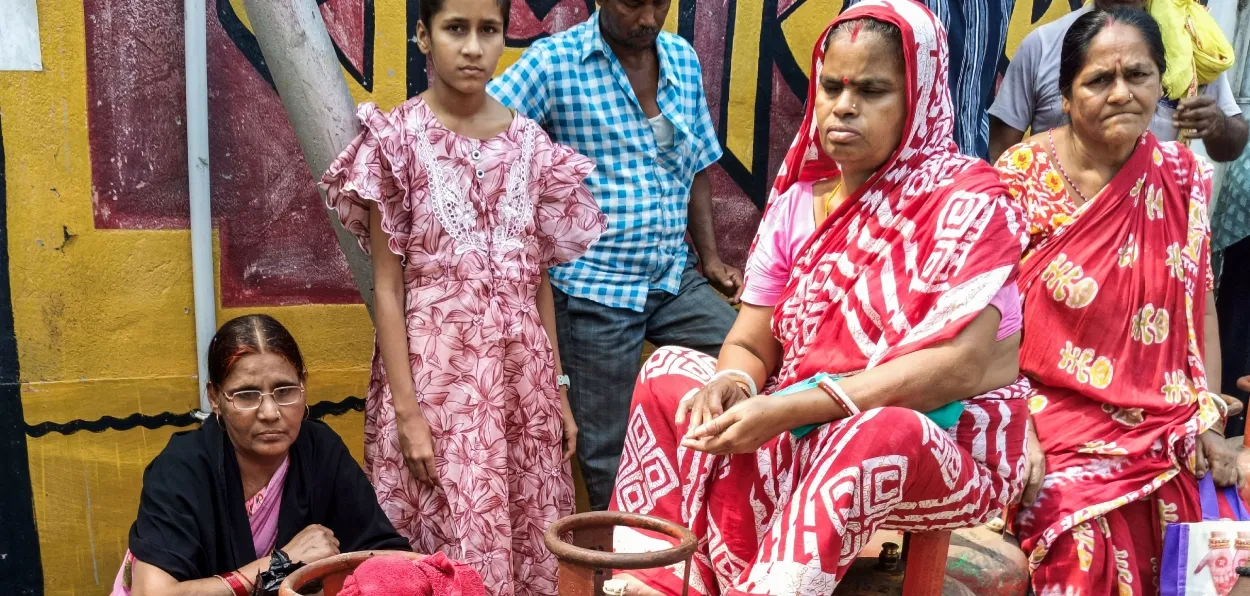
Pithampur, about 30 km from Indore, is one of Madhya Pradesh’s major industrial hubs with around 1,250 units employing several thousand workers. Social groups there continue to oppose the burial plan due to the proximity of residential settlements.
Hemant Kumar Hirole, who leads the local group ‘Pithampur Bachao Samiti’, said disposing of the ash near populated areas poses a grave risk. “In case of any technical failure in the landfill, it may severely impact both human health and the environment,” he said. Hirole’s petition is among five currently being heard by the high court.
He added that residents are still unaware whether the government has identified any new disposal site and urged officials to clarify the status urgently.
Attempts to dispose of the toxic Union Carbide waste over the past four decades — at facilities both within India and abroad — repeatedly collapsed amid protests and legal disputes. The matter finally saw progress this year when the waste was incinerated by a private operator in Pithampur.
The State Pollution Control Board has maintained that emission levels of particulate matter, toxic gases and heavy metals — including mercury and cadmium — remained within permissible limits during the incineration process. It has also stated that no adverse health effects were reported among plant workers or surrounding residents.
ALSO READ: Moulana Dr Mohamed Imran Rashadi: Peacebuilder of Bengaluru
The hazardous waste was transported from Bhopal to Pithampur on January 2 this year, which triggered demonstrations in the region by locals concerned about long-term environmental risk. The state government, however, rejected claims that the waste posed any threat.

















_(1).webp)