.webp "Congress president Mallikarjun Kharge")
New Delhi
Congress president Mallikarjun Kharge on Wednesday launched a blistering attack on the Prime Minister Narendra Modi government, accusing it of "wrecking the country's strategic and economic policies" and transferring the burden of global fuel volatility onto ordinary Indians.
In a post on X, Kharge said the latest hikes in commercial fuel prices and cost increases across essential sectors would squeeze 1.4 billion citizens.
मोदी सरकार ने देश की सामरिक और आर्थिक नीति तहस-नहस कर दिया है, जिसका सीधा ख़ामियाज़ा 140 करोड़ भारतीयों को उठाना पड़ रहा है।
— Mallikarjun Kharge (@kharge) April 1, 2026
आज से रोजमर्रा की कई ज़रूरी चीज़ों के दाम बढ़ेंगे।
1️⃣ Commercial LPG Cylinder के दाम आसमान पर, ज़मीन पर भारी क़िल्लत
ढाबे की चाय से लेकर,
Mid-Day… pic.twitter.com/zrzWvcfVPJ
"The Modi government has completely wrecked the country's strategic and economic policies, and the direct consequences are being borne by 1.4 billion Indians. From today, the prices of many everyday essential items will rise," the post read.
Kharge highlighted that commercial LPG cylinder prices have surged, aviation turbine fuel has become costlier, and even everyday goods like slippers and Mid-Day Meals are under pressure.
"Commercial LPG Cylinder prices skyrocketing, heavy burden on the ground From roadside tea stalls to a bad impact on Mid-Day Meals Air Turbine Fuel gets costlier From cheap slippers to air travel turned pie-in-the-sky The government has also lifted the Price Cap," he wrote.
He also pointed to rising prices of more than 900 essential medicines and surging toll taxes and postal charges, calling it "highway robbery".
"900+ essential medicines get pricier Treatment costs rise further, Coronary Stent prices go up Have to pay even more Toll Tax Highway Robbery continues, 34% hike on Speed Post too Heavy impact on plastic goods, steel, ceramics--all of it Farmers' PVC Pipes get costlier, Bitumen prices up by 50%, Construction sector under massive pressure," the post added.
Further attacking the BJP government at the time of the West Asia crisis, Kharge wrote, "While the country's common people, our farmers and laborers, and MSME industries remain trapped in hopes of relief, the BJP leadership is completely focused on fleecing the public and looting them in times of crisis!!"
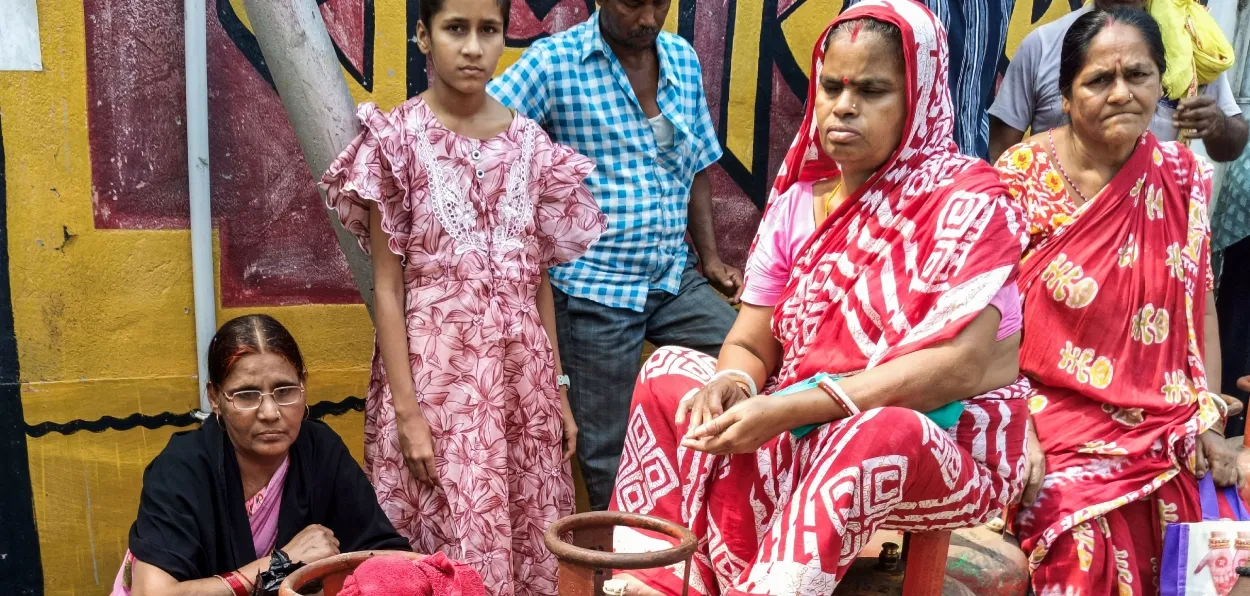
The remarks comes after the prices of LPG cylinders have been revised upward with effect from April 1, with commercial and smaller cylinders witnessing a significant increase across key cities.
In Delhi, the price of a 19 kg commercial LPG cylinder has been increased to Rs 2,078.50, marking a rise of Rs 195.50. Meanwhile, the 5 kg FTL cylinder is now priced at Rs 549 per refill, reflecting an increase of Rs 51, sources said.
In Kolkata, the price of a 19 kg commercial LPG cylinder has gone up by Rs 218, indicating a broader trend of rising fuel costs across urban centres.
Meanwhile, domestic cooking gas LPG rates, which were last hiked by Rs 60 per 14.2-kg cylinder on March 7, remain unchanged. It costs Rs 913 per 14.2-kg cylinder in Delhi.
The latest revision comes against the backdrop of escalating geopolitical tensions in West Asia, involving the United States, Israel and Iran, which has led to a blockade of the Strait of Hormuz, a key global transit route for crude oil and energy supplies.
However, the Ministry of Petroleum and Natural Gas clarified that domestic consumers remained insulated from fuel shocks that have rocked global markets amid geopolitical tensions such as the closure of the Strait of Hormuz. The ministry explained that prices of commercial LPG -- mainly used by industries and hotels and accounting for less than 10 % of total LPG use -- are deregulated and revised monthly based on market conditions. It noted that domestic 14.2-kg LPG cylinder prices have been kept unchanged at Rs 913, with beneficiaries under the Pradhan Mantri Ujjwala Yojana continuing to pay a subsidised Rs 613.
The ministry attributed the commercial cylinder hike to a roughly 44 % increase in the Saudi contract price, as significant portions of global supply remain disrupted. It said state-run oil companies are absorbing under-recoveries on domestic cylinders, which it claimed remains among the lowest in the region compared with neighbours such as Pakistan, Nepal and Sri Lanka.
READ MORE: Aneesa Sayyad: The ‘Golden Girl’ of Indian shooting
Meanwhile, the Ministry of Petroleum and Natural Gas stated that ATF prices in India, deregulated since 2001, are revised monthly based on international benchmarks. The extraordinary global energy situation, triggered by the closure of the Strait of Hormuz, had initially suggested a more than 100 per cent spike in domestic ATF rates. In order to insulate domestic travel costs, PSU Oil Marketing Companies, in consultation with the Ministry of Civil Aviation, implemented only a partial and staggered increase of of 25% (only Rs15/litre) to the airlinesHowever, the government clarified that international flight operations will not receive similar relief.
"Foreign routes will pay for the full increase in ATF prices consistent with what they pay in other parts of the world," the Ministry's X post read.











.webp "BJP National President Nitin Nabin")

_(1).webp)



.webp)