Leh (Ladakh)
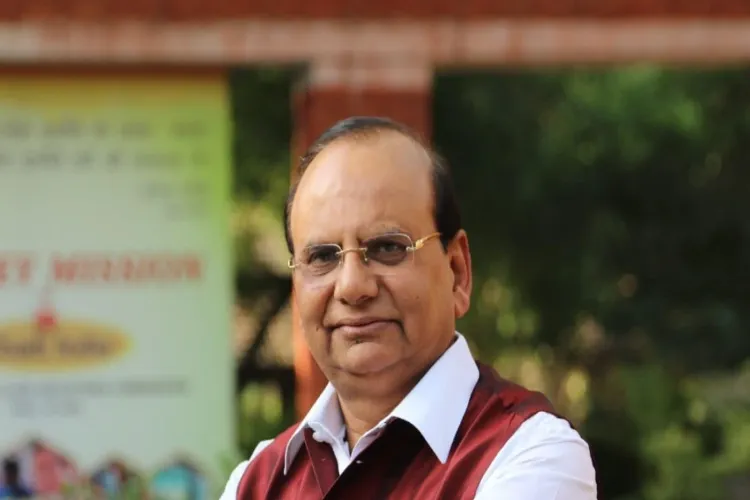
In a major step towards promoting ease of doing business and boosting the tourism sector in Ladakh, Lieutenant Governor Vinai Kumar Saxena has approved some landmark reforms that would deregulate the tourism industry and enhance the overall experience of the tourists visiting Ladakh.
The reforms have been undertaken with the objective of reducing compliance burden on stakeholders and creating a unified, streamlined, and citizen-friendly registration mechanism for tourism units in the Union Territory, according to a release.
The initiative follows a series of meetings held by the Lieutenant Governor with tourism stakeholders and delegations representing various tourism associations. It is also aligned with the vision of Prime Minister Narendra Modi's dictum of "Minimum Government, Maximum Governance."
The new framework provides for a unified registration system for all tourism units, rationalises and significantly reduces documentary requirements, eliminates redundant classifications, simplifies procedures for registration, renewal and transfer, promotes digital and time-bound approvals, enhances transparency and accountability, aligns with national deregulation initiatives, encourages local entrepreneurship, and strengthens the overall tourism ecosystem in Ladakh through ease of compliance.
"It is a transformative step for the tourism sector in Ladakh by making the processes simpler, transparent, and investor-friendly. Reducing compliance burden and ensuring ease of doing business would empower local stakeholders, attract investment, and significantly enhance Ladakh's standing as a premier tourist destination. I am confident that these reforms would help position Ladakh among the top tourism destinations not only in India but globally," LG VK Saxena said.
To begin with, the registration validity of tour operators has been increased from one year to 5 years, thereby eliminating the need for renewal every year, accoridng to the release.
Similarly, tour and travel operators engaged in adventure and mountaineering activities were earlier required to register separately as "Adventure Tour Operator" and "Mountaineering Tour Operator" at an additional registration fee of Rs 3000 each. This requirement too, has been done away with. A unified category under the nomenclature "Travel Agent," has been introduced, which will authorise the registered entity to undertake all activities permitted under the Registration of Tourist Act.
The number of documents required for registration of tour operators has been reduced significantly from 7 documents to 4 documents. Under the new framework, the requirement of character certificate, a fixed bank balance and educational qualification for running a tour and travel agency, has also been removed, thereby making the registration process easier.
Likewise, the earlier framework for registration of hotels classified the accommodation units into Category I and Category II (Standard, Deluxe, Luxury), accompanied by detailed and often cumbersome documentation requirements. But with the new regulations, this classification has been discontinued. The documents required for registration of hotels have been reduced to just 02 documents for obtaining a provisional licence with a validity of 18 months and 07 documents for getting a permanent licence, which will be valid for 05 years.
In the case of homestay registration, the existing process involves multiple procedural requirements and documentation, which often act as barriers for local participation. The new framework reduces the number of documents required, making the process simpler and more accessible, thereby encouraging community-based tourism and creating livelihood opportunities for local residents, according to the release.
READ MORE: West Bengal Polls: In first phase, 152 seats outcome crucial for Mamata, BJP
With regard to transfer of registration, the earlier system involved extensive documentation and procedural delays. The proposed draft introduces a simplified and streamlined mechanism with reduced documentation requirements, ensuring ease and efficiency in ownership transfers.
Similarly, the processes for cancellation of registration and change of business name under the existing framework involve multiple approvals and procedural complexities. The proposed framework simplifies these procedures, making them quicker, more transparent, and less burdensome for stakeholders.









.webp "Navy Chief Admiral Dinesh K Tripathi")