Madurai
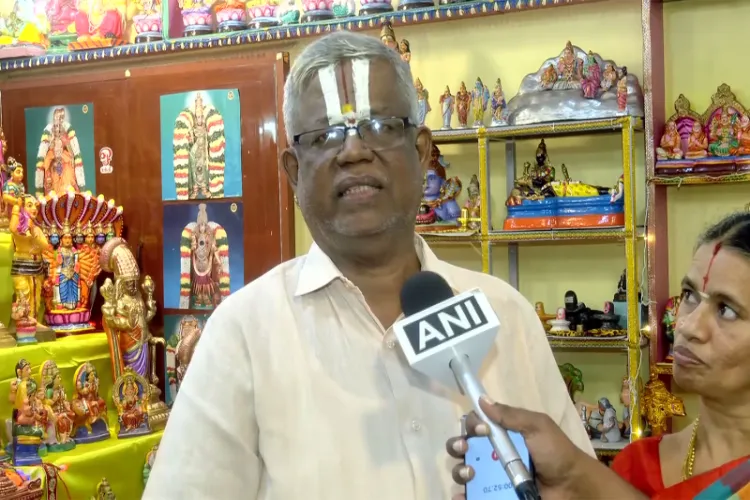
Ashokan from Madurai eagerly awaits Navaratri every year, as the festival gives him an opportunity to collect Golu dolls, a festive tradition he has been following for the past 25 years.
Golu dolls, a cherished part of India's cultural heritage, are traditionally displayed during Navaratri, especially in southern states such as Tamil Nadu, Karnataka and Andhra Pradesh. Known by different names across regions, including Bommai Golu in Tamil Nadu, Bommala Koluvu in Andhra Pradesh and Telangana, and Bombe Habba in Karnataka, the tradition involves arranging colourful figurines on a series of tiered steps.
The displays feature a variety of dolls depicting Hindu gods and goddesses, mythological characters, scenes from epics, animals, everyday life and traditional occupations. Families decorate the steps with carefully arranged figurines, often passed down through generations, creating elaborate displays that reflect religious beliefs, cultural practices and social life.
Ashokan has also collected more than 5,400 Golu dolls at his home.
Speaking about his love for Golu dolls, he told ANI, "I have been arranging Navaratri Golu for the past 25 years. Every year, I have expanded the display, starting with just five steps. This year, the Golu features 136 steps and nearly 5,400 dolls. We do not look at these as mere dolls; we consider each one divine. We have also displayed political leaders who lived among us, honouring them with the same reverence. Every year, we introduce new concepts."
For him, it is a way to bring together different religions, traditions and personalities, reflecting a philosophy that has shaped his life and work for years.
This year, he recreated the consecration ceremony of the Meenakshi Amman Temple in Madurai in a realistic manner, bringing the temple ritual to life through his Golu display.
"This time, I have recreated the consecration ceremony of the Meenakshi Amman Temple in Madurai in a realistic manner. We have also included dolls depicting leaders from various political parties. Our philosophy is ‘Em Madhamum Sammatham’ (all religions are equally acceptable). I have read the Bible and the Quran to understand the good values and messages they convey. From my childhood, I worked in a shop owned by a Muslim family," Ashokan shared.
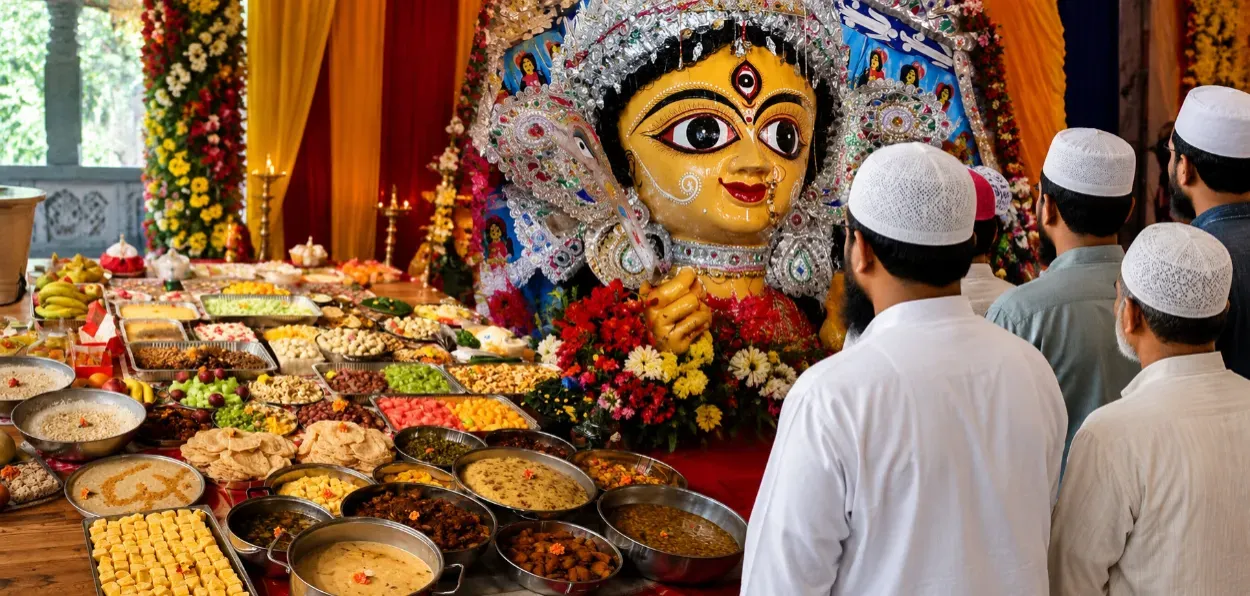
"Even today, Muslim friends continue to play an important role in my Golu arrangements. A Muslim friend helped create the temple tower displayed here. Similarly, two of my Muslim friends, including Ashraf, have contributed their music to my Golu displays over the past 25 years. Whenever I explain a concept to them, they understand my vision and bring it to life exactly as I imagine it. What matters most is the spirit in which we work together, going beyond religious differences. That sense of unity and mutual respect is very important to me. That is why my Golu display brings together different religions, traditions, and personalities," he added.
Shardiya Navratri is a vibrant and sacred Hindu festival that spans nine nights, celebrating the divine feminine energy embodied by Goddess Durga.
READ MORE:IPS Shahnaz Illyas shows the way to deal with caste discrimination
Observed in the lunar month of Ashwin, this festival is marked by fervent worship, elaborate rituals, and cultural performances. Each day is dedicated to a different form of the goddess, symbolising various aspects of strength, compassion, and wisdom.
Devotees engage in fasting, singing devotional songs, and participating in traditional dances, such as Garba and Dandiya, creating a joyful atmosphere.

.jpg "Gujarat’s women entrepreneurs bring their craftsmanship to life during Navratri")









.webp)