Indore
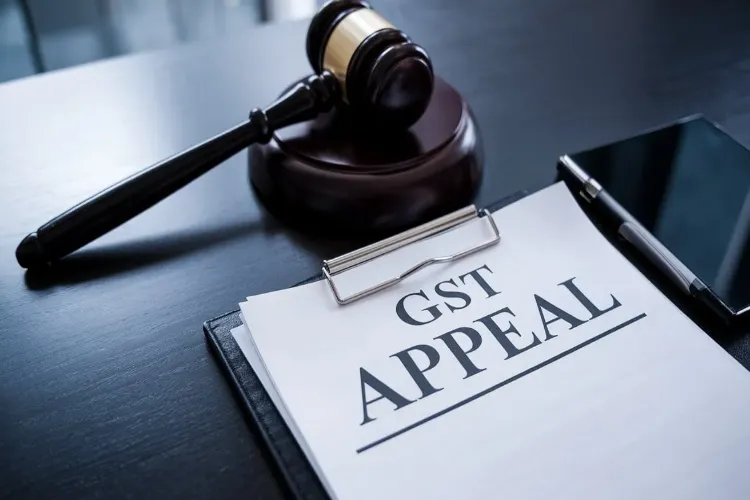
Organisations representing tax consultants in Madhya Pradesh have demanded that the Centre abolish the requirement to submit English translations of documents for filing appeals before a tribunal in GST-related cases in this Hindi-speaking state.
This “impractical obligation” is putting an unnecessary financial burden on appellants, they said.
AK Lakhotia, president of the Madhya Pradesh Tax Law Bar Association, said on Friday that his organisation and the state's Commercial Tax Practitioners Association have sent a memorandum to Finance Minister Nirmala Sitharaman seeking relief.
He explained that Rule 23 of the Goods and Services Tax Appellate Tribunal (GST) provides that if an appeal is filed before the tribunal in a language other than English, it is mandatory to submit translated copies of all documents along with them in English.
According to the Official Languages Act 1963, Madhya Pradesh is classified as a ‘Category A’, where the use of Hindi is primarily required, he said.
“Most orders and documents of the State GST Department are issued in Hindi. Therefore, the provision of mandatory translation of every document into English at the appeal level is impractical, imposing an unnecessary financial burden on appellants,” said Lakhotia.
He said that in the memorandum of tax consultants’ organisations, while analysing Article 348 of the Indian Constitution, it has been said that the English language requirement is limited to the Supreme Court and high courts.
This obligation is not directly applicable to the GST Appellate Tribunal, which is a statutory authority, he said.
READ MORE: Uttarakhand: Rohit Prakash pleads for Muslim keeping shops open till late
Lakhotia said they have urged the Centre to allow the GST Appellate Tribunal benches in Hindi-speaking states to accept appeals, assessment orders, first appeal orders, and other related documents in Hindi, ensuring simple and equitable access to justice for taxpayers.
“If our demand is met, this initiative will prove to be an important step towards making the justice system more inclusive by removing language-based barriers,” he added.
_(1)_(1).webp "Jagannath Rath Yatra")








.webp "BSP Supremo Mayawati")