New Delhi
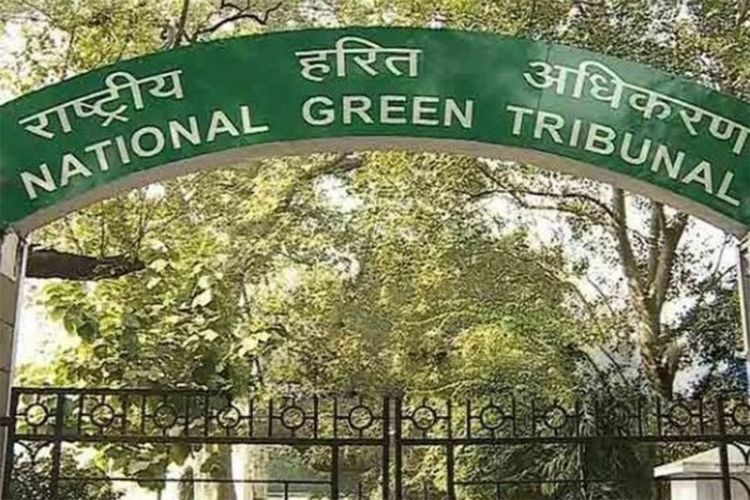
The National Green Tribunal (NGT) has clarified that authorised officials of the Municipal Corporation of Delhi (MCD) can break open locks of industrial premises suspected of operating illegally in East Delhi’s Gamri village to facilitate inspections, paving the way for fresh action against units that could not be inspected earlier because they were found locked.
The tribunal directed a joint committee of government agencies to conduct fresh inspections of the industrial units, particularly those that allegedly remained inaccessible during previous visits, and submit its report at least a week before the next hearing.
A bench headed by NGT Chairperson Justice Prakash Shrivastava and expert member Dr Afroz Ahmad passed the directions while hearing a petition alleging that several industrial units in Gamri village were operating illegally and causing pollution.
The application alleged that units engaged in activities such as metal surface treatment, nickel electroplating, powder coating, glass melting, cyanide-bath heat treatment, phosphating, anodising, enamelling, galvanising and fabric dyeing were causing substantial pollution in the area.
The tribunal noted that previous inspections by a joint team comprising officials from the Revenue Department, Delhi Pollution Control Committee (DPCC), MCD, BSES and Delhi Police had been unable to establish the nature of activities at some premises because they were found closed.
It had also taken note of an earlier inspection report stating that unit or property owners would lock their premises when the joint team arrived and refuse to open them, thereby obstructing inspections.
Addressing the issue of the authority to open such premises, the tribunal referred to Sections 431 and 433 of the Delhi Municipal Corporation Act, 1957, which deal with powers of entry and inspection and breaking into buildings, respectively.
The NGT observed that authorised MCD officials and employees were empowered under the relevant provisions to break open the locks of premises or industrial units operating illegally and falling within the scope of the law.
The tribunal also referred to Section 435 of the Act, under which prior notice is not required in specified circumstances, including inspections of factories, workshops and trade premises covered by the provision.
The order followed an affidavit filed by the Delhi Police Commissioner on October 12, stating that the police did not have the power to break open the locks themselves.
The MCD’s counsel told the tribunal that its officials would take appropriate action to open locked premises if adequate police protection was provided, with police personnel wearing body cameras. Counsel for respondent number 43 expressed no objection to providing the required police force.
The tribunal further directed that the Sub-Divisional Magistrate of Yamuna Vihar remain present during the next inspection. It also accepted a proposal to include a representative of BSES Yamuna Power Limited in the joint committee.
The NGT said that if any unit was found to be operating illegally, BSES Yamuna would take prompt action to disconnect its electricity supply.
READ MORE:Azhar Iqubal left IIT to launch Inshorts and make news a 60 word affair
The joint committee has been asked to inspect respondents numbered 7 to 42, especially premises that could not be inspected earlier because they were locked. The applicant has also been directed to provide the geographical coordinates of other units allegedly operating illegally in the area, which will be inspected by the committee. The matter will next be heard on February 3, 2027.