New Delhi
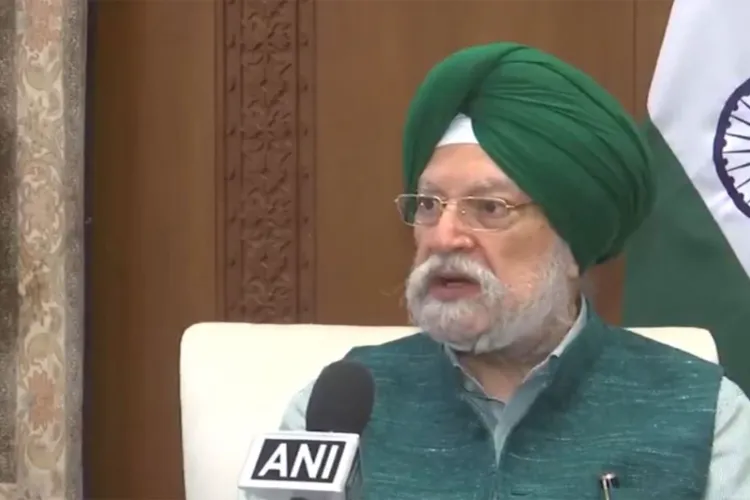
Retail prices of petrol and diesel are unlikely to be reduced immediately despite international crude oil prices falling to a four-month low, as state-run oil companies are still processing expensive crude purchased during the peak of the West Asia conflict, Petroleum and Natural Gas Minister Hardeep Singh Puri said on Thursday.
The minister indicated that a reduction in fuel prices could be considered if global crude prices remain at current lower levels for a sustained period.
Petrol and diesel prices were increased by around Rs 7.50 per litre in the second half of May, more than two months after the outbreak of the West Asia conflict. However, the increase was lower than the rise in international fuel costs, forcing state-owned fuel retailers to absorb a substantial part of the higher input costs.
According to Puri, state-run oil marketing companies — Indian Oil Corporation (IOC), Bharat Petroleum Corporation Ltd (BPCL) and Hindustan Petroleum Corporation Ltd (HPCL) — have incurred cumulative losses of Rs 74,781 crore on the sale of petrol, diesel and subsidised LPG.
The losses include the under-recovery from selling petrol and diesel below cost for four months after the conflict began on February 28, along with unrecovered subsidies on domestic cooking gas.
Global crude oil prices have declined sharply over the past two to three weeks after the United States and Iran signed an interim peace agreement, easing concerns over possible disruptions in the Strait of Hormuz, a vital global energy shipping route. Benchmark crude prices have fallen from around USD 119 per barrel during the peak of the conflict to nearly USD 70 per barrel.
However, Puri said refiners are currently processing crude oil that was purchased two to two-and-a-half months ago when prices, freight charges and insurance costs were significantly higher.
"That crude would have been obtained two months back, when prices were high, the cost of insurance was high and the cost of freight was high. Crude priced at current lower rates will arrive later," he said.
Asked about the possibility of reducing fuel prices, the minister said, "If it (oil prices) remains like this, it (cutting retail prices) is a legitimate thing."
Responding to a question on private fuel retailer Nayara Energy reducing petrol prices by Rs 5 per litre and diesel prices by Rs 3 per litre, while state-run companies have not followed suit, Puri said the company was effectively reversing the price increases it had implemented in March.
He noted that Nayara had matched the price hikes introduced by public sector oil companies in May, and its latest reductions had merely brought its retail prices back in line with those of state-owned retailers.
Puri also highlighted how India managed fuel supplies during the four-month period of disruption caused by the conflict in West Asia.
He said Indian refiners diversified crude imports across multiple regions and increased LPG purchases from the United States, ensuring uninterrupted fuel availability across the country.
"As a result, not a single retail outlet in India ran dry, even as some neighbouring countries had to ration fuel," he said.
The minister added that India's energy inventory remains comfortable.
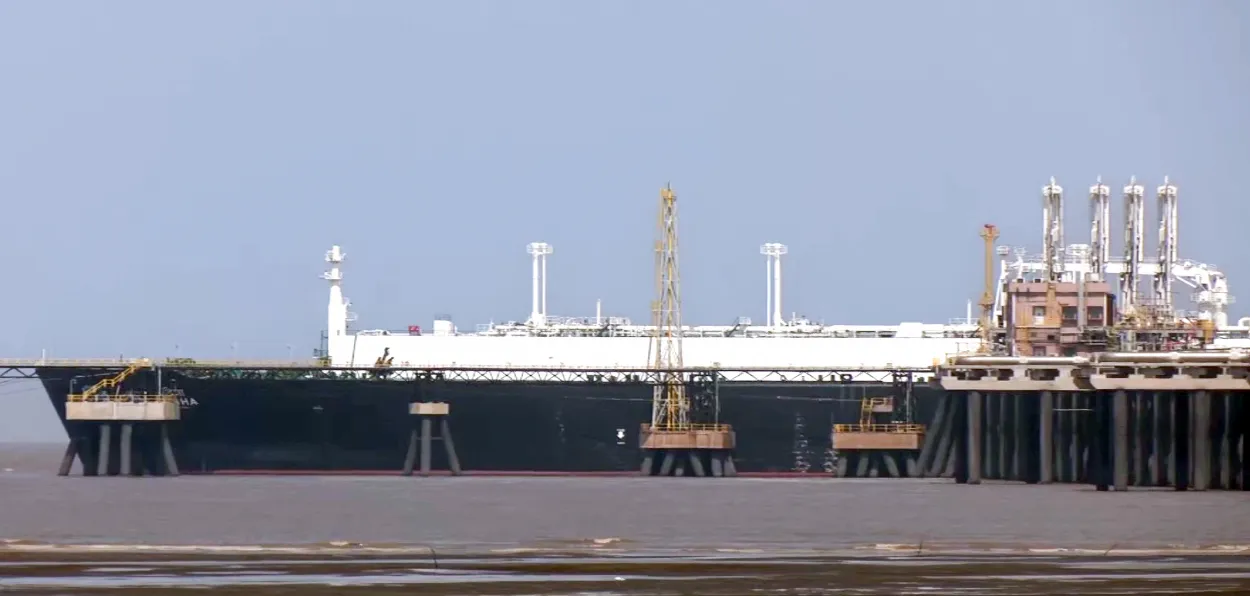
"Every one of our refineries is stocked, every port, terminal, pipeline and depot is stocked. Overall, we have inventories sufficient to meet the country's requirements for 76 to 80 days," he said.
At the same time, Puri said the government plans to further expand the country's strategic petroleum reserves and strengthen energy security by increasing storage capacity and broadening partnerships with crude suppliers.
READ MORE: A Muslim village proves cleanliness, harmony, development go together
"On the price outlook, I am not worried, but we have to prepare by increasing storage capacity and intensifying outreach to bilateral partners for sourcing energy," he added.










.webp "Representational image")

.webp)

.webp)