Malegaon
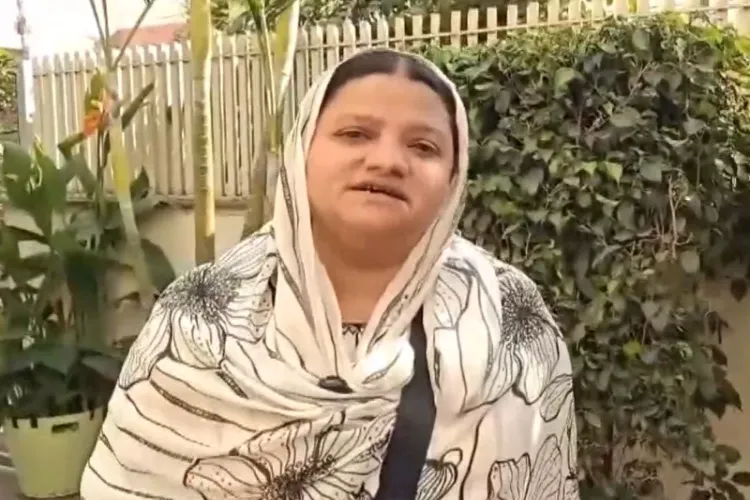
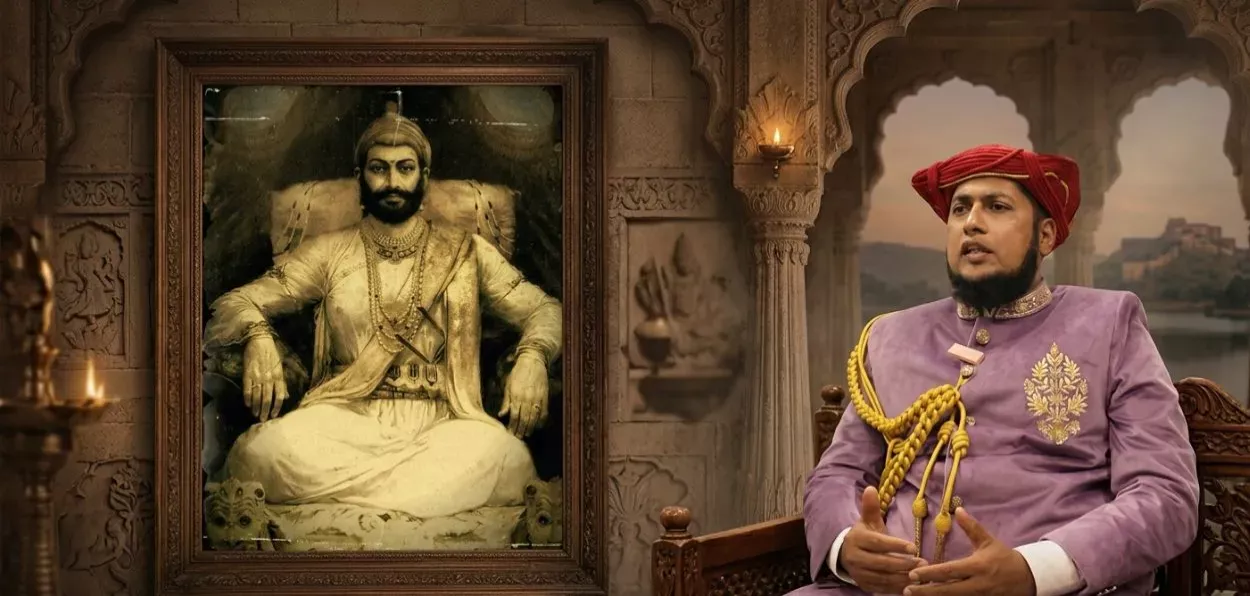
Malegaon Municipal Corporation Deputy Mayor Shan‑e‑Hind Nihal Ahmed on Saturday asserted that the portrait of 18th-century Mysuru ruler Tipu Sultan will continue to be displayed in her office, dismissing objections raised by opposition groups.
Describing herself as a follower of socialist ideology, Ahmed said it was her prerogative to decide which portraits are displayed in her office.
“It is our right to decide which photos are displayed in our office. If workers have put up a photo, there is nothing wrong with it. We believe in socialist ideology and therefore display portraits of great personalities who represent our ideals,” she told ANI.
Clarifying reports about the temporary removal of Tipu Sultan’s portrait, the deputy mayor said it was taken down only because renovation and repair work was underway in the office.
“Once the renovation is complete, the portrait will be reinstalled,” she emphasised.
Responding to questions about the absence of other mandatory portraits, Ahmed said it was essential to first display the photograph of B. R. Ambedkar, the architect of the Indian Constitution. She, however, placed the responsibility of installing portraits of other national leaders on the Municipal Administration.
“The responsibility of installing photos of other great personalities lies with the Municipal Administration. Ask them why the photos of these leaders have not been put up yet,” she said.
READ MORE: Pakistan's newest talent Usman Tariq is inspired by M S Dhoni
Tipu Sultan, who ruled the Kingdom of Mysore in the late 18th century, remains a polarising historical figure. While he is remembered for resisting British colonial expansion during the Anglo-Mysore Wars and earning the title “Sher-e-Mysore,” his legacy has also been the subject of debate over his policies and actions toward various communities in South India.








.webp "Uttar Pradesh Chief Minister Yogi Adityanath")


_(1).webp)