





Chennai
The Tamil Nadu government on Friday announced a series of robust market intervention measures to combat rising prices of essential commodities, including the sale of fine-variety rice at a highly subsidised rate of Rs 30 per kilogram.
The subsidised rice will be made available statewide through Amudham and cooperative stores, Food and Civil Supplies Minister P Venkataramanan announced at the Secretariat.
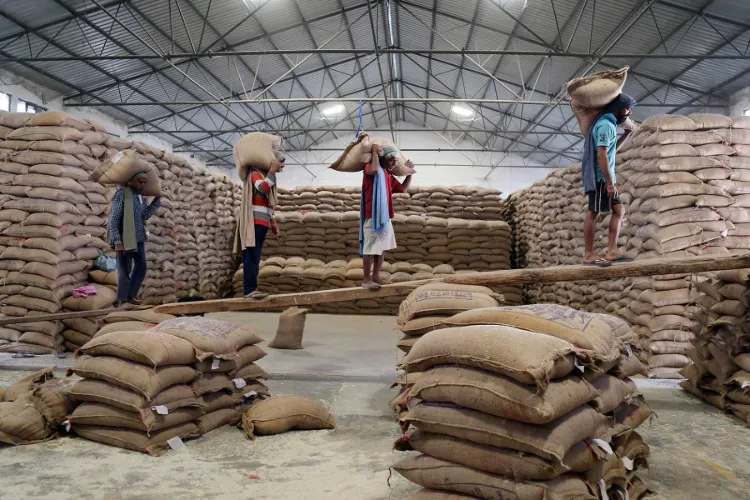
The move comes as retail prices of rice in the open market have surged to Rs 75 to Rs 85 per kg.
According to the Minister, the price spikes have been driven by El Niño-induced agricultural impacts, regional supply shortages, and global economic factors.
To ease the immediate financial burden on households, the government has rolled out a phased distribution framework. In the initial phase, 25,000 metric tonnes of fine-quality raw and parboiled rice will be supplied at Rs 30/kg across 201 cooperative stores and 49 Amudham outlets. To further stabilise kitchen budgets, the state will also ramp up the supply of tur dal at Rs 130/kg and maintain onions at Rs 35/kg through cooperative networks.
"As first and foremost priority, we are procuring one lakh metric ton of rice - Grade A rice variety. About 25,000 metric tons of Grade A rice variety have been released for immediate distribution through our Amudham Departmental Stores and Co-operative Department Stores across the state. Also, we are planning to supply toor dal next week - from Monday onwards - for all shops at Rs 130 per kilo, and rice for Rs 30 per kg. It will be distributed from today or tomorrow onwards," the minister told reporters here.
Based on the outflow available in the market, the government will set up a price monitoring committee regarding the fluctuating prices and stabilise them. "Accordingly, we will plan for other commodities too," Venkataramanan said.
On what action was being contemplated against hoarding of essential commodities, the minister replied, "We are working on it. We are receiving communications, all information from everyone."
Through approximately 2.29 crore family cards, the state government currently ensures the steady distribution of essential food commodities to 7.01 crore beneficiaries, including Priority (PHH), Non-Priority (Non-PHH), and Antyodaya Anna Yojana (AAY) cardholders, the government said in a release here.
The state government has assured citizens that rice supply through fair-price shops will remain uninterrupted. Stocks of sugar, palm oil (palmolein), and lentils (pulses) are fully secured for the next three months, ensuring seamless distribution.
Traders in Tamil Nadu typically procure fine rice in bulk from neighbouring Andhra Pradesh, Telangana, and Karnataka. However, lower crop yields caused by the El Niño phenomenon severely restricted rice inflows, resulting in increased open-market shortages and a sharp surge in prices.
Data from the Department of Food and Consumer Protection’s Price Monitoring Cell - which tracks 67 essential commodities weekly and convenes quarterly review meetings chaired by the Minister for Food and Consumer Protection - highlights the price trends.
Consumers can purchase up to 5 kg based on requirement, starting this weekend, the release said, adding that an initial stock of 500 metric tons of toor dal is being procured from NAFED to be sold at Rs 130 per kg across 250 Amudham and cooperative outlets statewide.
Building on a previous successful drive where over 2,500 metric tons of onions were sold at a controlled price of Rs 35/kg (when open market rates hit Rs 65), the government will continue similar market interventions whenever necessary.
To shield consumers from exorbitant open-market rates for essential kitchen staples, the government has capped prices below market rates across all Amudham and cooperative outlets - essential commodity prices (per kg) Boiled Ponni Rice Rs 60, Toor Dal Rs 130, Urad Dal Rs 140, Garlic Rs 240, Coriander (Dhaniya) Rs 240, Chilli Rs 330.
READ MORE:Muslim organisations: Overly politicised and unexplored creative spaces of religion
Strict action will be initiated against hoarding and black marketing, the government warned.


.jpg "Gujarat’s women entrepreneurs bring their craftsmanship to life during Navratri")







.webp "Union Parliamentary Affairs Minister Kiren Rijiju")



_(2).webp)
.webp)
