




Eman Sakina
Islam is not merely a religion of rules, regulations and restrictions; it is a way of life that guides human beings towards goodness, justice, peace, and responsibility. Every Islamic teaching carries wisdom, whether it concerns prayer, family relationships, business dealings, or social justice.
Friday Musings
To understand this wisdom, it is important to learn about ‘Maqsad al-Shariah’, which means the goals or objectives of Shariah.
In simple language, Maqsad al-Shariah explains why Islamic laws exist and what goodness they aim to protect in human life. These objectives remind us that Islamic teachings are not meant to make life unnecessarily difficult. Rather, they seek to protect human dignity, establish justice, prevent harm, and help people live responsibly before Allah and one another.
What Does Maqsad al-Shariah Mean?
The word ‘Maqsad’ means purpose or objective, while Shariah refers to the divine guidance given by Allah. Together, Maqsad al-Shariah refers to the purposes and wisdom behind Islamic teachings and laws.
Muslim scholars, including the renowned scholar Imam al-Ghazali, discussed the importance of protecting essential human interests through Islamic law. Later scholars, such as Imam al-Shatibi, developed this understanding further.
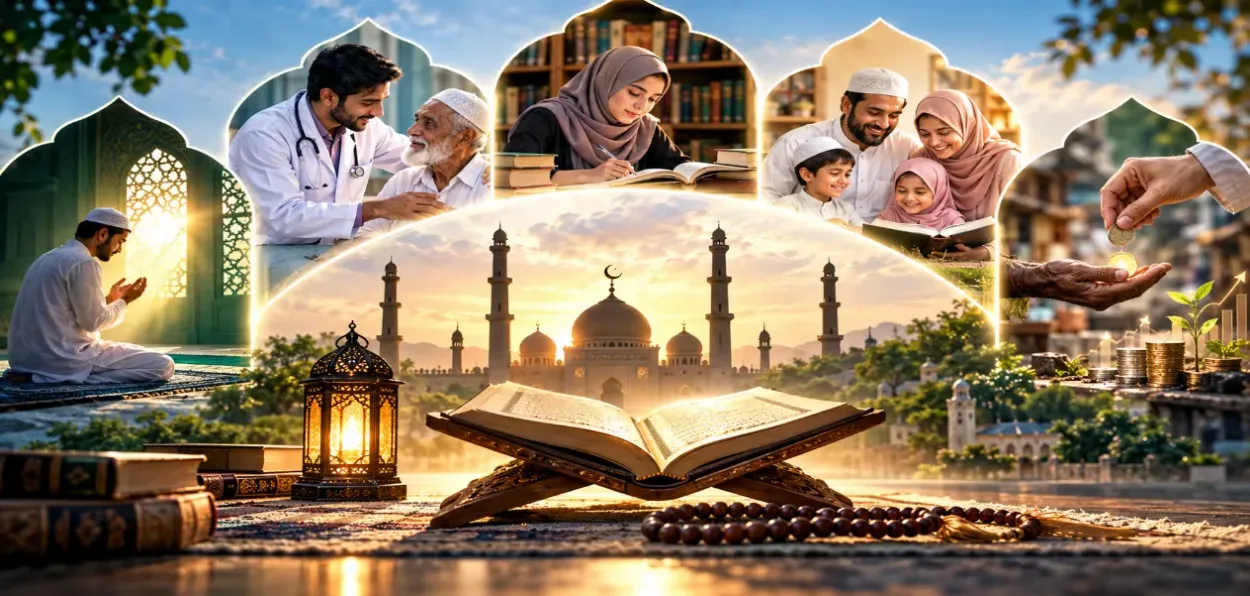
Traditionally, scholars explain five major objectives of Shariah: protecting religion, life, intellect, family and lineage, and wealth. These principles help us understand how Islamic guidance addresses both spiritual and worldly needs.
Allah says in the Holy Quran: “And We have not sent you, [O Muhammad], except as a mercy to the worlds.” (Quran 21:107)
This verse highlights the merciful nature of the Prophet's mission. The objectives of Sharia can be understood within this wider vision of mercy, guidance, and human well-being.
The Five Major Goals of Sharia
1. Protection of Religion
Islam encourages people to worship Allah, strengthen their faith, and live according to moral principles. Prayer, fasting, charity, and remembrance of Allah help believers maintain their spiritual connection.
At the same time, religious commitment should inspire good character, honesty, patience, and compassion. Faith should not become an excuse to humiliate or mistreat others.
2. Protection of Life
Human life is precious in Islam. Protecting people from violence, injustice, hunger, and unnecessary suffering is an important objective of Sharia.
The Quran states: “And do not kill the soul which Allah has forbidden, except by right.” (Quran 17:33)
This teaching reminds us of the seriousness of taking human life. Saving lives, helping people in emergencies, supporting the vulnerable, and working for public safety are practical ways to uphold this objective.
3. Protection of Intellect
The human mind is a valuable gift from Allah. Islam encourages learning, reflection, and the pursuit of beneficial knowledge. Protecting intellect also means avoiding things that damage a person's ability to think and make responsible decisions.
The Quran repeatedly invites people to reflect on creation and consider the signs of Allah. Education, critical thinking, and responsible use of technology can all contribute to this goal.
4. Protection of Family and Lineage
Family provides love, care, identity, and emotional security. Islam places importance on marriage, children's rights, parental responsibilities, and maintaining family relationships.
Allah says: “And live with them in kindness.” (Quran 4:19)
Although this verse specifically addresses husbands' treatment of their wives, its message of kindness is an important reminder for family life. Protecting families means preventing abuse, fulfilling responsibilities, respecting one another, and ensuring that children grow up in a safe and caring environment.
5. Protection of Wealth
Islam recognises the importance of earning a livelihood and meeting financial needs. However, wealth must be earned and used responsibly. Theft, fraud, corruption, exploitation, and dishonest business practices harm individuals and society.
Allah says: “And do not consume one another's wealth unjustly.” (Quran 2:188)
This verse establishes an important principle of financial justice. Paying workers fairly, returning what belongs to others, helping people in need, and conducting honest business are examples of protecting wealth as per Islamic values.
Maqsad al-Shariah in Our Daily Lives
The objectives of Shariah are not limited to books of Islamic law or discussions among scholars. They have a place in our everyday decisions.
A doctor who treats patients with care is credited with protecting life. A teacher who educates children helps protect intellect. Parents who raise their children with love and good character protect family life. A businessperson who refuses to cheat customers protects wealth and promotes justice. A believer who practices faith with sincerity helps preserve religious life.
These examples show that Islamic guidance connects worship with social responsibility. It teaches Muslims to consider not only what benefits them personally but also how their choices affect other people.
However, Maqsad al-Shariah should not be used to justify any action simply because someone believes it will give a good result. Understanding Islamic objectives requires knowledge of the Quran, the teachings of the Prophet, and the principles developed by qualified scholars. Questions involving Islamic rulings can be complex and should be approached carefully.
In a world facing violence, dishonesty, family breakdown, and growing social inequality, these principles remain deeply relevant. They encourage Muslims to become more thoughtful in their decisions, fairer in their dealings, and more compassionate towards others.
The real beauty of understanding the goals of Shariah lies in recognising that religious responsibility extends into every part of life. It is reflected in the way we speak, earn, raise children, treat neighbours, and respond to injustice.
ALSO READ: Why great care must be taken while selecting an Imam?
Maqsad al-Shariah teaches us to ask not only, “What does Islam require of me?” but also, “How can I live its guidance in a way that protects dignity, promotes justice, and brings goodness to humanity?”

.jpg "Gujarat’s women entrepreneurs bring their craftsmanship to life during Navratri")











_(2).webp)
.webp)
_(2).webp)
.webp)



.webp)
