New Delhi
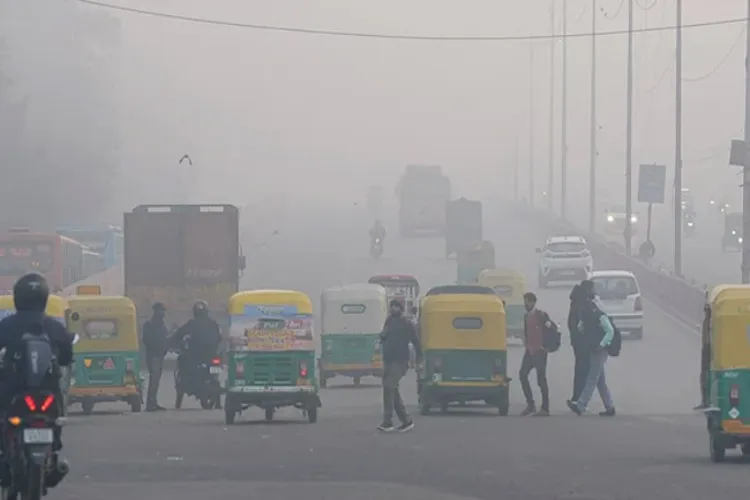
India has been ranked the sixth most polluted country globally in terms of fine particulate matter (PM2.5), while Uttar Pradesh’s Loni has emerged as the world’s most polluted city, according to the latest World Air Quality Report 2025 released by IQAir. The national capital, Delhi, was placed fourth in the global rankings.
The report, now in its eighth edition, assessed air quality data from over 9,400 cities across 143 countries, regions, and territories. It found that Pakistan topped the list of most polluted countries, followed by Bangladesh, Tajikistan, Chad, and Congo, with India ranking sixth.
Among the world’s ten most polluted cities, five are located in India—Loni, Byrnihat, Delhi, Ghaziabad, and Ula. The report noted that the 25 most polluted cities globally are concentrated in India, Pakistan, and China, with India accounting for three of the top four.
Loni recorded an annual average PM2.5 level of 112.5 µg/m³, marking a sharp increase from the previous year and exceeding the World Health Organization guideline by more than 22 times.
Globally, air quality trends showed mixed results. While 75 countries reported improvements in PM2.5 levels, 54 experienced deterioration, and only 14 per cent of cities met the WHO’s recommended annual limit of 5 µg/m³—down from 17 per cent the previous year. Just 13 countries and territories met the safe air quality standards.
The report highlighted climate change-driven wildfires as a major contributor to worsening air quality in 2025. Severe wildfire activity in Canada and parts of the United States significantly impacted air pollution levels across North America and even parts of Europe.
In the US, average PM2.5 levels rose to 7.3 µg/m³, with cities experiencing spikes due to wildfire smoke and dust storms. Meanwhile, regions such as southeast Los Angeles were among the most polluted areas, while Seattle remained the cleanest major city for the second consecutive year.
Europe also recorded varied trends, with several countries witnessing increased pollution levels due to cross-border factors such as wildfire smoke and Saharan dust.
The report also pointed to a setback in global monitoring efforts following the closure of the US State Department’s air quality monitoring programme in 2025, which reduced access to crucial data in multiple countries.
READ MORE: Col Sofiya Qureshi redefined the role of women in Military
Experts emphasised that air pollution remains a critical public health challenge and stressed the importance of expanding monitoring systems and improving access to real-time data. They noted that tackling emissions and addressing climate change are essential for achieving sustained improvements in air quality worldwide.