.webp "Vice President CP Radhakrishnan, second right, Lok Sabha Speaker Om Birla, second left, Deputy Chairman of the Rajya Sabha Harivansh Narayan Singh, right, and MP Sudha Murty during the launch of Murty's book Tides of Time")
New Delhi
Vice President C. P. Radhakrishnan on Wednesday released “Tides of Time: Bharat's History through Murals in Parliament”, a book authored by Rajya Sabha MP Sudha Murty, highlighting India’s civilisational journey through the artwork displayed in Parliament.
The event, held in the Parliament complex, was attended by Om Birla, Speaker of the Lok Sabha. The book has been published by the Lok Sabha Secretariat.
Addressing the gathering, Radhakrishnan emphasised that democratic traditions in India are deeply embedded in its history and culture. He pointed to examples ranging from Vaishali in the north—often regarded as one of the earliest republics—to the Kudavolai system in southern India, to underline the continuity and inclusiveness of democratic practices.
He described India as the “mother of democracy,” stressing that its civilisational ethos has long valued dialogue, consensus, and respect for diverse opinions.
The Vice President noted that the murals housed in Samvidhan Sadan—the old Parliament building—are more than artistic creations. According to him, they serve as visual narratives that chronicle India’s historical and cultural evolution.
Quoting Subramania Bharati, the renowned Tamil poet, he highlighted India’s rich traditions of wisdom, dignity, and inclusiveness.
Radhakrishnan also referred to the ceremonial display of the Sengol, a sacred sceptre associated with the Chola dynasty, during the President’s address to a joint sitting of Parliament. He described it as a powerful symbol linking modern governance with India’s ancient civilisational roots.
READ MORE: Aneesa Sayyad: The ‘Golden Girl’ of Indian shooting
The book aims to bring attention to these artistic and historical elements within Parliament, offering readers a unique perspective on India’s past through its institutional spaces.

_(1).jpg "Visitors gather at the Santosh Mitra Square Durga Puja pandal, themed on the 150th anniversary of Vande Mataram and its historic role in India's freedom movement, ahead of the festival, in Kolkata")
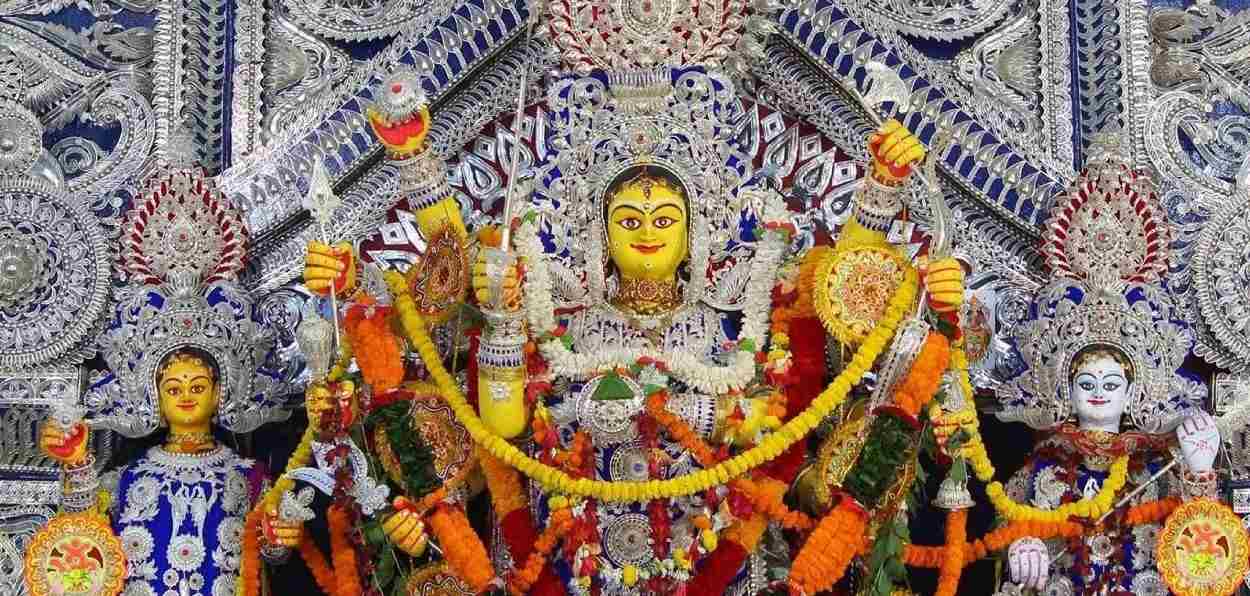
.jpg "Gujarat’s women entrepreneurs bring their craftsmanship to life during Navratri")






.webp "Bollywood actor Tiger Shroff")

.webp)