Yogesh Jagtap
Dr Sarfaraz Bashir Tamboli has become the first Maharashtrian to earn a doctorate (PhD) before turning 30. He completed his PhD on Type-2 Diabetes and Diabetic Retinopathy from Sunrise University in Alwar, Rajasthan.
He studied Diabetic Retinopathy, a condition that is common among patients with Type 2 Diabetes Mellitus. He researched how prolonged diabetes — 8 to 10 years or more — adversely affects the retina of patients, increases the risk of blindness, and what the associated risk factors are.
His findings will serve as a guiding light for the diagnosis and treatment of eye diseases in diabetics.
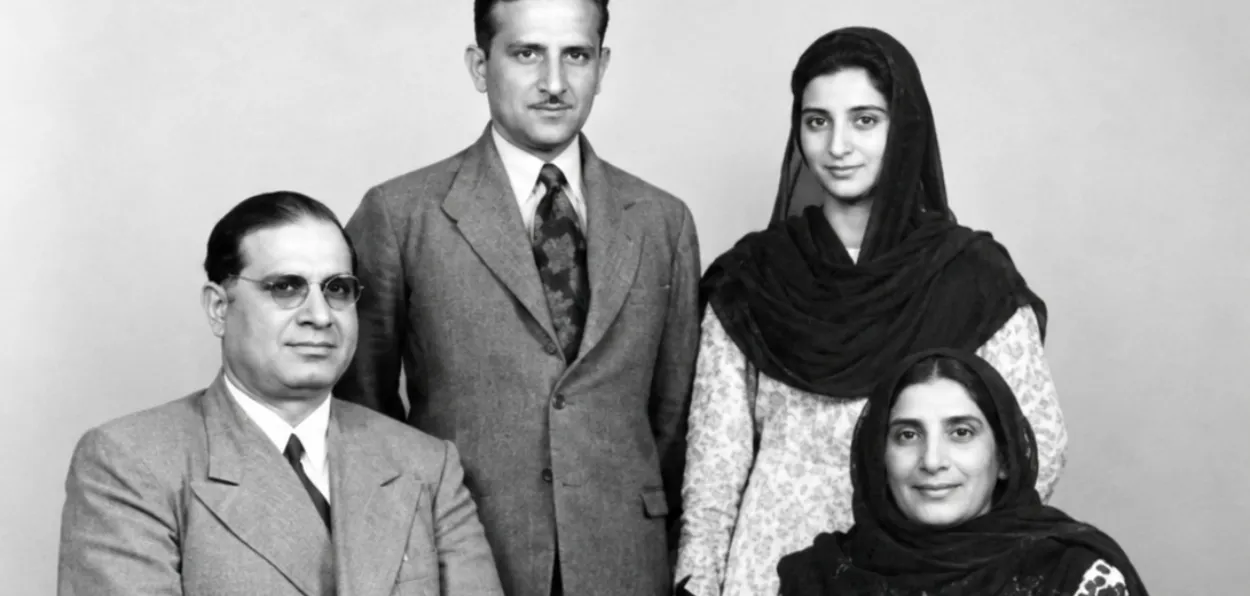
 Dr Sarfaraz Bashir Tamboli with his parents and wife
The 29-year-old Dr Sarfaraz Bashir Tamboli hails from the village of Samatanagar in Dharashiv. He is working as an Assistant Professor at K.T. Patil Pharmacy College in Dharashiv.
Tamboli studied Pharm.D. and joined the college as an Assistant Professor.
Dr Sarfaraz's father serves as a headmaster at a Zilla Parishad school. His mother, Reshma Tamboli, holds a degree in education and is a homemaker.
Thanks to this educated family environment, Sarfaraz and his sister chose the medical field. His sister, Dr Tabassum, is an MBBS doctor.
Meanwhile, his wife, Dr Alisha Shaikh, is a BAMS doctor. She was selected as a Medical Officer (Class-1) through the MPSC examination in 2024 and is currently working at the Primary Health Centre in Andur.
 Family of Dr Sarfaraz Bashir Tamboli holding his PhD degree
After completing his schooling in Dharashiv, Sarfaraz pursued his secondary education in Latur. It was during his twelfth standard that he decided to build a career in the medical field. He used to study Biology with great interest.
After his twelfth standard, he wanted to secure admission for MBBS. However, falling short by just 4 marks in the NEET exam cost him a seat in a government medical college.
He was getting admission into a semi-government college with the same score, but he decided against it. At that time, some acquaintances advised him to pursue pharmacy.
However, instead of limiting himself to just diagnosing diseases or manufacturing medicines, Sarfaraz was keen to pursue clinical research.
He pursued a six-year Pharm.D. (Doctor of Pharmacy) degree from the Government College of Pharmacy in Chhatrapati Sambhajinagar in 2016.
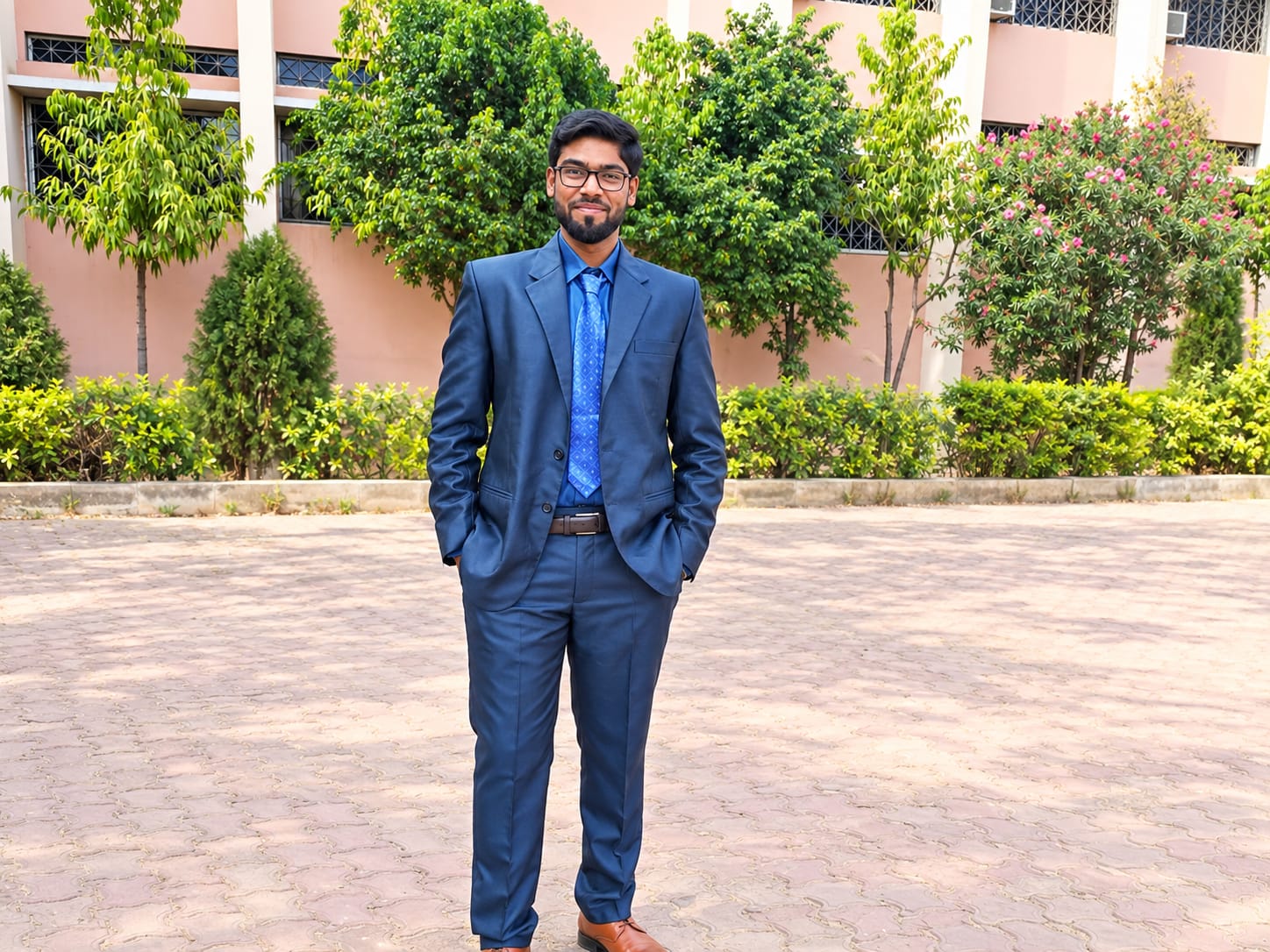 Dr Sarfaraz Bashir Tamboli
While pursuing his Pharm.D. education, Sarfaraz also nurtured his passion for teaching. Right from his second year of college, he started conducting Biology classes for twelfth-standard students in Sambhajinagar. Between 2017 and 2021, he guided hundreds of students through both online and offline modes.
After completing his college in 2021, he completed a one-year internship at the Government Ghati Hospital in Sambhajinagar.
Following this, an opportunity for a PhD and a job abroad came his way. However, he had to let it go due to his father suffering a heart attack and subsequent financial constraints.
After completing his degree, Sarfaraz returned to his hometown, Dharashiv. He joined the K.T. Patil College of Pharmacy as an Assistant Professor and simultaneously registered for a PhD.
'Diabetic Retinopathy' occurring in patients with Type 2 Diabetes Mellitus was the main subject of his research. He researched how prolonged diabetes of 8 to 10 years or more adversely affects the retina, how it increases the risk of blindness, and what the associated risk factors are.
He completed his clinical assessment by studying a sample size of around 200 patients at an Eye Institute in Ahmedabad. His research will help to prevent blindness caused by diabetes and increase the accuracy of medical treatments.
 Dr Sarfaraz Bashir Tamboli
Speaking about his research, Dr Sarfaraz says, "An increased duration of diabetes and uncontrolled blood sugar are linked to the progression of Diabetic Retinopathy."
He adds, "An increase in biomarkers such as CRP, TNF-α, and VEGF also elevates the severity of the disease. Therefore, timely eye examinations, control of HbA1c and other risk factors, and taking proper medical treatment are essential for diabetic patients. This can help identify Diabetic Retinopathy early and reduce the risk of vision loss."
In India, there is still not enough awareness about the 'Pharm.D.' course and the role of a clinical pharmacist. In Western countries, doctors only diagnose the disease, while Pharm.D. doctors determine the correct medication and treatment.
Although this course started in India in 2008, people often mistake it for a 'D.Pharm'. Clearing this misconception and imparting the right knowledge about clinical research and the pharmacy sector to students is Dr Sarfaraz's mission.
By turning down opportunities abroad due to family difficulties, he chose the path of staying on his own soil to shape the new generation and contribute to the field of research.
ALSO READ: Junaid Mohiuddin pulls youth out of reel-surfing into boxing ring
Dr Sarfaraz Tamboli's journey is highly inspiring for the youth in rural areas and students wishing to enter the field of medical research.