





 Rajeev Narayan
There was a time when the arrival of the monsoons in India was announced not by mobile alerts or flashing TV tickers, but by the inimitable fragrance of wet earth. It was a season woven into India’s collective memory. Children floated paper boats through overflowing roadside drains. Families gathered with cups of steaming tea and plates of pakodas. Farmers looked skywards with gratitude. Rivers brimmed with life, reservoirs filled, hydroelectric stations hummed back into action and hillsides wore a fresh coat of emerald green.
The monsoon was India’s annual celebration of renewal. It still is. Nearly 75 per cent of the annual rainfall arrives in barely four months, feeding rivers, replenishing reservoirs, irrigating fields and sustaining the livelihoods of more than half a billion Indians who remain dependent on agriculture. The rains are not merely a season. They are India’s economic bloodstream, providing 4,000 billion cubic metres of precipitation. Yet, over time, celebration has given way to apprehension, with every dark cloud carrying as much anxiety as anticipation.
The monsoon is now pompous and rude, testing India’s resilience. Even before this year’s rains have reached their full intensity, reports of landslides, flash floods, swollen rivers and disrupted transport are pouring in. Mumbai received 80 per cent of its average July rainfall in four days, overwhelming roads and rail networks. In the Himalayas, Red and Orange Alerts have kept Himachal Pradesh, including Shimla, on edge as landslides, road closures and flash floods threaten connectivity.
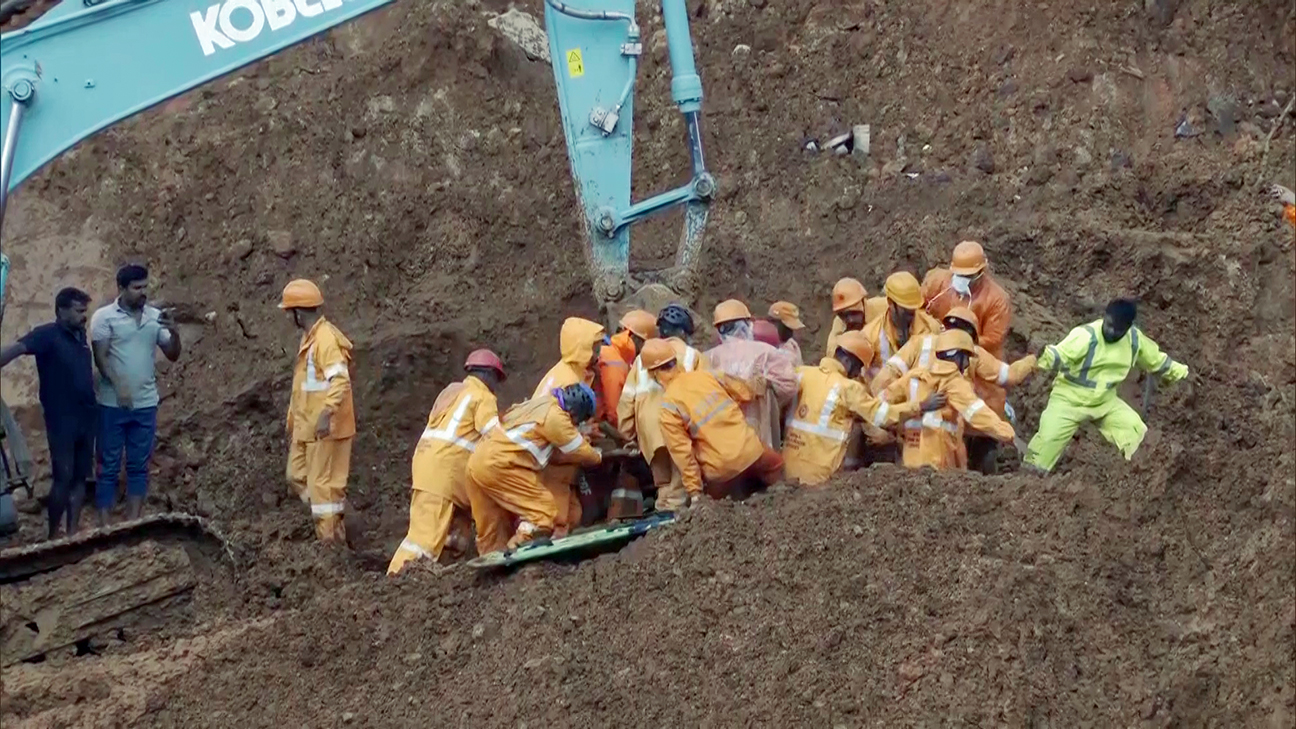 Landslide in Waynad, Kerala
Uttarakhand has witnessed swollen rivers and heavy rainfall across all districts. In Wayanad, a devastating landslide has cast a shadow as Kerala braces for another furious monsoon. Across western and northern India, alerts have become the new normal, underscoring a sobering reality – infrastructure built for yesterday’s climate is struggling to cope with today’s weather.
Nature’s Warning
For long, climatologists have cautioned that a warming planet does not necessarily mean more rain everywhere. It means erratic rain, more cloudbursts, longer dry spells interrupted by violent downpours and weather that is difficult to predict. India is witnessing precisely this frightening shift. But the monsoon itself is not the villain.
Rainfall is not new to India, but what has changed is the landscape on which the rain now falls. Hills have been carved to accommodate settlements. Rivers have narrowed due to encroachments. Wetlands that once absorbed excess water have disappeared beneath concrete. Decrepit drainage systems designed years ago are no match for increased rainfall. Roads, hotels and infrastructure have expanded, making scientific planning and environmental safeguards more important than ever.
The result? What begins as a natural weather event often escalates into a humanitarian crisis. India needs to learn lessons from past disasters. And forecasting capabilities have improved over the past decade. The India Meteorological Department has been upgraded, and disaster-management agencies have been beefed up with early-warning dissemination and emergency response systems.
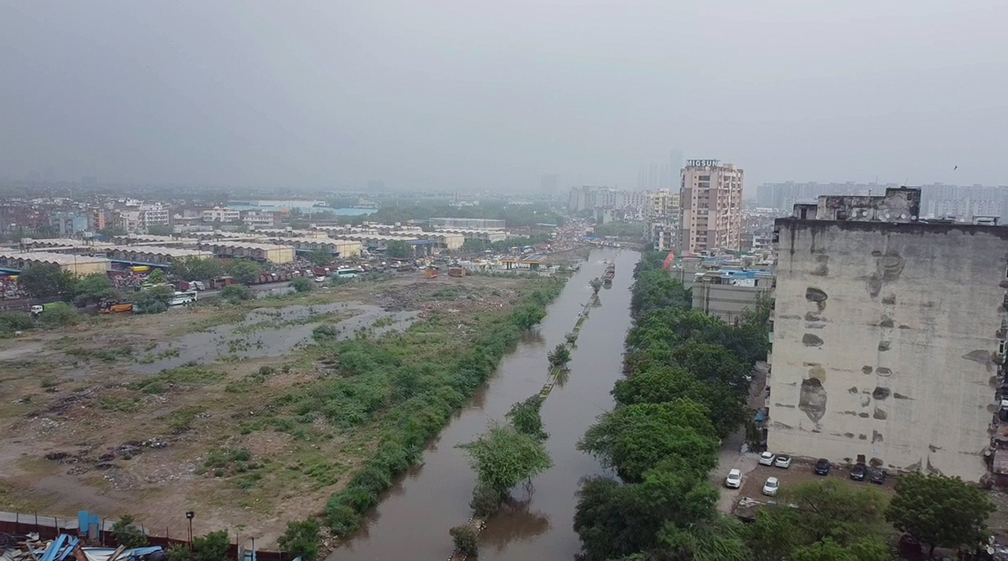 Ghazipur vegetable mandi in Delhi NCR after heavy rainfall
But accurate forecasts alone cannot prevent disasters if planning begins only after the clouds gather.
Preparing Better
Every monsoon’s fury raises the same itchy question: why does India continue treating a recurring seasonal event like an emergency? The answer does not lie in assigning blame. It lies in accepting that resilience is built throughout the year, not during a crisis.
Preparation means desilting drains before the rains arrive, not after neighbourhoods are flooded. It means identifying vulnerable slopes, bolstering embankments, regulating construction in sensitive zones and ensuring that evacuation plans are made well before disaster strikes. It means making risk assessments integral to development, rather than treating them as procedural formalities.
Some states have intensified preparedness by deploying machinery, emergency personnel and rapid-response teams to battle heavy rainfall. Such measures deserve recognition because they save lives. But preparedness must become less reactive and more institutional. India’s strong moves in infrastructure creation should go hand in hand with ecological sensitivity. Growth need not compete with conservation. Properly planned, the two can strengthen each other.
The question, therefore, is no longer whether India should develop. It is how India develops.
Fear Factory
There is another danger that arrives with the monsoon, one that has nothing to do with rainfall. It arrives on smartphones. Within minutes of heavy showers beginning anywhere, social media is flooded with dramatic videos claiming to show mountains collapsing, bridges disappearing or towns being washed away. Some are genuine. Most are not. Old footage resurfaces with fresh captions. Videos from previous years, even from different nations, are recycled as ‘Breaking News’.
When rumour travels faster than rescue teams, the consequences are real. Families panic. Tourists cancel holidays to perfectly safe destinations. Hotels, restaurants, taxi operators, guides and small businesses dependent on seasonal tourism suffer life-impacting losses. Equally worrying, genuine warnings from official agencies get buried beneath an avalanche of misinformation.
Freedom of expression cannot be a license to manufacture fear. And censorship is not the answer; it should be speed, credibility and accountability. Authorities need to conduct real-time fact-checking and public messaging. Social media platforms must respond swiftly to false or mischievous disaster-related content. Citizens have a responsibility too: before forwarding a frightening video, pause to verify if it is current, authentic and sourced from a credible authority. Panic is not preparedness.
Uttarakhand Monsoon 🌧️ ☔ pic.twitter.com/mC7I1WRhOG
— Suchintan Singh (@suchintan_singh) July 10, 2026
Living Wisely
India cannot stop the monsoon. Nor should it wish to. The rains remain the lifeblood of its farms, rivers, forests and reservoirs. They sustain livelihoods, replenish groundwater and nourish an economy that still depends heavily on nature’s rhythms. What India can change is its preparedness.
The future lies not in fearing every cloud but in respecting what the clouds have been teaching us. Scientific planning, resilient infrastructure, environmentally responsible development, better public awareness and trustworthy communication together offer a far stronger defence than annual expressions of surprise. Perhaps the greatest lesson of the modern monsoon is this – disasters don't occur because of heavy rain but due to a lack of society's readiness.
ALSO READ:Chhattisgarh Waqf Board turns into a Nikah approval authority
When this monsoon intensifies, and it will, India should welcome it with the joy it once inspired, confident not because the skies have become gentler, but because the nation has become wiser.
The writer is a veteran journalist and communications specialist.











.webp)

_(1).jpg)
_(4).webp)