




Rajeev Narayan/ New Delhi
At a pivotal moment, NSA Ajit Doval has called upon the youth to help transform the nation’s historical memory into leadership, strength and national resurgence
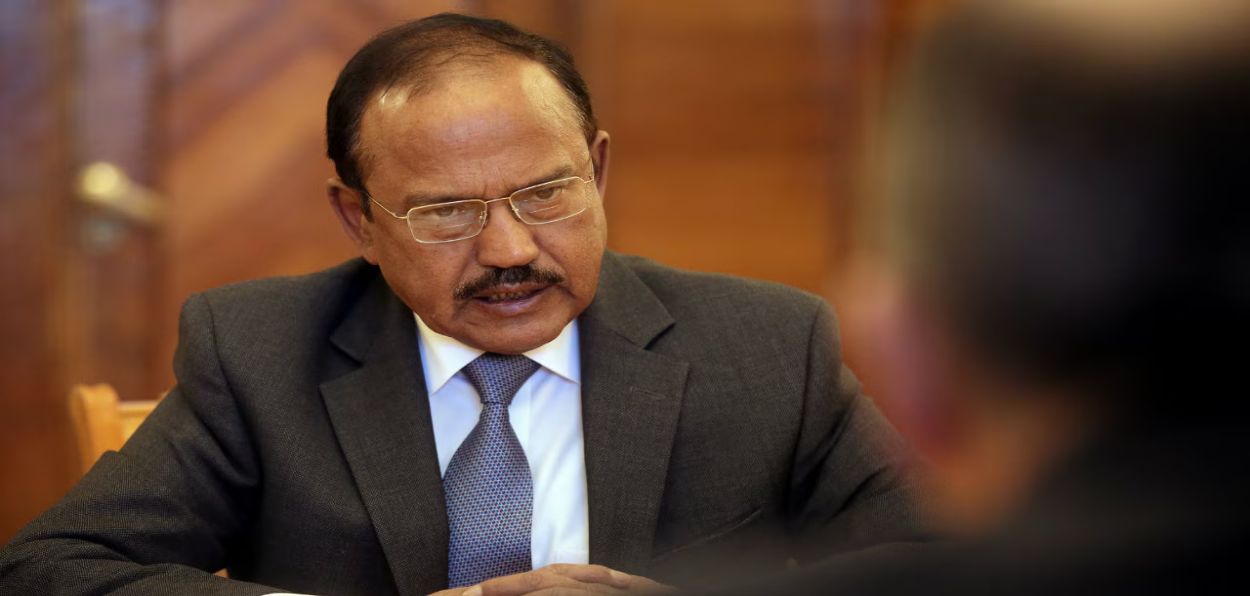
During moments of national churn, history does not whisper. It confronts. At the Viksit Bharat Young Leaders’ Dialogue, National Security Advisor Ajit Doval chose precisely such a moment to speak to India’s youth, not with comforting generalities but with an unambiguous call to responsibility. The message was stark and deliberate: India’s destiny would be determined not merely by governments or policies, but by the quality of leadership that the youth cultivates.
Under Prime Minister Narendra Modi’s leadership, Doval highlighted, India has found a direction and momentum so decisive that even in ‘automatic mode’, it is moving fast and true. But momentum, Doval warned, is meaningless without purpose. And purpose must be anchored in history, consciousness and resolve.
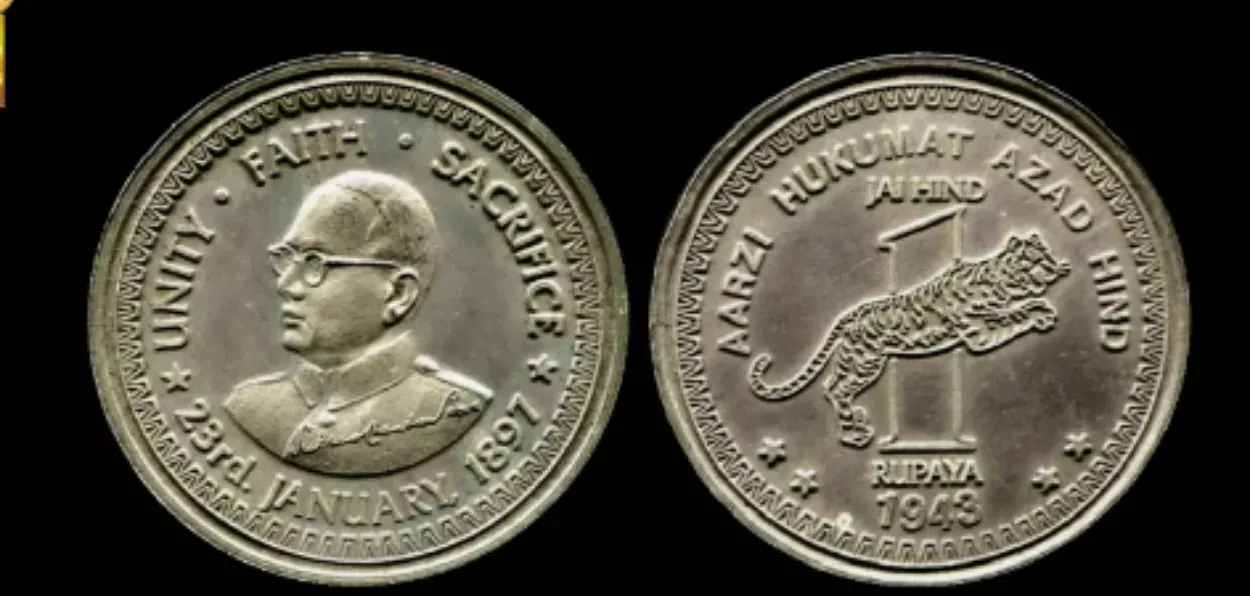
Doval also invoked the freedom struggle, not as a ceremonial reference but as a living inheritance. Mahatma Gandhi, Subhash Chandra Bose and Bhagat Singh were not icons carved in stone; they were young Indians who bore extraordinary suffering and risked everything so that an ancient nation strong in civilisation could reclaim its agency. Today, that relevance lies not in romantic nostalgia but in the ethic that was embodied – courage, clarity and a willingness to lead.
“Strength is essential in every dimension,” Doval said, be it border security, economic power, social cohesion or institutional robustness. Without this multidimensional strength, nations drift. With it, they shape history.
It is in this context that a controversy was sought to be created around the use of the word ‘revenge’ in Doval’s address. This is unfortunate, especially as it was a motivated and nonsensical diversion, a shallow attempt to reduce a higher argument into a semantic trap. The intent was to distract, dilute and derail, deserving neither prolonged engagement nor any indulgence.
The substance of the NSA’s message was never about vendetta against people or nations; it was about redress through rebuilding, dignity through achievement and resolve through national renewal. Such mischief is best dismissed, firmly and finally, so that attention returns to what actually matters.
Historical Reckoning
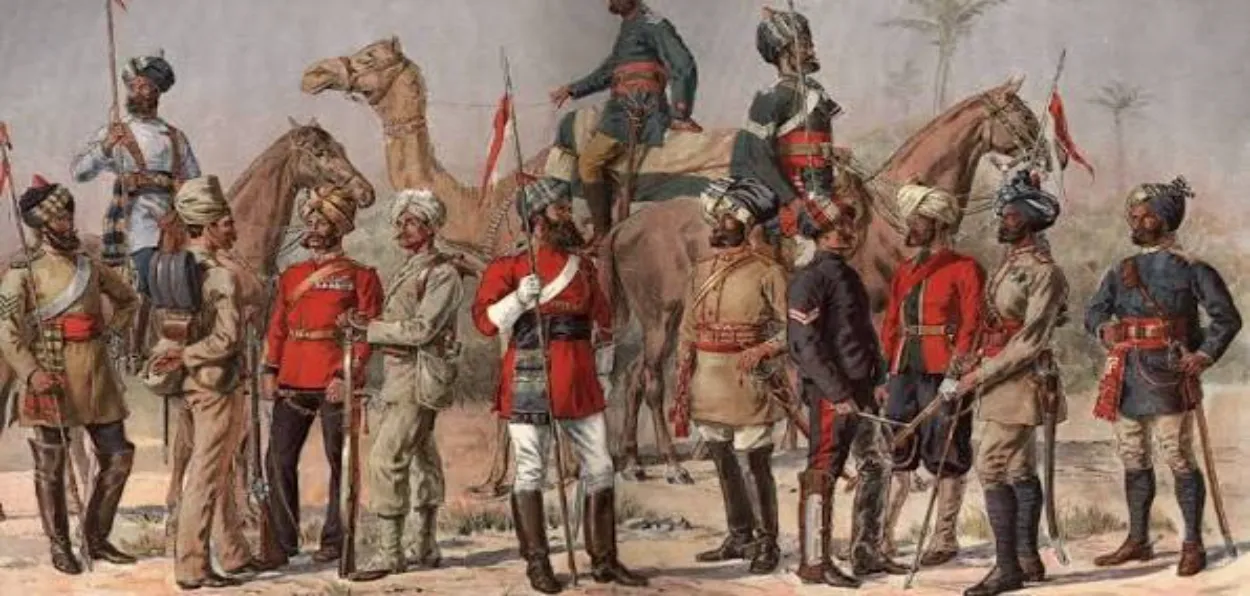
India’s past is not a story of spiritual richness; it is also one of material and institutional strength. For centuries, India was among the world’s foremost economic powers, contributing a substantial share of global output. This was not accidental, but built on sophisticated systems of trade, education, manufacturing and governance. Centuries of imperial rule dismantled much of this architecture, draining wealth, distorting institutions and eroding confidence. Independence restored political freedom, but reclaiming nation’s strength is a longer, unfinished project.
Doval’s exhortation to “take lessons from history” must be understood in this context. History is not a grievance ledger, but a strategic manual. Nations that forget how they fell are certain to repeat decline in new forms. Thus, the call is not to brood over loss but to convert memory into motivation. To pledge never to be vulnerable again through complacency, fragmentation or institutional decay.
Central to this project is India’s youth. With the youngest global population, India has a demographic advantage that can either propel it forward or weigh it down. Doval’s message was unambiguous: youth are not beneficiaries-in-waiting; they are stakeholders. The leadership they demand, tolerate or reject will shape the nation’s trajectory more decisively than slogans or manifestos.
Prime Minister Modi has consistently reinforced this theme. Under his leadership, policy emphasis on start-ups, digital infrastructure, manufacturing, defence indigenisation and space tech has sought to place young Indians at the centre of transformation. Barriers to enterprise have been lowered, avenues for innovation expanded and global ambition encouraged. This is not accidental; it is a conscious bet on a generation that is more connected, confident and aspirational than any before it.
But aspiration alone is not enough. Leadership, as Doval reminded the youth by quoting Napoleon, determines the destiny of nations. Leadership is not confined to elected office; it manifests in entrepreneurship, academia, civil society, technology and community life. The question before India’s youth is not whether they will lead, but how, and with what values.
Global Crosswinds
The urgency of this call becomes clearer when viewed against the global backdrop. Much of the developed world is grappling with economic stagnation, social fragmentation and political fatigue. Institutions that seemed unshakeable are under strain. In contrast, India has managed to stitch together a cohesive strategy — balancing growth with welfare, strategic autonomy with global engagement and reform with stability.
There are those who haven’t. For instance, Iran now offers a sobering lesson in how even an ancient and resource-rich civilisation can slide into distress when national purpose, economic adaptability and credible leadership erode. Once a central power in West Asia with vast energy reserves and strategic depth, Iran is today gripped by economic dysfunction, a devalued currency and public unrest.
The rial’s collapse — trading near 1.4 million to the US dollar — along with high inflation and stagnant growth, has triggered protests across cities and commercial centres, driven less by ideology and more by economic desperation. Sanctions, policy rigidity and internal mismanagement have combined to weaken state capacity and public trust, leaving a young, aspirational population disillusioned. Iran’s predicament underscores a hard truth for rising powers.
Civilizational legacy and natural resources offer no immunity against decline if leadership fails to renew institutions, maintain social cohesion and adapt to a changing global order.
Yet, the global scenario is unforgiving. Power vacuums are exploited; economic weakness invites strategic pressure. Doval’s reference to Iran was, therefore, not incidental. It was a cautionary signal. Civilisations do not collapse overnight; they erode gradually when national consciousness weakens and leadership falters.
Thus, India cannot afford complacency or moral confusion. Its rise must be anchored in internal cohesion, institutional credibility and strategic clarity. Youth leadership is indispensable to all three.
Leadership Ethos
What kind of leadership is needed today? Not loudness, but seriousness. Not performative outrage, but competence. India’s pluralism — cultural, linguistic, religious — is not a weakness to be managed; it is a strength to be harmonised. Leadership must be decisive without being divisive, confident without being arrogant, rooted without being insular.
The path ahead is demanding but clear. India must invest in education that builds critical thinking and future-ready skills. Economic growth must be sustained so that opportunity is not geographically or socially concentrated. Institutions must be strengthened to command trust at home and respect abroad.
Foreign policy must continue to balance strategic autonomy with principled engagement. For India’s youth, the mandate is even sharper. Participate, innovate, lead. Nation-building is not a singular movement; it is a million acts of responsibility. Ethical entrepreneurship. Honest administration. Scientific inquiry. Social engagement. And informed citizenship.
READ MORE: Osama played Oud and stole the show at New Delhi World Book Fair
Doval’s address was not a provocation, but a summons. Any attempt to trivialise it through manufactured controversy reveals more about the poverty of such tactics than the speech itself. India is at a rare juncture. Armed with demographic strength, economic momentum and strategic relevance, this moment can become a milestone or a missed opportunity.
It depends largely on the new generation now coming of age. Doval has made his call. The answer will define the next era of the Indian civilisation. And in many ways, it will determine the balance of the world itself.
The writer is a veteran journalist and communications specialist. He can be reached on [email protected].Views expressed are personal.








.webp)
_(1).jpg)
_(4).webp)