




New Delhi
The use of the word “kafir” is often misunderstood, as it can be applied in different contexts. In contemporary times, some individuals use such sensitive terms casually on social media, which contributes to growing hatred and mistrust in society.
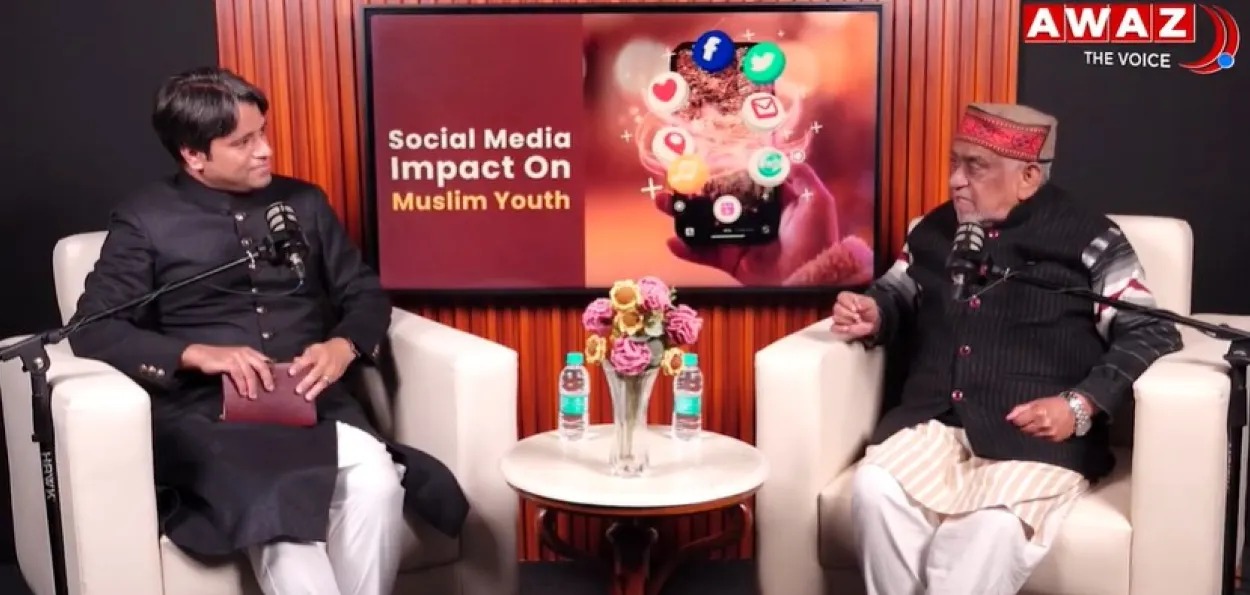
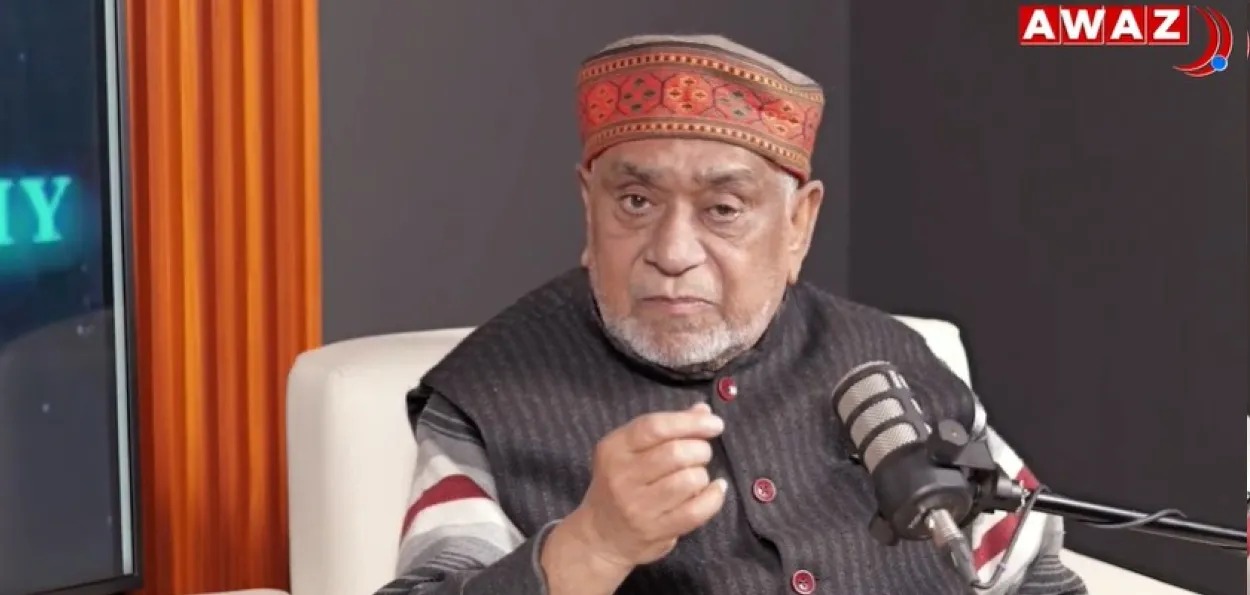
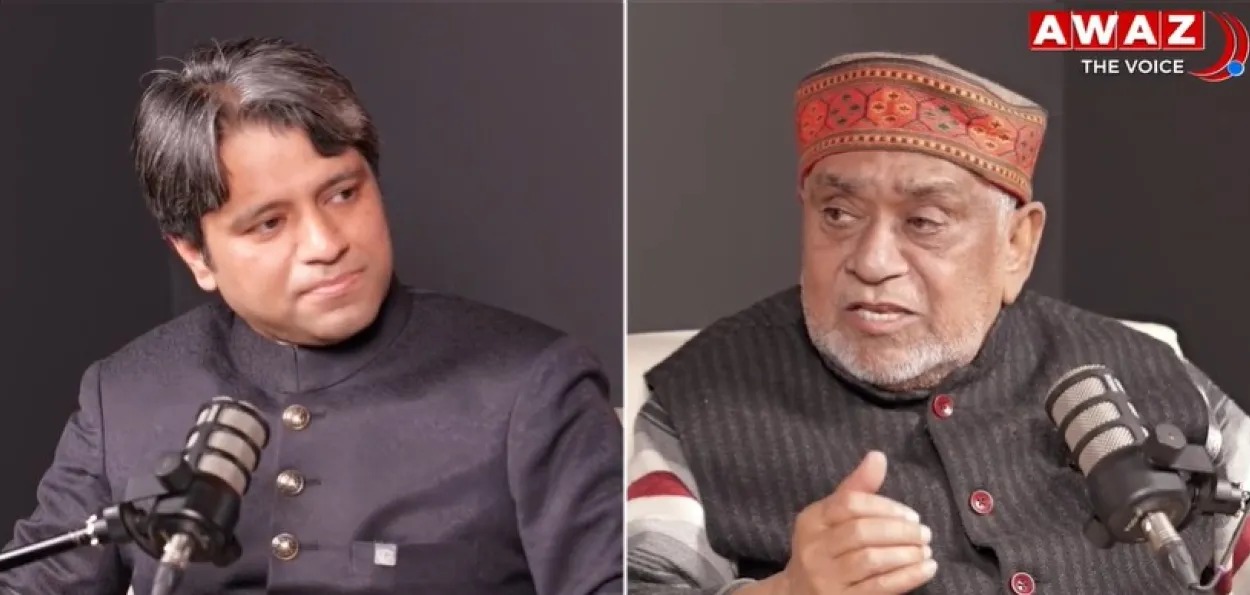
Professor Akhtarul Wasey (Ex Professor JMI, New Delhi) expressed these views during the special podcast “Deen aur Duniya” by Awaz the Voice. In conversation with host Saqib Saleem, he discussed important social issues including social media behavior, misinterpretation of religion, social responsibility, and communal harmony. He emphasized that irresponsible remarks and emotionally driven interpretations in the name of religion are creating widespread misunderstandings.
Speaking about the careless use of sensitive religious terms such as “kafir”, Professor Wasey stated that discussing religion is not problematic, but issues arise when individuals without proper religious education begin interpreting religious teachings. He stressed that commentary on religious matters should ideally come from those who are formally trained in religious sciences such as the Quran, Hadith, Tafsir, and Fiqh.
Social Media and Religion
During the discussion, it was highlighted that the pursuit of visibility on social media has, in some cases, turned religion into a tool for propaganda. This has not only increased misconceptions about Islam among non-Muslims but has also fostered feelings of superiority and inferiority within segments of the Muslim community. He observed that what may appear as superiority is sometimes an expression of deeper feelings of inferiority.
Democracy and Modern Education
Professor Wasey also noted that some people hastily label modern concepts as un-Islamic, including democracy and modern education. Referring to historical examples, he mentioned that modern education was once opposed during the time of Sir Syed Ahmad Khan, but over time, the community adopted a more balanced perspective. He emphasized that something does not become un-Islamic simply because it is declared so by individuals. It is important to distinguish between matters of faith and emotional interpretations of religion.
Respect, Tolerance, and Social Harmony
The discussion also stressed the importance of respecting religious scholars and promoting mutual tolerance. He stated that while everyone has the right to express devotion, forcing personal interpretations on others is not appropriate, as religion does not promote compulsion. He further said that the use of sarcastic or offensive language targeting religious identities harms social harmony, particularly in a country where people of different faiths have coexisted peacefully for centuries.
He also mentioned that Prophet Muhammad (peace be upon him) came to unite humanity rather than divide it. From the hardships in Mecca to the boycott in the valley of Abu Talib, migration to Abyssinia, and life in Madina, he consistently promoted love, peace, and brotherhood. Through the Farewell Sermon, he emphasized unity and human dignity. Although sectarian narratives appear more frequently on social media today, overall extremism appears to be declining, with society gradually moving toward moderation.
On the Issue of Polygamy
Professor Wasey stated that many popular assumptions about polygamy are incorrect. While Islam permits up to four marriages, it does not make it compulsory. The primary condition is justice, which is clearly mentioned in religious texts as something difficult to maintain. He also emphasized that women’s rights are firmly protected in Islam. In practice, most men do not marry multiple times, nor do women abandon their family responsibilities. Life decisions are made according to individual circumstances. If required, household responsibilities may be shared or domestic help can be hired, depending on financial capacity. A man may marry more than once only if he is confident of fulfilling the condition of justice, which is not easy to achieve. He added that this issue should not be misused to target any community.
READ MORE: Anika’s battle for life: Muslims extend a helping hand
At the conclusion of the conversation, he advised people to avoid symbolic or superficial expressions of religion that do not reflect the simplicity of the Prophetic era or the practices of the Companions. He emphasized that religion should be represented in a simple, authentic, and humane manner. Overall, the message highlighted that mutual respect and moderation are the best paths toward social balance and harmony.









_(1).jpg)
_(4).webp)