Munni Begum/Guwahati
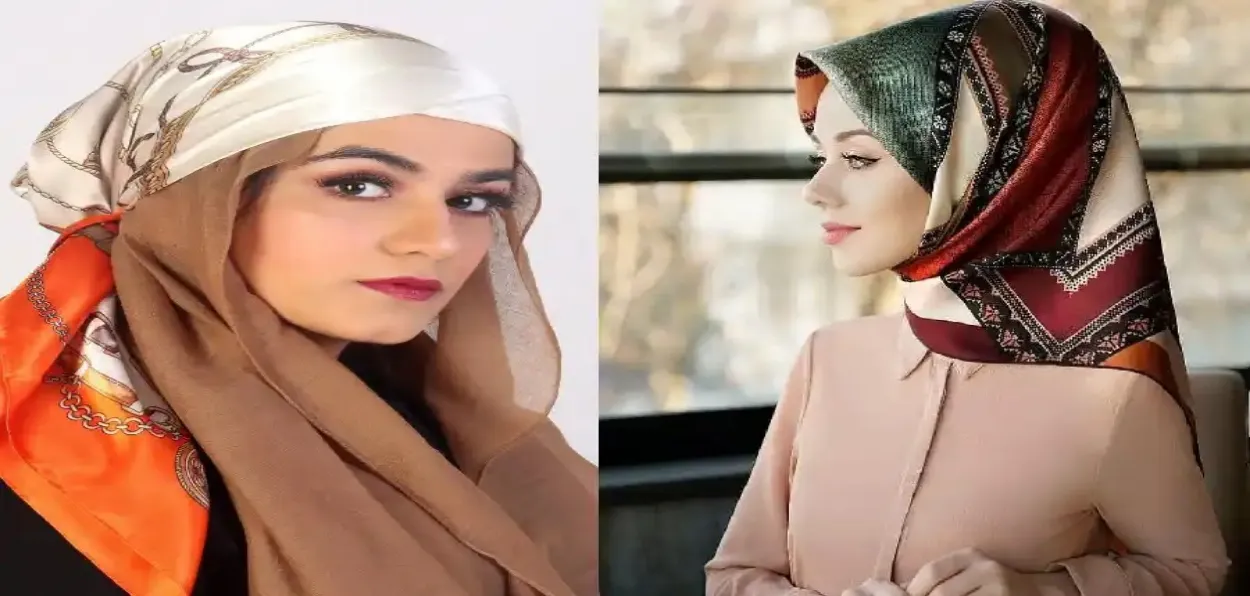
Once regarded solely as a symbol of religious identity and modesty, the hijab has acquired a new significance among Muslim women in Assam. Alongside faith, it is increasingly seen as a marker of personal expression, self-confidence and fashion. From schools and colleges to workplaces, social gatherings and social media, hijabs in a variety of colours, patterns and styles have become a prominent part of contemporary life.
As the trend of wearing the hijab grows among both young and elderly women across Assam, market demand has also risen significantly. Hijabs made from cotton, chiffon, georgette and silk are now widely available, with sales peaking during Eid, wedding seasons and other social occasions.
Speaking to Awaz-The Voice, Jerifa Islam said, “Today, many women wear the hijab for different reasons. In my opinion, it is not a matter of compulsion but a personal choice linked to one's spiritual beliefs. Wearing the hijab gives me mental peace and makes me feel closer to Allah. At the same time, it is comfortable and helps protect hair and skin from dust, sunlight and other external factors. Nowadays, many people also wear the hijab as part of fashion. I believe it adds a unique dignity and modesty to a woman’s beauty.”
Her views reflect a growing perception among women that the hijab is not merely a religious obligation but also a personal choice, spiritual experience and lifestyle preference.
A global trend known as “modest fashion”, which balances style with modesty, has also influenced women in Assam. Recognising the growing demand, local businesses have introduced a range of hijabs and modest fashion products.

A working woman, Monijan Begum, said, “The hijab is a traditional scarf that Muslim women have worn for generations. It symbolises modesty, faith and cultural identity. Earlier, many Muslim women in Assam covered their heads with a chadar or the end of a saree, but the use of the hijab has increased considerably. Besides religious beliefs, many women now see it as an expression of modesty and self-respect. With hijabs available in various colours, designs and fabrics, many women and girls have incorporated them into their daily lives.”
She added, “Earlier, we mainly viewed the hijab as a symbol of religious identity and obedience. While that remains true, it also offers practical benefits. It provides some protection from sunlight, dust and pollution, reducing damage to hair and scalp. Covering the head and ears during winter can help retain body warmth. However, if worn too tightly or made from unclean fabric, it may cause sweating, itching, fungal infections or even hair loss. Therefore, using clean and comfortable fabrics is important.”
“The hijab helps many women feel confident and comfortable. It also encourages people to value personality, knowledge and achievements rather than focusing solely on appearance. As awareness has grown, more women and girls are choosing to wear the hijab according to their own preferences and beliefs,” she said.
Social media has played a major role in this transformation. The popularity of modest fashion content on Instagram, Facebook and YouTube has resonated with Assam’s younger generation. Many young women now coordinate their hijabs with their outfits, blending modernity with modesty.
Another young woman, Aparna Das, said, “Whether in Islam, Hinduism or other religions, traditions of modest dressing have long existed. Women have used veils or coverings in keeping with their cultural and religious identities. From that perspective, I see the hijab as one form of such a covering. There should be no compulsion; it is a matter of personal choice and comfort.”

She added, “I often cover my head and face with a scarf while going to school, college, office or the market because of increasing pollution. Dust, smoke and harmful sunlight can affect hair and skin. Today, many young women wear the hijab or similar coverings not only for religious or cultural reasons but also for skincare, haircare, confidence and personal comfort.”
ALSO READ: Trailblazing Naheed Muqueetulla reinvents Indian denim through Urbano
In today’s changing social landscape, the hijab is no longer viewed solely as a religious garment. For many women, it has become a symbol of identity, self-confidence, modesty and modernity. This fusion of faith and fashion has given the hijab a new dimension within Assam’s Muslim society.


.webp "Rocks bearing inscription in ancient Arabic excavated in Saudi Arabia's Madina region")






.webp "Tasir Ali with his five sons donning uniforms")



_(1).webp)