




Basit Zargar/Tulla Mulla (Kashmir)
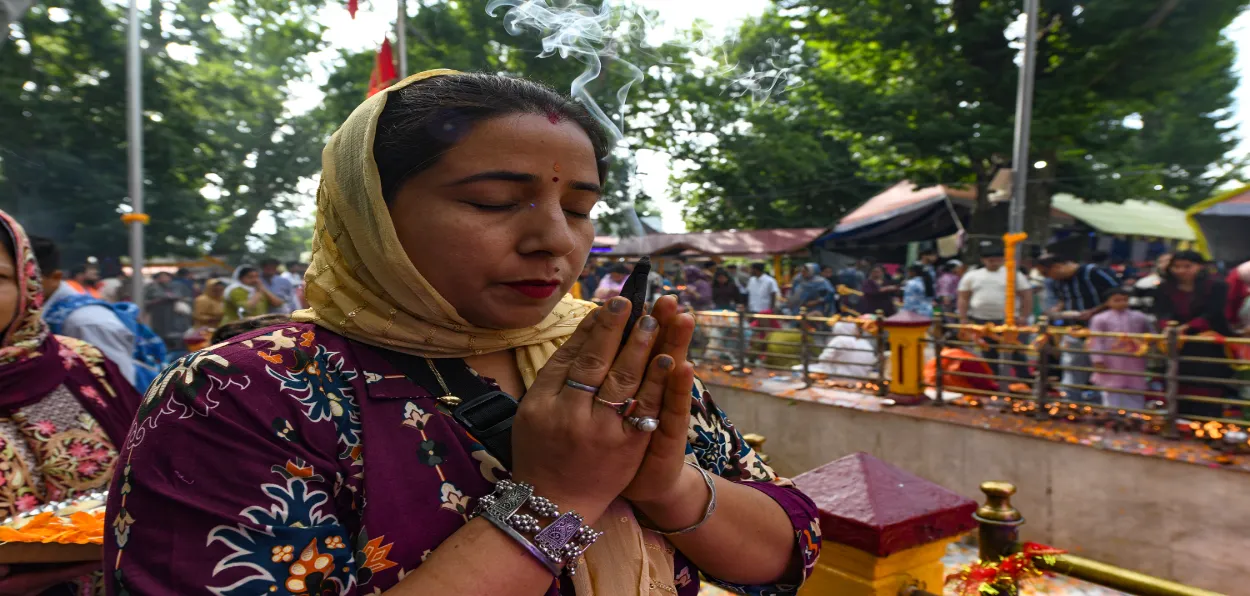
As thousands of Kashmiri Pandits from different parts of India have converged at the shrine of Mata Kheer Bhawani in Tuamulla village of Ganderbal in north Kashmir for the annual festival of Jyeshtha Ashtami, the Chinar-studded shrine has turned into a symbol of the community’s resilience and bond with their land and culture.
Jyeshtha Ashtami, the eighth day of the Samvat Calendar’s third month, is a festival of faith in the Goddess (Shakti, the female divine) incarnate as Mata Ragnya here.
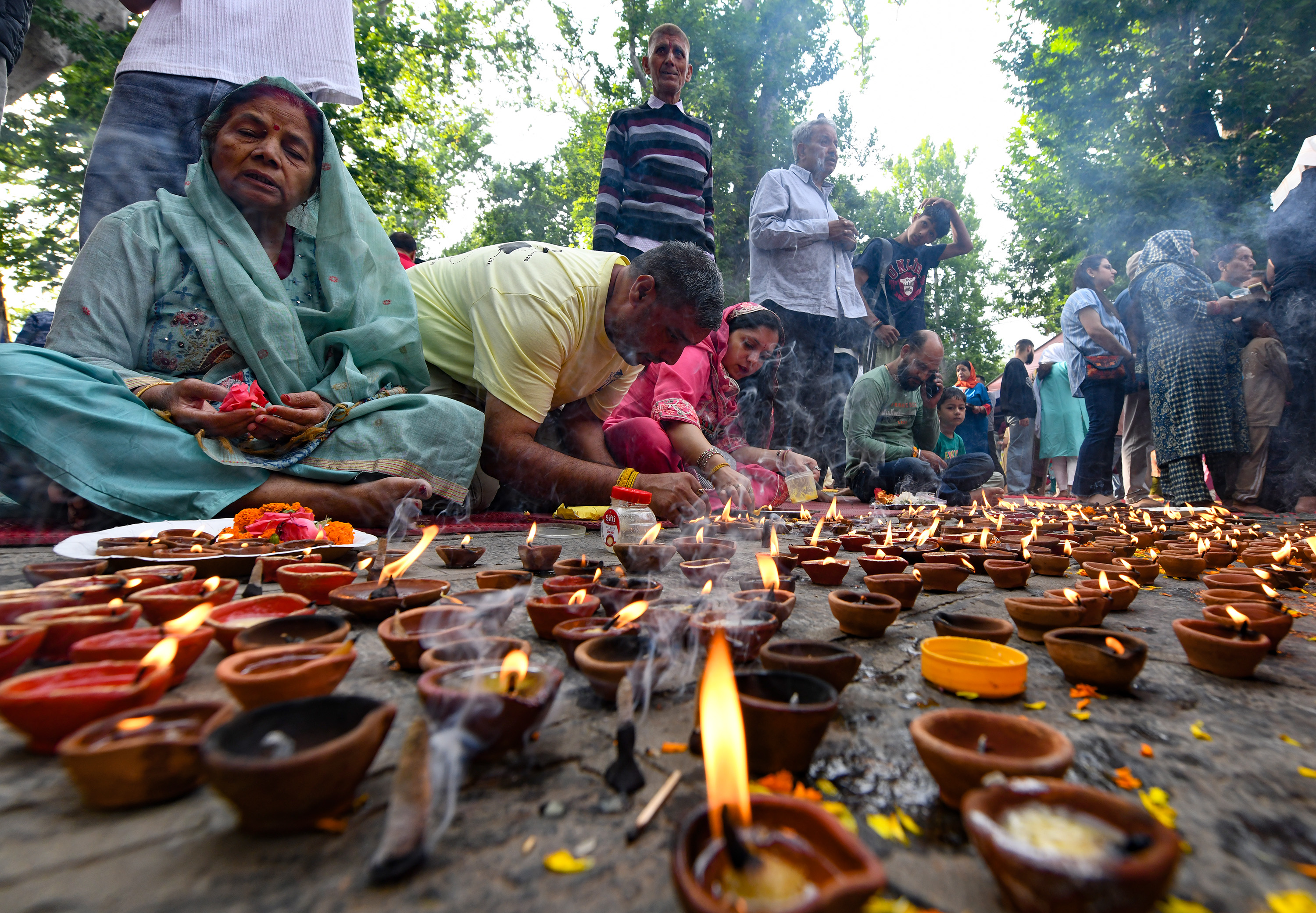
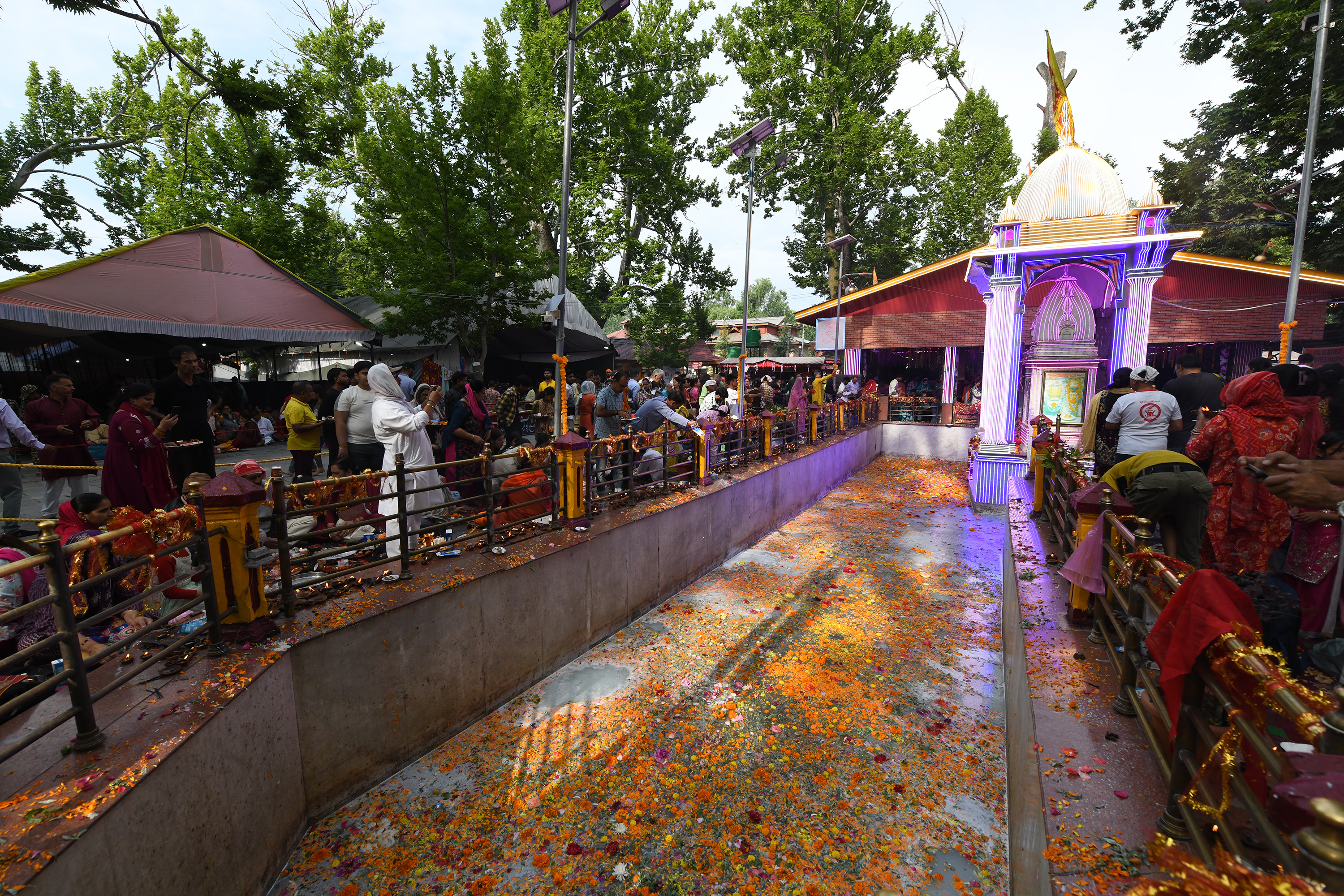
There may be hardly a Kashmiri Pandit who doesn’t have fond memories of visiting the temple, spending a night under the shade of chinar and offering diyas to Goddess. The small shrine of the goddess stands in the middle of a spring the waters, which change colour – green to shades of sky to red and even black.
Kashmiris believe the colours of the ‘naag’ spring waters indicate the divine mood. Decades ago, when the waters of Naag turned greyish black while devotees were performing sandhya Aarti. Later, it turned out that a major wholesale market of Srinagar - Maharajgunj, was on fire and goods and property worth millions were gutted in it. The Naag regained its blue hue only after the fire had been put out.
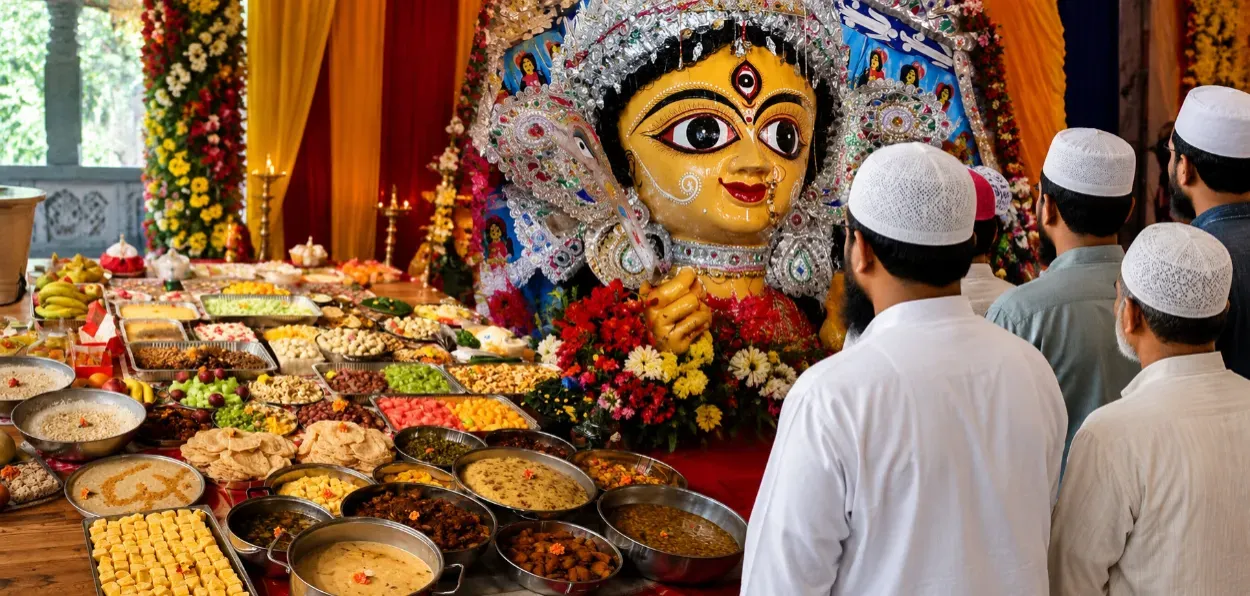
It may be a Hindu shrine but the local Muslims also show their reverence o the Goddess “Maej Bhawani. Local would sell flowers, diyas, milk bottles at the shrine for Hindu devotee.
During the years of terrorism, a local Hibzul Mujjahideen militant commander from Tullamulla had reportedly warned all’ tanzeems’ Against attacking the shrine. Though some initial rockets fired at the shrine fell short of it, it was left untouched by terrorists.
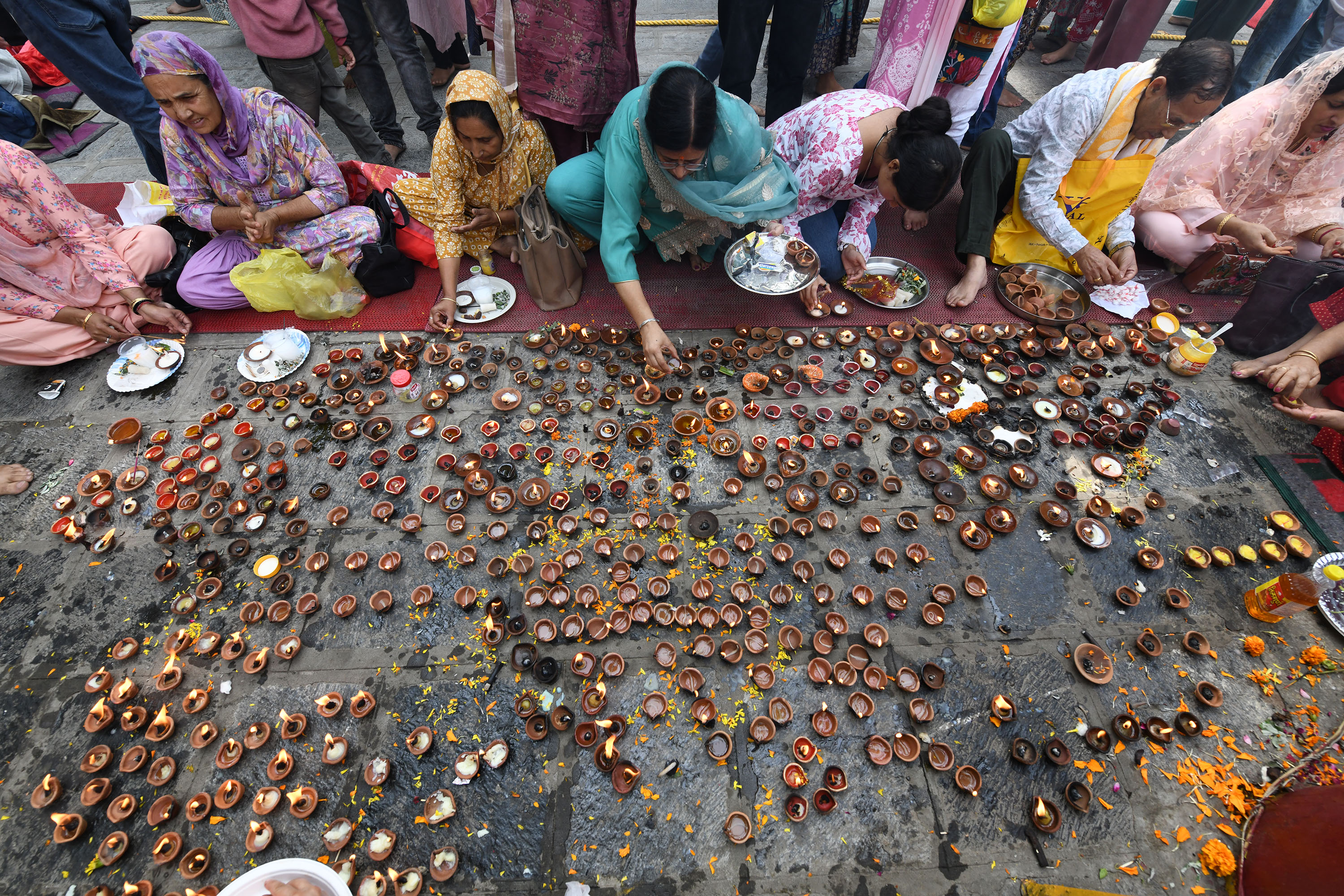
This day is one of the most important and sacred festivals for the Kashmiri Pandit community.
he atmosphere was charged with chants of “Bhawani Mata Ki Jai” and a strong spirit of communal harmony. The number of devotees attending the annual Mela is seen more this year than previous years. By sunrise, the temple complex and the sacred spring were packed with devotees offering ‘kheer’ — milk and rice — to Goddess Ragnya Devi. Many arrived overnight from Srinagar, Jammu, Delhi, and other states. Long queues formed for darshan, but volunteers and security personnel ensured smooth movement.
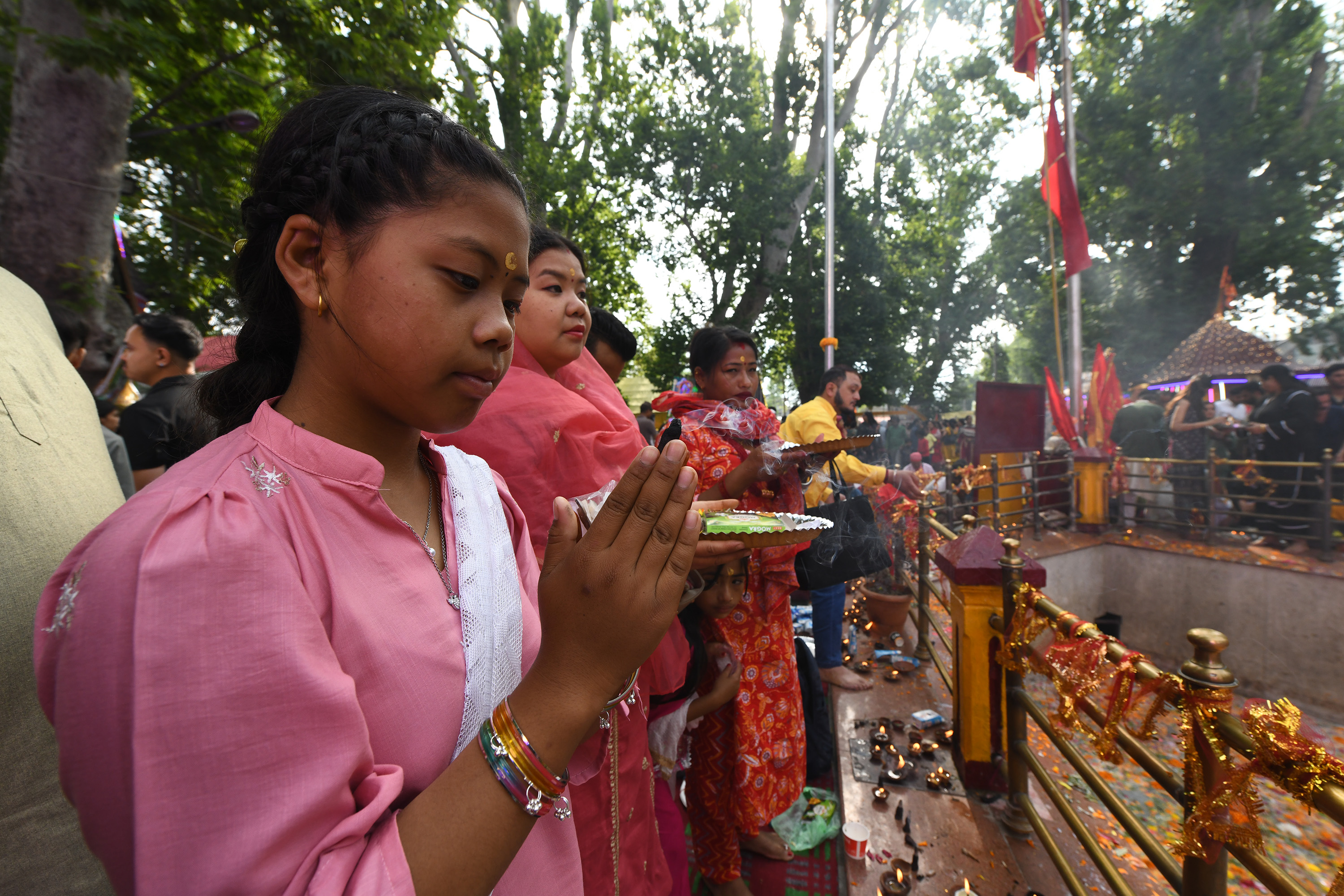
“This is our annual homecoming. Tulmulla feels like family. Muslim brothers here help us set up, offer water, and guide us,” said Ramesh Koul, a devotee who travelled from Jammu.
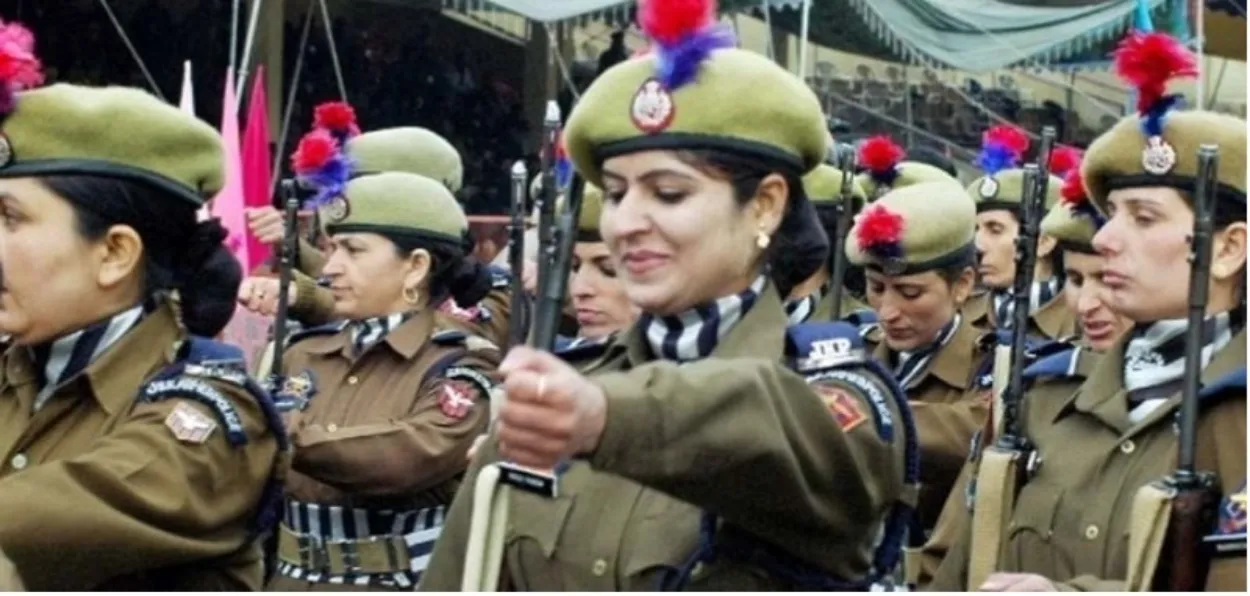
Multi-layer security by JKP, CAPF, and traffic police. CCTV and drones monitored crowds. What stood out was Tulmulla’s famed brotherhood. Local Muslim residents opened their homes for devotees, set up free tea stalls, and helped manage the crowd.
ALSO READ: Down memory lane to Kheer Bhawani mela in Kashmir
“Our forefathers have protected this shrine. Kheer Bhawani is Kashmiriyat in its purest form,” said Bilal Ahmad, a local from Tulmulla serving water.

.jpg "Gujarat’s women entrepreneurs bring their craftsmanship to life during Navratri")









.webp)