Ariful Islam/Guwahati
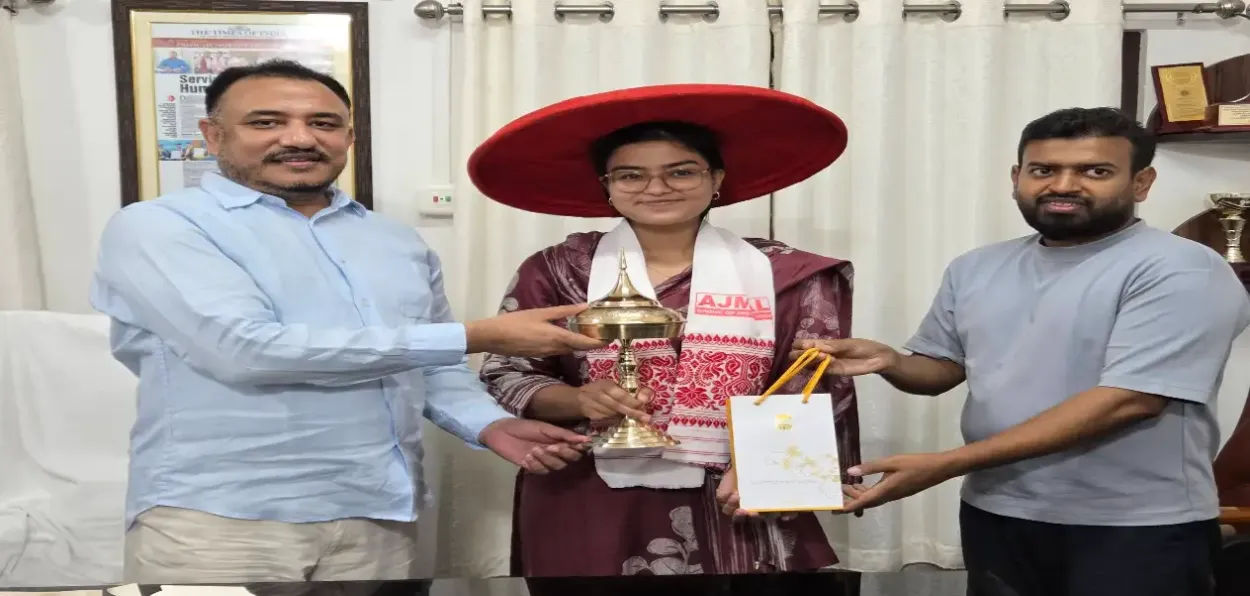
Sania Begum of Moria Gaon (Jaintipur) in Kaliabor is the first woman from her village to become a doctor from the indigenous Assamese Muslim Moria community.
Daughter of retired Army officer Alhaj Badirat Ali and Ruzna Begum, Dr Sania completed her MBBS degree with distinction from Assam Medical College and Hospital (AMCH), Dibrugarh, this year. She is doing her internship at the same institution.
Sania did her schooling at 'Shishu Vidyapeeth Kuwaritol' Higher Secondary School, Kaliabor. She later joined Ajmal Super-40 for her Higher Secondary education and cleared the NEET examination on her very first attempt.
In an interview with Awaz-The Voice, Sania said, “I am currently doing my internship. After that, I will have to serve patients for a year in rural areas. Then I will appear for the NEET-PG examination. The marks obtained in that examination will determine the medical speciality I pursue.”
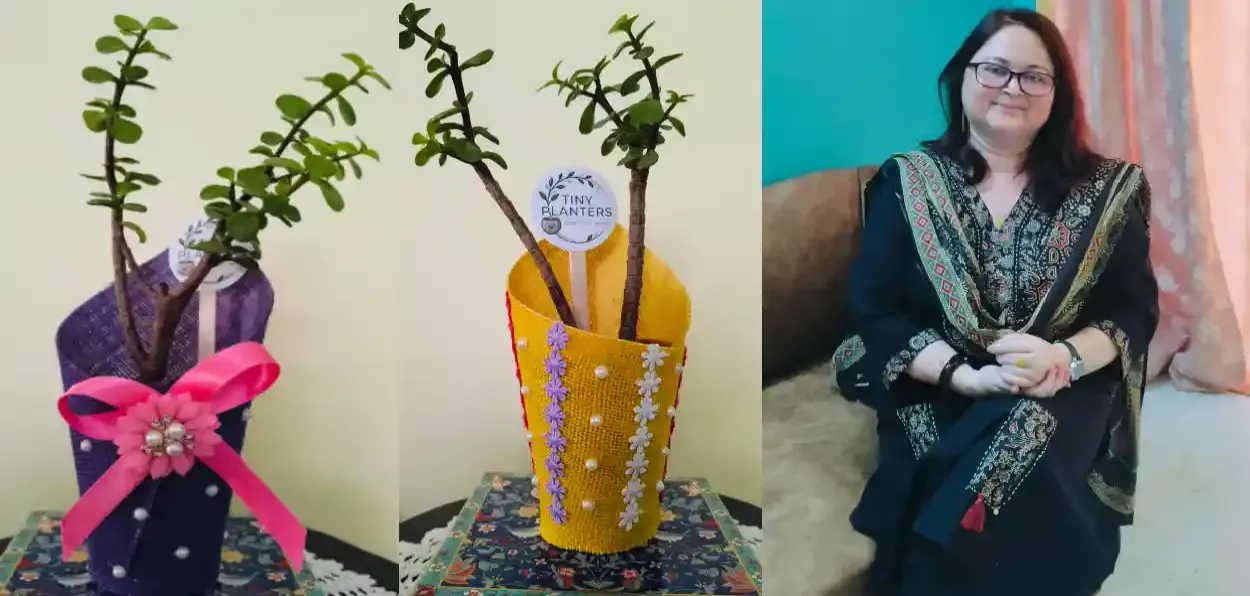
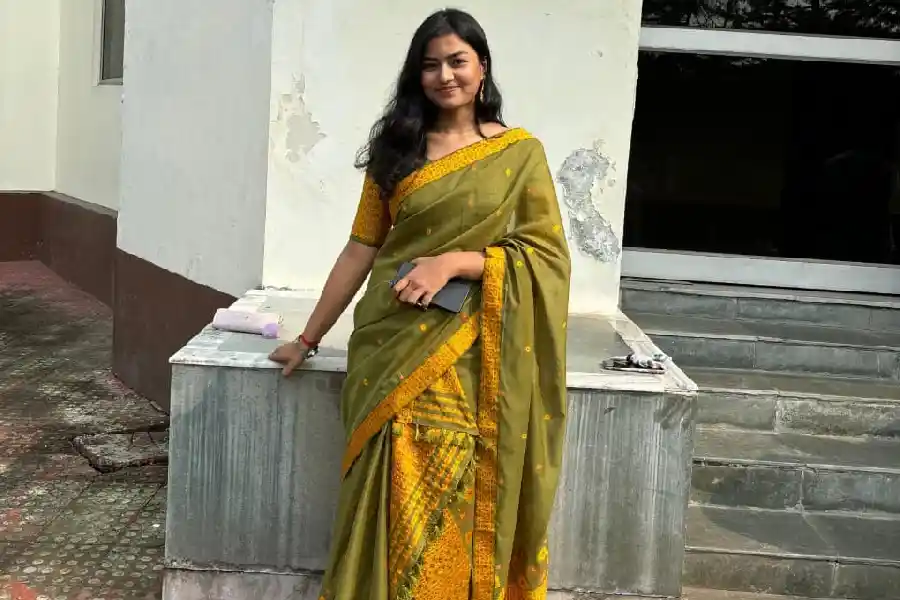 Dr. Sania Begum
The Moria community is celebrating Sania’s achievement in a big way. Reflecting on the recognition she has received, she said, “Various organisations and groups have honoured me, and local people have shown immense affection and appreciation. I feel proud to be the first woman doctor from our 600-year-old community.”
“Young people can achieve anything with focus and dedication. They should never lose sight of their goals. Our Moria community is still relatively backward in terms of education and economic development. Greater effort, determination and awareness are needed for progress,” she said.
Sania’s father, Alhaj Badirat Ali, expressed his gratitude to Sania's school teachers and Ajmal Super-40 for her daughter's success.
He added, “Our 600-year-old Moria community remains educationally and economically backward. For my daughter to emerge from such a community and become its first woman doctor is a feeling beyond words.”
Speaking about the history of the Moria Muslims, Badirat Ali referred to a longstanding oral tradition within the community.
According to historical accounts, during the Mughal invasion of Assam in 1527 AD, a battle took place between the Mughals and the Ahoms at Shilghat in Kaliabor. Around 900 Mughal soldiers were reportedly captured during the conflict. Later, they were released and allowed to settle in Assam. Members of the present-day Moria community are believed to be descendants of those settlers.
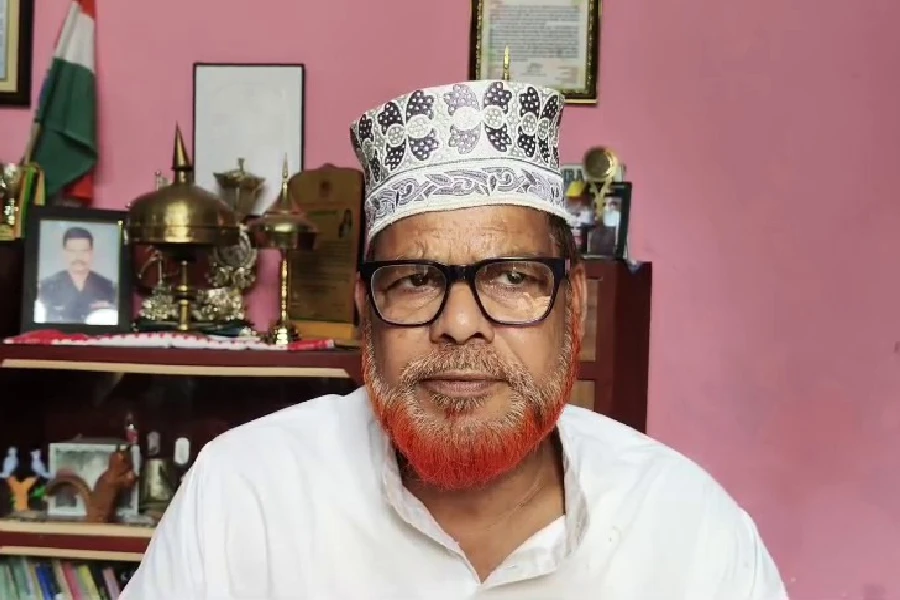 Alhaj Badirat Ali
According to local tradition, many of the captured men were not warriors but skilled technicians and artisans. They were known for their expertise in metalwork, including crafting brass utensils, decorative finials for mosques and temples, and other specialised works. Even today, temple-style finials can be seen atop both the Small Mosque and the Big Mosque of Kaliabor, reflecting this unique heritage.
Today, the Moria community's estimated population of 5 lakh people live across 120 villages in Assam. Despite their rich history, the community's literacy rate is abysmally low at 2–3 per cent, and female literacy is around 1 per cent.
Against this backdrop, Sania Begum’s historic achievement stands as a powerful symbol of hope and progress.
ALSO READ: Syeda Saiyidin Hameed reached top positions despite her activism
Her success is expected to inspire countless young boys and girls from the Moria community to pursue education and strive for greater opportunities in the years ahead.

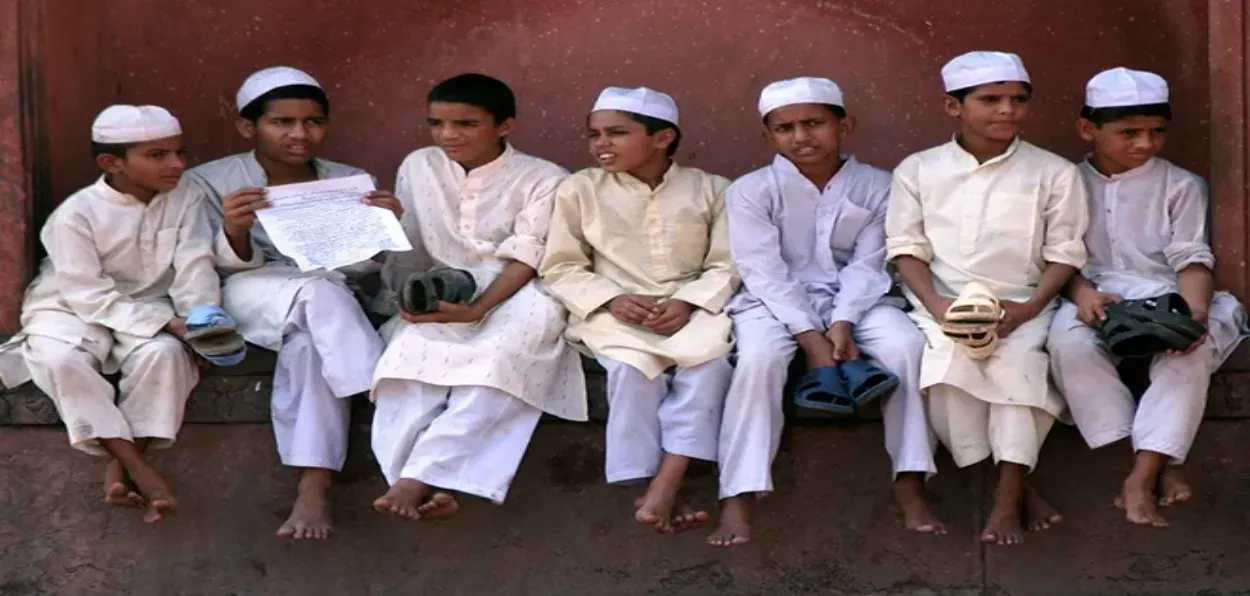
.webp "Representational Image")









_(1).webp)