New Delhi
The BJP on Monday termed Prime Minister Narendra Modi's two-day visit to Uzbekistan as "historic", highlighting agreements and initiatives in the areas of uranium supply, trade, critical minerals and preservation of Buddhist heritage.
India and Uzbekistan on Sunday decided to elevate their ties to a comprehensive strategic partnership and set a target of USD 5 billion in annual bilateral trade by 2030 following talks between Modi and Uzbek President Shavkat Mirziyoyev.
The two sides inked 11 agreements to boost engagement in several key sectors, including mining and tourism, and agreed to establish a framework for long-term supply of uranium from Uzbekistan to India in line with cooperation in the civil-nuclear energy sector.
A letter of intent (LoI) for the restoration and conservation of the ancient Buddhist sites of Fayaz Tepa and Kara Tepa in Termez, Uzbekistan, was also concluded.
Modi was in Uzbekistan on a state visit from August 29 to 30.
Speaking to reporters here, BJP MP and national spokesperson Sudhanshu Trivedi said the Uzbekistan visit was "historic".
"The Uzbekistan visit was historic. The entire country remembers that this is the same Tashkent where, at one point, our former prime minister Lal Bahadur Shastri passed away under mysterious circumstances," Trivedi said.
He said it was believed that at that time there were several "regressive forces" that were opposed to India's self-reliance in nuclear energy.
"It is believed that at that time, there were several regressive forces that were not in favour of India's self-reliance in nuclear energy, which had been initiated by Shastriji," he said.
"Today, after 60 years, from that very country, Prime Minister Narendra Modi has entered into a historic agreement for uranium supply and to establish its continuity to ensure the continuity and stability of our nuclear energy. This is a milestone for India's energy requirements in the future," Trivedi said.
He said the development also demonstrated how the course of history has changed over the past six decades.
"It also shows that in these 60 years, the course of history has completely changed under the Modi government," he said.
Trivedi said the prime minister's visit was important from the perspective of India's energy requirements and strategic interests, besides trade and critical minerals.
"During the prime minister's visit, from the perspective of our energy requirements and strategic vision, apart from uranium supply, a target has been set to increase trade from one billion dollars to five billion dollars by 2030," he said.
"An agreement has also been reached for the supply of critical minerals. Therefore, from the trade perspective also, this is important," Trivedi said.
He said an important decision had also been taken during the visit from the perspective of India's ancient cultural ties with Uzbekistan.
"During this visit, from the perspective of India's ancient cultural relations, an extremely important decision has been taken, with the restoration and conservation of the Buddhist sites in the Termez region of Uzbekistan being taken up," he said.
Trivedi also highlighted the provision of 100 scholarships for Hindi in the name of Lal Bahadur Shastri and the establishment of an ICCR Sanskrit Chair at Tashkent State University of Oriental Studies.
"The Government of India has arranged 100 scholarships for Hindi in the name of Lal Bahadur Shastri ji, and an ICCR Sanskrit Chair has been established at Tashkent University," he said.
He said these initiatives demonstrated India's efforts under Modi to revive its ancient cultural ties while building closer cultural relations with other countries.
READ MORE:Simab Khan's rise from a notorious slum to becoming a civil servant
"So we can say that from the restoration and conservation of the Prambanan Temple Complex in Yogyakarta, Indonesia, to the conservation of the Buddhist sites in Termez, Uzbekistan, this demonstrates that under the leadership of Prime Minister Modi, India is successfully reviving its ancient cultural ties and establishing close cultural relations with every nation," Trivedi said.

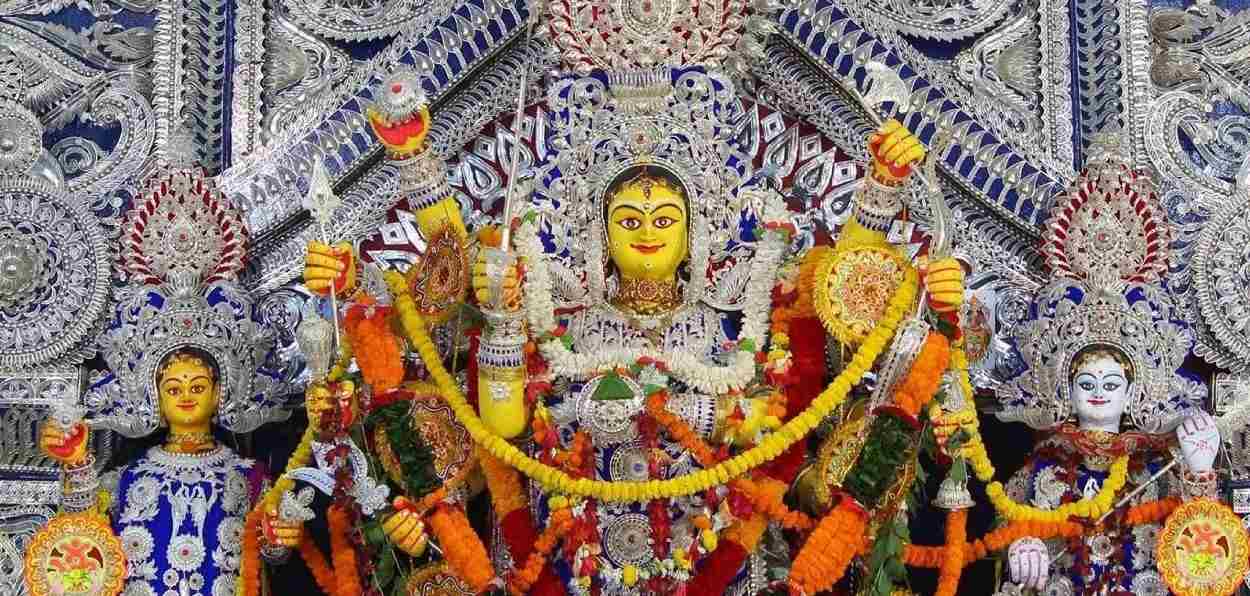
_(1).jpg "Visitors gather at the Santosh Mitra Square Durga Puja pandal, themed on the 150th anniversary of Vande Mataram and its historic role in India's freedom movement, ahead of the festival, in Kolkata")
.jpg "Gujarat’s women entrepreneurs bring their craftsmanship to life during Navratri")





.webp "Defence Minister Rajnath Singh")
.jpg "Katie Zacharia pulled from WSJ interview moments before White House firing.")

.webp)