Dubai
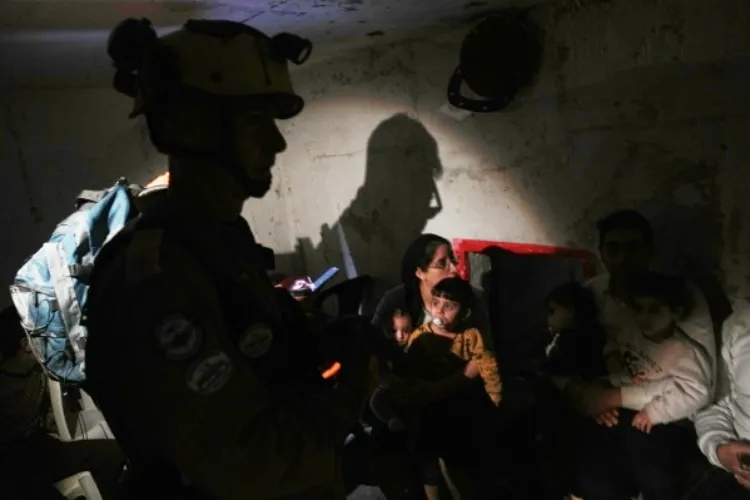
Tensions in West Asia continued to intensify as Iran targeted a tanker off the coast of Qatar and struck infrastructure in Gulf states, while Israel carried out fresh airstrikes in Beirut, killing at least five people.
The latest developments come amid the ongoing conflict involving Iran, the United States and Israel, which has already claimed over 3,000 lives and severely disrupted global energy markets.
A tanker near Qatar’s coast was hit by a projectile early Wednesday, though reports indicated the crew remained safe. In Kuwait, a drone strike triggered a fire at a fuel tank in Kuwait International Airport, while Bahrain reported missile alerts and a fire at a business facility following an Iranian attack.
Iran has intensified strikes on Gulf infrastructure and shipping lanes, with more than 20 vessels reportedly targeted since the conflict began. The situation has raised concerns over maritime security in the strategically vital Strait of Hormuz, through which about one-fifth of the world’s oil supply passes during peacetime.
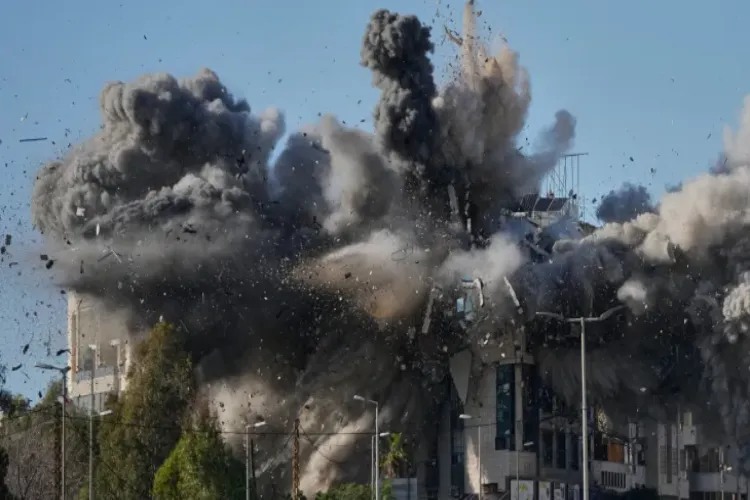
Simultaneously, Israel launched airstrikes in Lebanon, including in Beirut, where at least five people were killed and over 20 injured, according to local authorities.
The strikes are part of Israel’s broader offensive against Iran-linked groups such as Hezbollah, which has been engaged in cross-border hostilities since the war escalated.
Israel also claimed to have targeted a facility in Iran allegedly linked to fentanyl production for military purposes—an assertion denied by Tehran, which said the plant was used for medical supplies.
Despite escalating violence, there are tentative signs of backchannel communication. Donald Trump indicated that Washington had been in contact with Tehran regarding a possible ceasefire, though Iranian officials maintained that trust remains “at zero” and denied direct negotiations.
The US has reportedly proposed a multi-point plan that includes reopening the Strait of Hormuz, but Iran insists on retaining control over the waterway.
The conflict continues to rattle global markets, with oil prices surging over 40 per cent since late February. Disruptions in supply chains and shipping routes have led to rising fuel costs worldwide, affecting economies far beyond the region.
READ MORE: Aneesa Sayyad: The ‘Golden Girl’ of Indian shooting
With no immediate ceasefire in sight and military actions expanding across multiple fronts, fears are growing that the conflict could widen further, deepening instability in the Gulf and beyond.














_(1).webp)




.webp)