Tehran
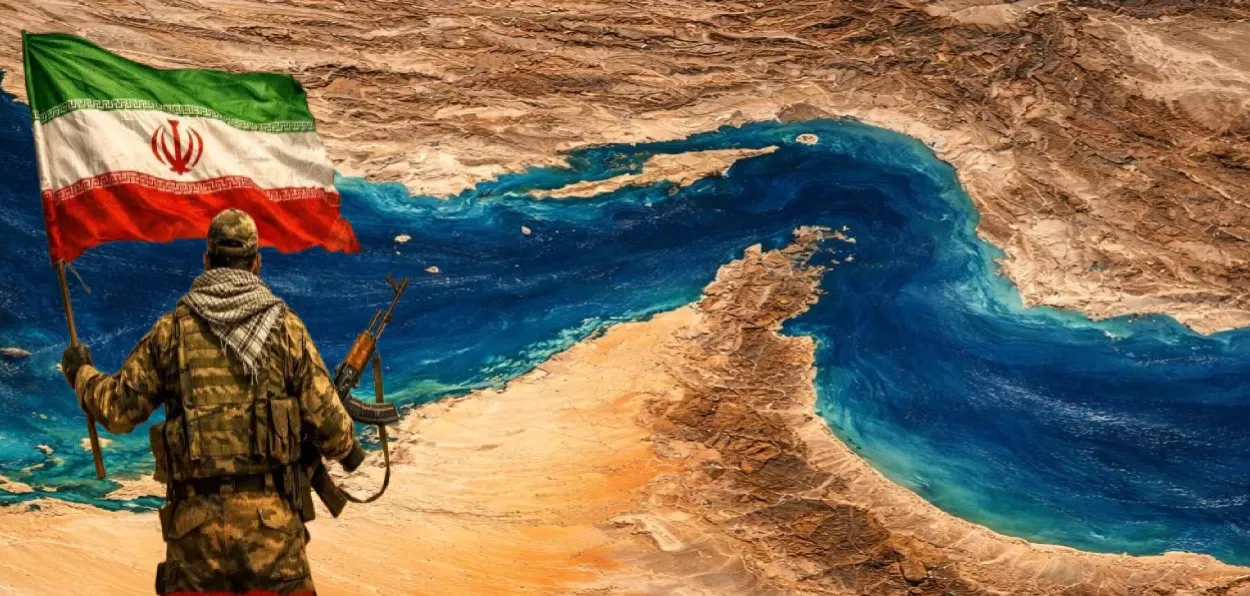
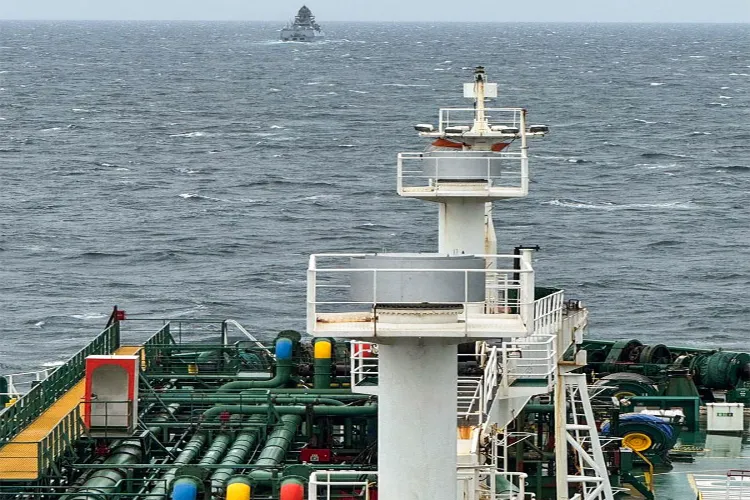
Ongoing tensions in West Asia have intensified pressure on the strategically vital Strait of Hormuz, with a new report suggesting tighter controls on vessel movement through the passage.
According to maritime publication Lloyd's List, Iran’s Islamic Revolutionary Guard Corps (IRGC) is effectively regulating traffic through what has been described as a “controlled corridor” system. Under this arrangement, ships are required to submit detailed documentation, obtain clearance codes, and move under IRGC supervision.
The report noted that since March 13, at least 26 vessels have transited the strait using routes approved under this system. Data also indicated that conventional shipping paths have largely remained unused since mid-March.
However, India has dismissed claims of any formal toll or levy on vessels passing through the strait. A senior official from the Ministry of Shipping reiterated that the route is governed by international maritime law, which guarantees freedom of navigation and does not permit such charges.
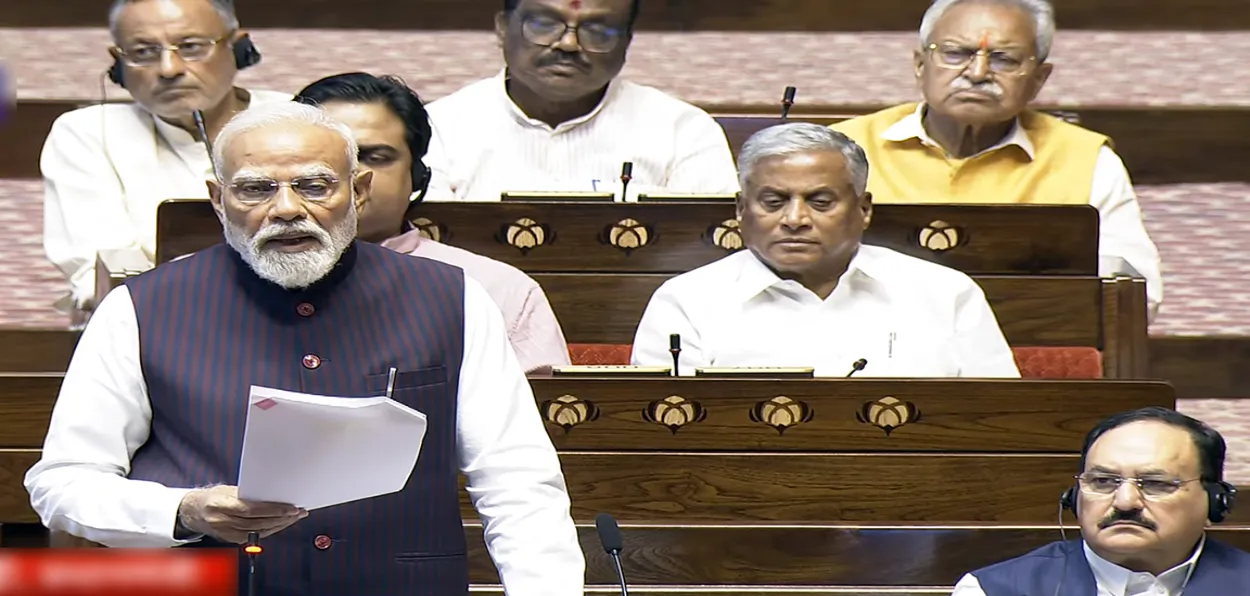
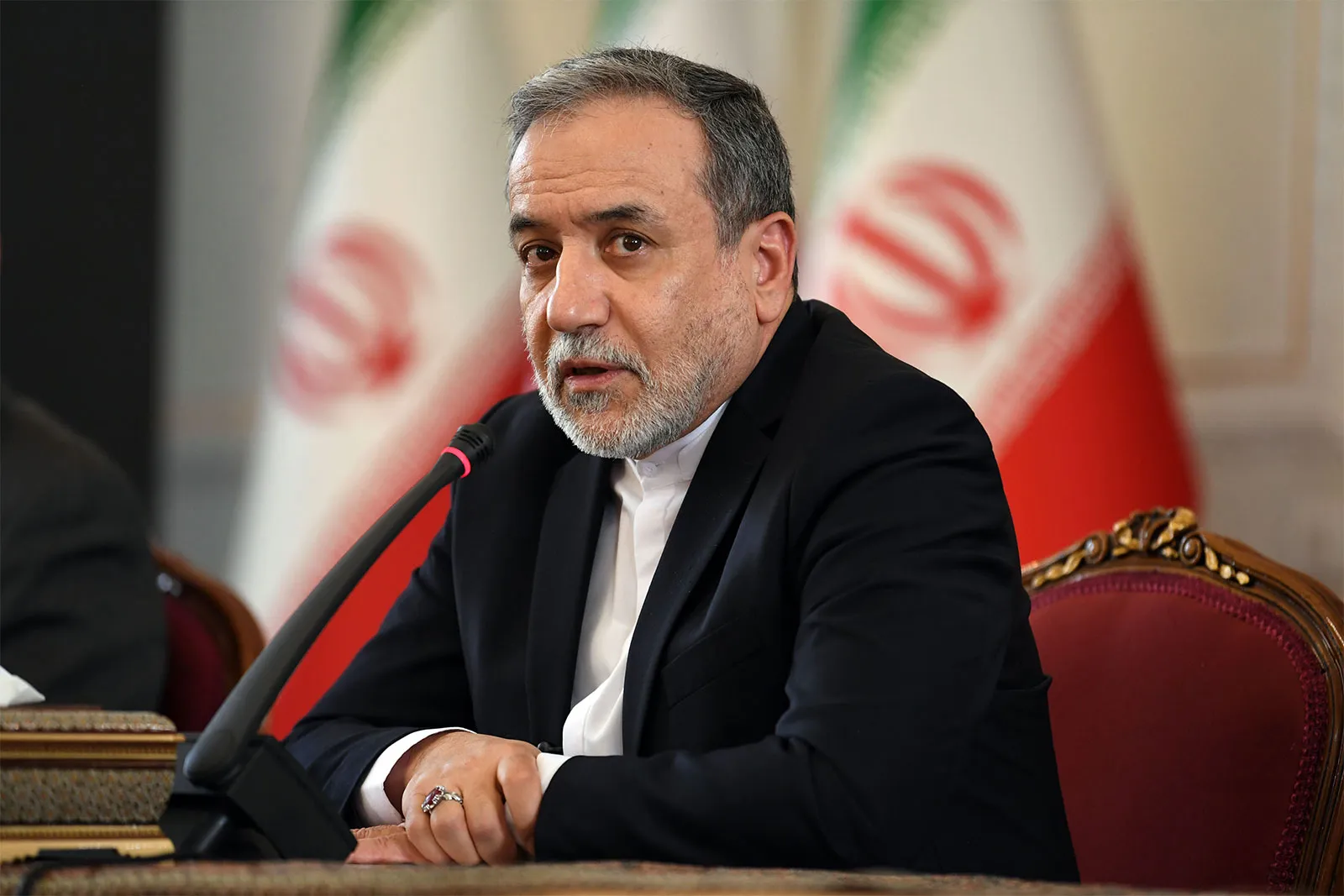
Meanwhile, Abbas Araghchi stated that Iran continues to allow passage for vessels from “friendly nations,” including India, China, and Russia. Iranian authorities have also clarified that ships considered “non-hostile” can pass through, provided they comply with safety protocols and coordinate with officials.
At least five India-bound vessels have reportedly crossed the strait safely in recent days, with some expected to reach ports later this week.
Iran has further emphasised that future transit will depend on prior coordination with its authorities, signalling a more controlled approach to movement through the key waterway.
READ MORE: Pilot Hana Mohsin Khan defies social and religious stereotypes
Amid rising concerns, António Guterres urged de-escalation, warning that any prolonged disruption in the strait could severely impact global supplies of oil, gas, and fertilisers, especially at a critical time for agriculture.
.gif)







.webp "Representational Image")
.webp "US President Donald Trump")
.webp "Journalist and former MOS M J Akbar")