New Delhi
Shipments of Iranian crude oil have arrived at Indian ports for the first time in nearly seven years, following a temporary sanctions waiver by the United States, according to shipping data.
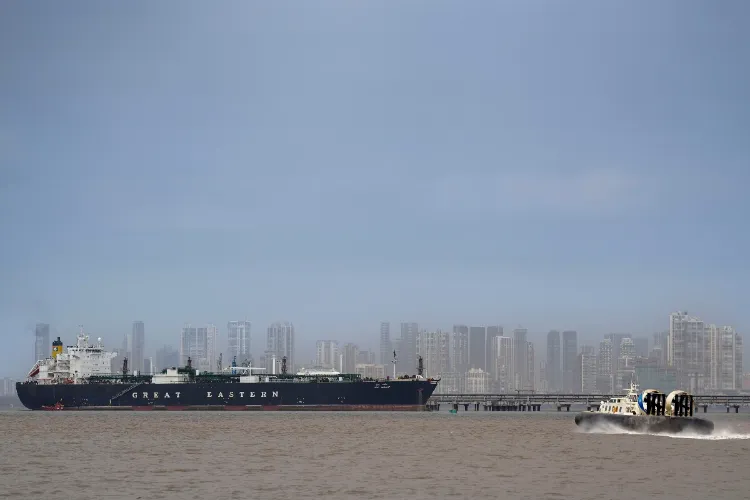
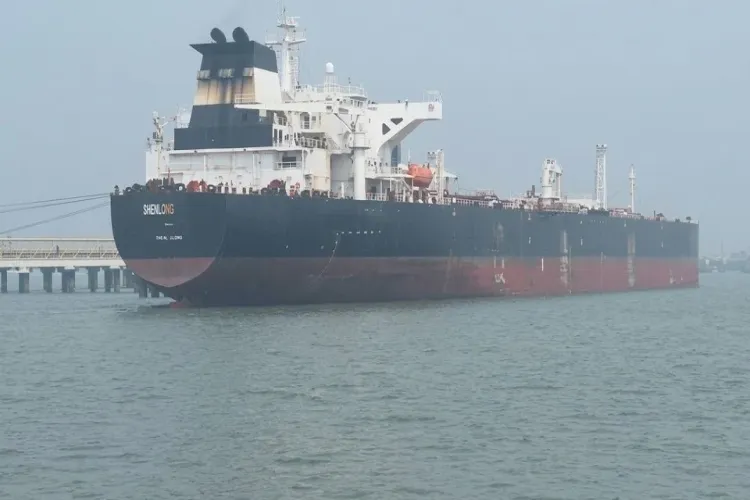
A very large crude carrier, Felicity, operated by the National Iranian Tanker Company, anchored near Sikka carrying around 2 million barrels of oil loaded from Kharg Island. Around the same time, another tanker, Jaya, docked close to Paradip with a similar quantity of crude.
These deliveries mark the first Iranian oil cargoes to reach India since 2019, when imports were halted due to tightened US sanctions. The recent one-month exemption allowed limited sale of Iranian oil already in transit, aimed at stabilising global supplies and moderating prices.
However, the situation remains uncertain after the breakdown of peace talks and the subsequent move by Washington to impose a blockade on Iranian ports to restrict Tehran’s oil revenues.
While the buyers of the latest cargoes have not been officially disclosed, Indian Oil Corporation has confirmed purchasing at least one shipment. The Sikka terminal serves as a major hub for companies such as Reliance Industries and Bharat Petroleum Corporation Limited.
In a related development, a tanker named Ping Shun, carrying about 600,000 barrels of Iranian crude and initially headed for Vadinar, was diverted to China due to payment complications.
India was once a key importer of Iranian crude, sourcing both Iran Light and Iran Heavy grades due to their compatibility with domestic refineries and favourable pricing. Imports stopped in May 2019 after sanctions were tightened. At its peak, Iranian oil accounted for over 11 per cent of India’s total crude imports, with volumes reaching about 518,000 barrels per day in 2018.
READ MORE: Ayesha Tabassum’s journey from breaking news to building narratives
The current waiver, set to expire on April 19, has temporarily opened the door for limited trade. Estimates suggest around 95 million barrels of Iranian oil are currently at sea, with a significant portion potentially available for buyers like India, while the rest is more suited to markets in China and Southeast Asia.












.webp)




_(1).webp)