New Delhi/Tehran
Amid escalating tensions in West Asia, reports emerging from Iranian state media on Wednesday indicated that the United States and Iran are working on a draft memorandum of understanding aimed at reducing hostilities and restoring stability in the Strait of Hormuz.
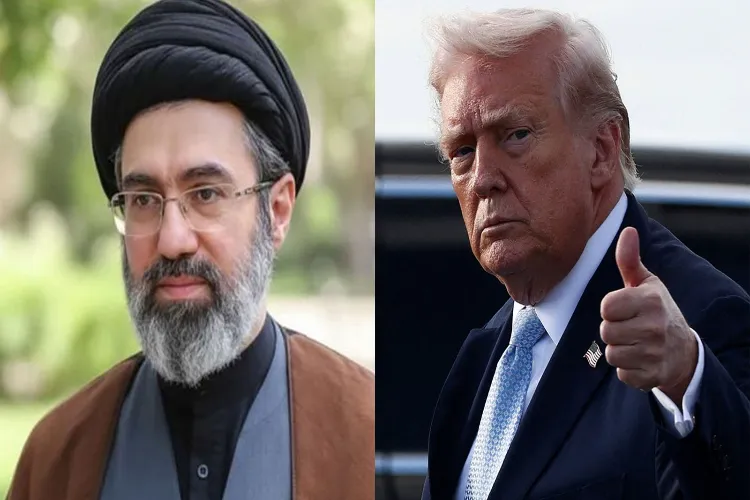
According to the reports, US President Donald Trump is holding consultations with senior officials to finalise a possible agreement that could help reopen disrupted maritime trade routes and ease military tensions in the region.
The proposed framework reportedly lays out a phased plan to de-escalate the conflict while addressing key economic and security concerns of both sides.
Under the draft arrangement, Iran would resume normal commercial shipping operations through the Strait of Hormuz within 30 days, restoring traffic to pre-conflict levels. Iran and Oman would jointly oversee shipping coordination in the strategic waterway, although the current proposal does not include US military vessels in the transit mechanism.
In return, the United States is expected to reduce its military presence around Iran, though details regarding troop withdrawals or regional bases are still under discussion.
The draft also reportedly calls for the lifting of the US naval blockade, a move considered essential for reviving commercial activity and stabilising global energy markets. If both sides approve the agreement within 60 days, it could eventually be endorsed through a United Nations Security Council resolution.
The Strait of Hormuz remains one of the world’s most critical energy corridors, handling nearly 20 per cent of global oil and liquefied natural gas supplies. Disruptions in the region over recent months have contributed to rising crude prices and growing concerns about global supply chains.
The urgency surrounding the negotiations has intensified as the ongoing conflict has already affected international energy and fertiliser supplies, raising fears of wider economic fallout and food insecurity.
For Trump, the proposed agreement is being viewed as a significant diplomatic opportunity ahead of upcoming US midterm elections. However, political pressure continues to mount from critics and allies alike, with concerns that Tehran’s leadership could benefit strategically despite ongoing economic challenges.
Iranian President Masoud Pezeshkian has characterised the standoff as an “economic war” imposed by Washington, accusing the US of targeting the livelihoods of ordinary Iranians. Meanwhile, the Islamic Revolutionary Guard Corps (IRGC) has maintained that although direct confrontation with the US may be unlikely, Iran remains prepared to defend its territory.
Despite tensions, the IRGC claimed that 23 vessels had safely crossed the Strait of Hormuz in the past 24 hours under Iranian coordination.
Even as diplomatic efforts gather momentum, instability across the broader region persists. Israeli strikes in southern Lebanon and the Bekaa Valley reportedly caused casualties, while the Israeli military also announced the killing of a senior Hamas leader in Gaza.
Iranian officials have clarified that the reported framework remains preliminary and unofficial. Tehran has insisted that no final commitments will be implemented without what it described as “tangible verification” of American actions.
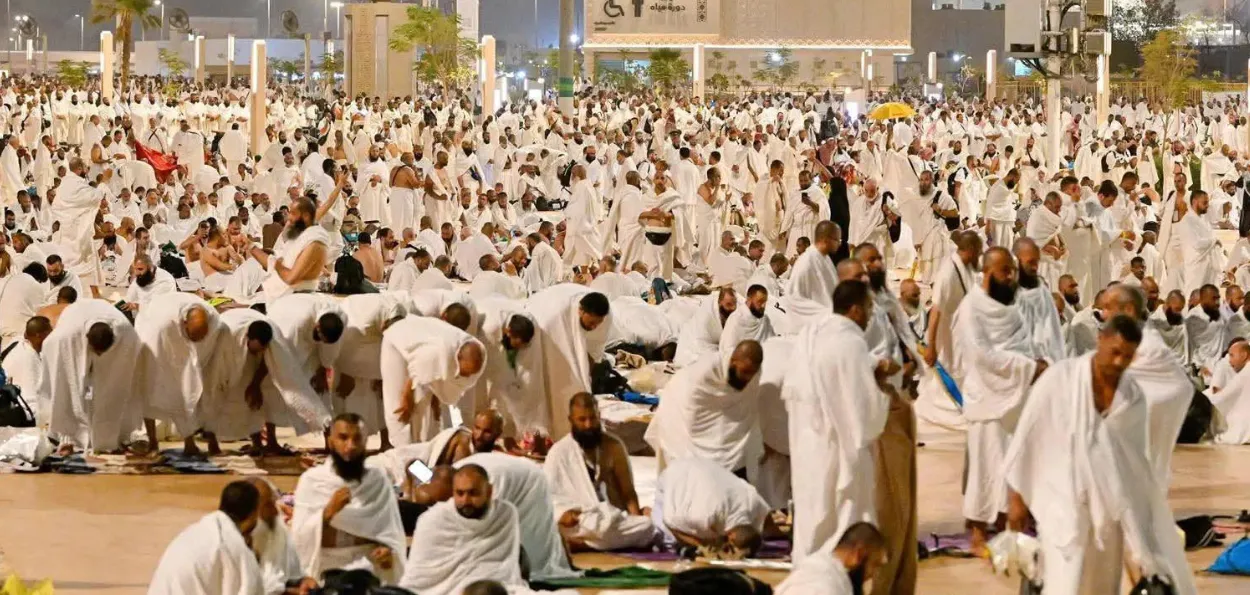
READ MORE: Hajj 2026: Faith moves 1.7 million Muslims through Islam's holiest pilgrimage
Reports further suggest that negotiators are refining a broader 14-point understanding intended to halt active hostilities and fully reopen maritime trade routes, potentially paving the way for a longer-term settlement between the two countries.