Mumbai
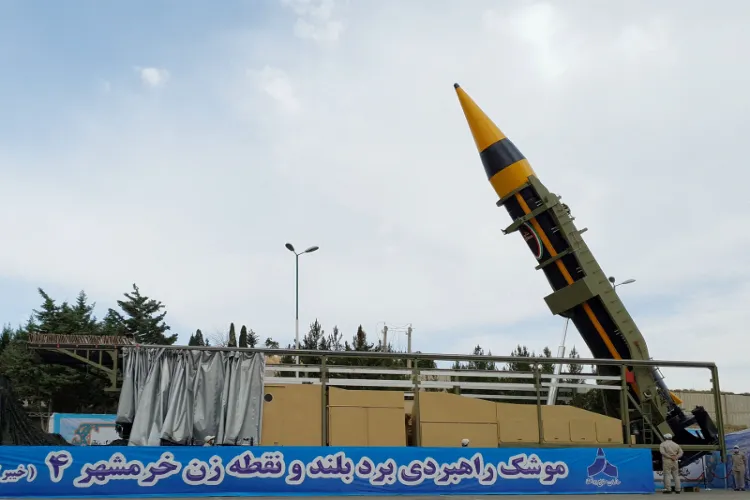
Escalating tensions in Iran and the wider West Asia region have heightened concerns over global crude oil supplies, with experts warning of sustained volatility that could have a significant impact on India’s energy sector.
Stock market expert Sunil Shah attributed the recent turbulence in global markets to deepening geopolitical uncertainty.
“Crude oil prices will rise, gold and silver will rise, currencies will depreciate against the dollar, and capital markets worldwide will decline. The reason is simple—uncertainty. Everyone wants this situation to calm down. But it clearly seems that the attacks will continue for quite some time. Let’s hope things improve from here,” Shah told ANI.
Brent crude prices have surged amid fears of supply disruptions, especially around critical shipping routes in the region.
Highlighting India’s vulnerability, Sehul Bhatt, Director at Crisil Intelligence, said developments in the Middle East could significantly increase pricing and procurement risks.
“Geopolitical developments could raise risks for crude oil and liquefied natural gas (LNG), posing substantial challenges for India, which has more than 85 per cent and 50 per cent import dependency respectively on these commodities,” Bhatt said in a note.
He pointed out that crude oil prices have jumped above USD 75 per barrel over the past two days.
“If geopolitical issues ease, we expect prices to average USD 65–70 in CY2026. However, prolonged conflict could push prices even higher,” he added.
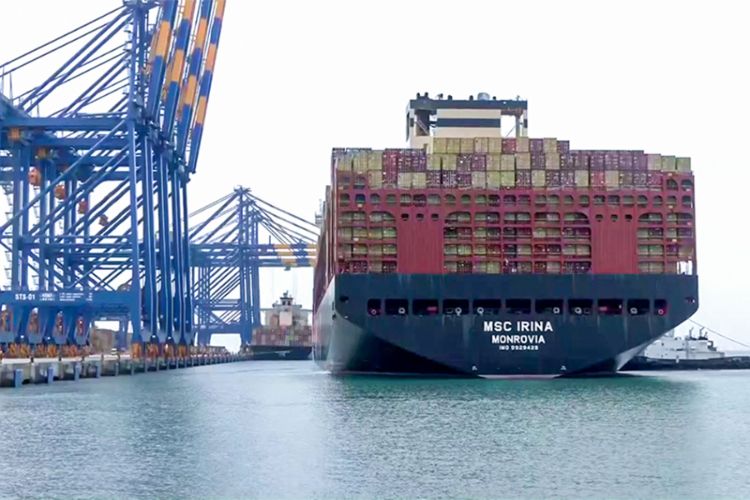
Bhatt further underlined supply chain risks, noting that while Iran accounts for about 4.5–5 per cent of global oil supply, the bigger concern is disruption at the Strait of Hormuz, which is critical for nearly half of India’s imports of crude oil and LNG. Any prolonged disruption could force rerouting via the Cape of Good Hope, increasing transit times, freight costs and insurance premiums.
Echoing similar concerns, Sumit Pokharna, Vice President – Fundamental Research at Kotak Securities, said Brent crude prices are likely to remain elevated in the near term amid escalating tensions involving the United States, Israel and Iran.
“The rise reflects both real supply-side risks and an increased geopolitical risk premium. Market concerns are largely centred on possible disruptions in the Strait of Hormuz, a critical route that accounts for nearly 20 per cent of global oil flows,” Pokharna said.
For India, which imports nearly 85 per cent of its crude oil needs, higher prices pose serious macroeconomic and sector-specific challenges.
“Oil marketing companies are particularly vulnerable, as elevated crude prices can compress refining margins, increase working capital requirements, and lead to higher borrowing costs and debt levels,” he added.
Meanwhile, Vijay Kalantri, Chairman of World Trade Centre Mumbai, said India has benefited from lower crude prices from Russia and Iran in recent times.
“With the latest developments in Iran, we are more impacted by the situation there. We will source oil from Venezuela and Russia as per existing agreements,” Kalantri said.
Expressing cautious optimism, he added, “I hope things will settle down in three to four weeks. Oil prices may not rise further.”
READ MORE: Darakhshan Andrabi - first woman to head Waqf Board proved her mettle
As tensions continue to simmer, experts caution that India’s energy sector—particularly crude oil procurement and pricing—will remain closely linked to geopolitical developments in West Asia.










.webp "Dubai (Representational Image)")

.webp)