Ashhar Alam | New Delhi
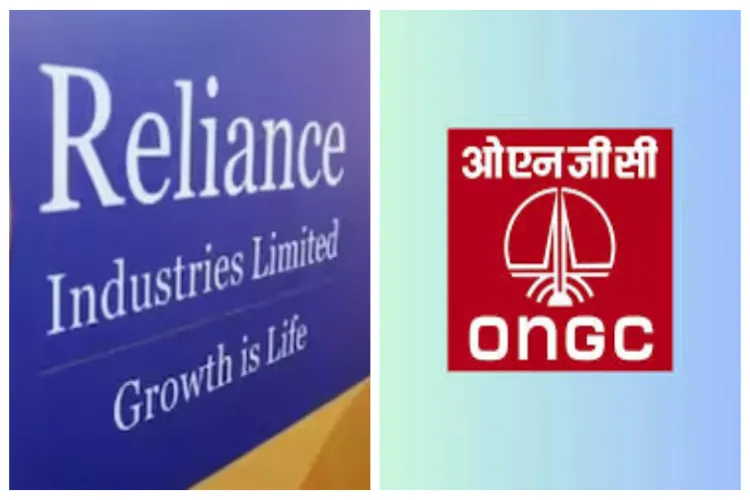
In a strategic step to enhance offshore energy operations, Oil and Natural Gas Corporation Ltd (ONGC) and Reliance Industries Ltd have signed a memorandum of understanding (MoU) to share key resources, including offshore supply vessels (OSVs), across their adjacent oil and gas fields.
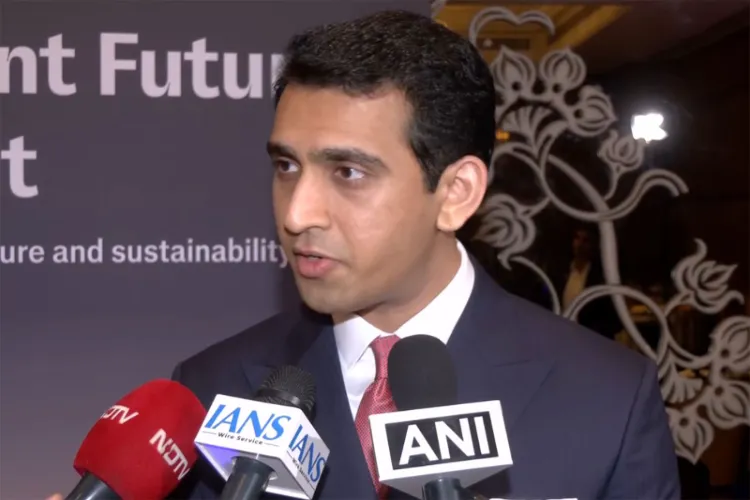
The agreement, formalised on the sidelines of India Energy Week (IEW), is aimed at improving operational efficiency, speeding up project execution, and reducing duplication of efforts, according to Pankaj Kumar, ONGC Director (Production). The collaboration is expected to create stronger synergies between India’s largest oil and gas producer and the nation’s most valuable company, particularly off the east coast.
Under the MoU, the two companies will explore joint utilisation of infrastructure, technical expertise, and other offshore resources to optimise capital deployment and accelerate the development of critical offshore assets, which are key to meeting India’s rising energy demand.
This marks the second recent collaboration between ONGC and Reliance. In 2024, both firms partnered with BP to bid for Block GS-OSHP-2022/2, a 5,454-sq-km offshore tract in the Saurashtra Basin under the Open Acreage Licensing Policy (OALP) round IX, highlighting the sector’s growing emphasis on cooperative exploration.
Currently, when an OSV is hired by one company, it requires multiple approvals from authorities including the ministries of Defence and Home Affairs and the Directorate General of Shipping, a process that can take up to 45 days. After completing operations for one firm, the same vessel has to repeat the approval process to work for another company.
Kumar explained that since ONGC and Reliance have complementary operations, sharing OSVs would allow vessels to move seamlessly between blocks once all regulatory approvals are secured. For instance, a vessel working on ONGC’s KG-DWN-98/2 block in the Krishna Godavari basin could then move to the adjacent KG-DWN-98/3 block operated by Reliance-BP without going through repeated approvals.
ALSO READ: India’s-EU landmark FTA to spur growth, jobs, increase New Delhi's relevance
The companies plan to approach the government to allow any OSV with existing approvals to operate freely across Indian sedimentary basins.
Industry analysts say the MoU reflects India’s broader push for collaborative exploration, risk-sharing, and enhanced energy security. Observers see the partnership as a practical model that balances operational efficiency with long-term strategic interests, bolstering domestic energy production while mitigating vulnerabilities to global supply disruptions.