New Delhi
Two-wheeler manufacturers are expected to lead earnings growth among Indian automakers in the September quarter, even as rising commodity costs are likely to limit the benefits of strong vehicle sales, according to a report by Jefferies.
The report said the demand boost following the Goods and Services Tax (GST) changes continued during the quarter, supporting double-digit wholesale volume growth across most vehicle categories.
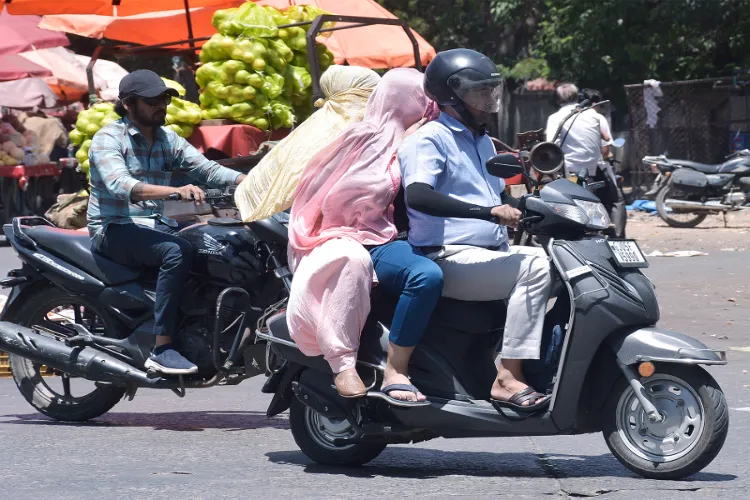
"2Ws should continue to lead," the report said, highlighting the segment's stronger expected earnings performance compared with passenger vehicle manufacturers.
The brokerage expects pre-exceptional profit before tax (PBT) at TVS Motor Company to rise 45 per cent year-on-year, followed by 26 per cent growth at Bajaj Auto and 14 per cent at Eicher Motors in the second quarter of FY27.
However, the brokerage cautioned that higher commodity costs could weigh on profitability despite the improvement in sales. It expects aggregate revenue for its covered automobile original equipment manufacturers (OEMs), excluding Tata Motors Passenger Vehicles, to increase 27 per cent year-on-year in the September quarter.
Despite this growth, aggregate earnings before interest, taxes, depreciation and amortisation (EBITDA) are expected to rise by only 7 per cent, as operating margins remain under pressure.
Jefferies expects aggregate EBITDA margins to contract by 2.3 percentage points year-on-year, although they could improve marginally by 20 basis points sequentially.
The report further said vehicle wholesale volumes remained strong across most segments during the quarter. Medium and heavy commercial trucks recorded 40 per cent year-on-year growth, followed by passenger vehicles at 31 per cent and two-wheelers at 16 per cent. Tractor volumes, however, declined 5 per cent, which Jefferies attributed to a high base and a weaker monsoon.
READ MORE:Why great care must be taken while selecting an Imam?
The brokerage expects earnings performance to remain uneven across the automobile sector, with two-wheeler manufacturers better placed to convert volume growth into profit growth, while commodity costs continue to constrain overall margins.

.jpg "Gujarat’s women entrepreneurs bring their craftsmanship to life during Navratri")








.webp "Prime Minister Narendra Modi")
.jpg "Shrikant Chouhan, Head of Equity Research at Kotak Neo")