Ashhar Alam/New Delhi
India is witnessing a worrying shift in its mental health profile, with a growing number of disorders emerging at a much younger age, mental health experts warned at the 77th Annual National Conference of the Indian Psychiatric Society (ANCIPS 2026). Nearly 60 per cent of diagnosed mental disorders in the country are now found in individuals below the age of 35, according to data shared at the event.
The four-day conference, underway from January 28 to 31 at Yashobhoomi in Delhi, has brought together psychiatrists, researchers, clinicians and policymakers to deliberate on the country’s expanding mental health crisis and the urgent need for early intervention.
Experts highlighted that mental illnesses often begin in adolescence or early adulthood, with the median age of onset between 19 and 20 years. International research tracking over seven lakh individuals shows that more than one-third of mental disorders start before the age of 14, nearly half before 18, and over 60 per cent by the age of 25.
These early-onset conditions ranging from anxiety, ADHD and eating disorders to depression, substance use and behavioural addictions can quietly shape educational performance, career trajectories and long-term wellbeing if left untreated.
“When mental disorders begin early and remain untreated, they often become lifelong conditions,” said Dr Deepak Raheja, organising secretary of ANCIPS 2026. “Early screening and intervention in schools and colleges are no longer optional, they are essential.”
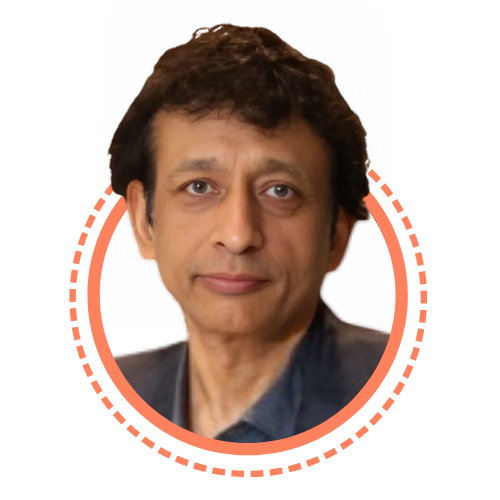
Dr Deepak Raheja, organising secretary of ANCIPS 2026
Suicide trends further underline the urgency. According to the World Health Organisation, suicide is the third leading cause of death among people aged 15 to 29, making youth mental health a major public health concern rather than a purely clinical issue.
Experts attributed the rising distress among young people to a complex mix of academic pressure, employment uncertainty, social isolation, excessive digital exposure and lingering emotional stress. Studies presented at the conference indicate that frequent mental distress among those aged 18 to 25 has more than doubled over the past decade.
“Excessive reliance on the virtual world and delayed treatment are accelerating mental health challenges,” noted Dr Nimesh G Desai, chairperson of the ANCIPS 2026 organising committee. “India must move from crisis response to prevention and early care.”
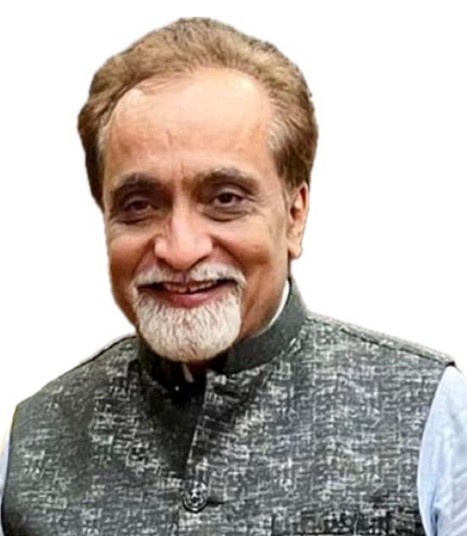
Dr Nimesh G Desai, chairperson of the ANCIPS 2026
Highlighting the changing realities faced by today’s youth, Indian Psychiatric Society president Dr Savita Malhotra said rapid social change has intensified emotional pressures. “Young people face intense competition, constant comparison on digital platforms and uncertainty about the future. Mental health services must evolve to meet these realities,” she said.
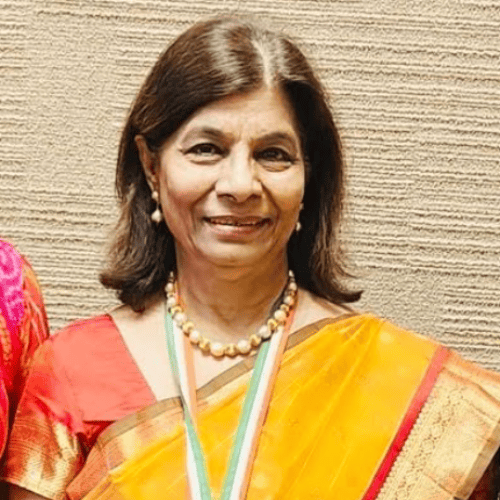
Indian Psychiatric Society president Dr Savita Malhotra
Calling mental health central to national development, IPS president-elect Dr T S S Rao stressed that India’s demographic dividend depends on the wellbeing of its youth.
ALSO READ: India’s-EU landmark FTA to spur growth, jobs, increase New Delhi's relevance
“Investment in mental health is not a cost, it is an investment in the nation’s future,” he said.
ANCIPS 2026 aims to address India’s significant mental health treatment gap, where an estimated 70–80 per cent of affected individuals still lack timely care. The conference has called for stronger policies, greater funding and youth-focused mental health initiatives to tackle a crisis that experts say India can no longer afford to ignore.

.webp "Union Home Minister Amit Shah")







.webp "Representational Image")