Itanagar
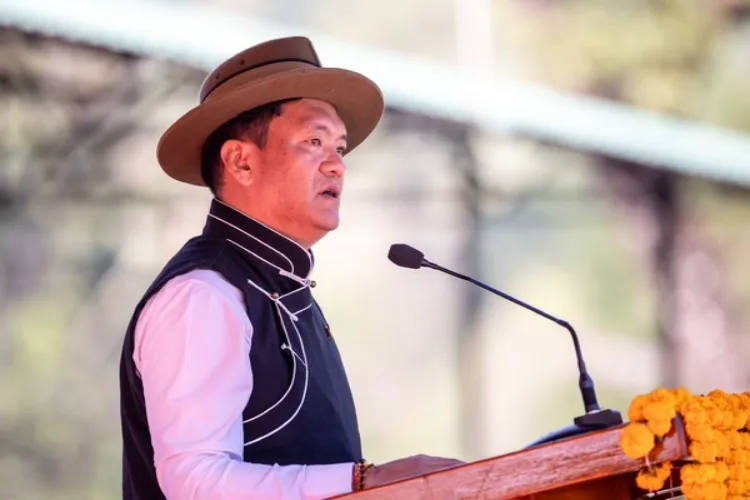
Arunachal Pradesh Chief Minister Pema Khandu on Wednesday announced that the state government will establish a separate department for the Inner Line Permit (ILP) system to strengthen enforcement and better protect the rights of indigenous tribal communities.
The announcement came after a seven-hour consultative meeting involving student organisations, community-based groups, legal experts, political representatives and civil society members. The discussions focused on indigenous rights, ILP implementation and demands raised by the Arunachal Pradesh ST Bachao Andolan Committee (APSTBAC).
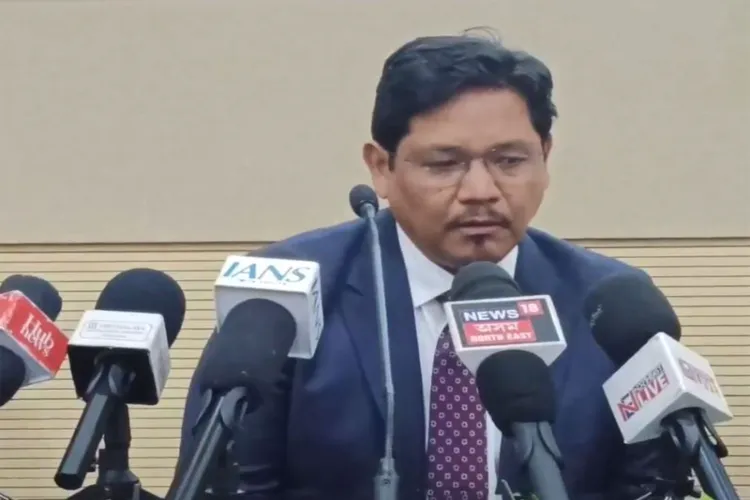
Addressing reporters after the meeting, Khandu described the deliberations as one of the most detailed discussions held on the future of the state’s tribal identity and demographic security.
“All stakeholders, including student bodies, political representatives and community organisations, shared their views and concerns during the meeting,” he said.
The chief minister said the government had accepted in principle the four major demands submitted by APSTBAC, calling them legitimate concerns. These demands include stricter protection of indigenous rights, stronger action against illegal immigrants, effective implementation of the ILP system and opposition to granting Scheduled Tribe status to non-tribal groups.
Khandu also announced that seven-member delegations from the Arunachal Indigenous Tribes Forum (AITF), All Arunachal Pradesh Students’ Union (AAPSU), APSTBAC and a panel of legal experts would participate in another meeting on May 29 to prepare a roadmap on the issues discussed.
He said the government would soon formally notify a committee after finalising its members and assured that all recommendations would be examined transparently before any final decisions are made.
On the issue of illegal religious structures, Khandu said action would be taken against unauthorised mosques in the state. He added that directions had already been issued to the chief secretary to prepare a detailed report on such structures for further action.
The developments come after APSTBAC organised a 36-hour bandh beginning May 14 against the “Arunachal Pradesh Inner Line Permit Guidelines, 2026”. The organisation had alleged that the revised guidelines could weaken protections guaranteed under the Bengal Eastern Frontier Regulation of 1873.
The agitation turned violent on May 15, with clashes reported between protesters and security personnel. APSTBAC had also warned of a 72-hour statewide bandh if its concerns were not addressed.
Reacting to a separate 24-hour bandh called by the Arunachal Pradesh Indigenous Youth Organisation (APIYO) over the issue of illegal mosques in Itanagar, Khandu said the group had announced the protest without waiting for the outcome of the consultative meeting.
“Their concerns are genuine, and the government has already announced that action will be taken,” he said while appealing for peace and restraint.
Khandu thanked APSTBAC for raising what he described as long-standing concerns related to illegal immigration, demographic imbalance and threats to indigenous culture and identity.
He said these concerns extended beyond Arunachal Pradesh and reflected a wider national challenge. Referring to Prime Minister Narendra Modi’s Independence Day speech last year, Khandu said the Centre had already recognised demographic imbalance and illegal immigration as issues affecting law and order, cultural identity and national security.
The chief minister also revealed that Union Home Minister Amit Shah has constituted a national high-level committee on demographic change comprising retired judges, IAS and IPS officers, along with senior officials from the Ministry of Home Affairs.
Stressing the need to preserve Arunachal Pradesh’s tribal heritage, Khandu advocated greater focus on skill development and vocational training for local youths to reduce dependence on outside labour.
READ MORE: Hajj 2026: Faith moves 1.7 million Muslims through Islam's holiest pilgrimage
Drawing an example from Mizoram, he highlighted the importance of promoting dignity of labour and local employment generation. He cited a case where tribal youths trained in Bengaluru in plumbing and electrical work completed a Rs 10 lakh project in Pasighat that outside contractors had estimated at Rs 18 lakh, resulting in substantial savings and local job creation.









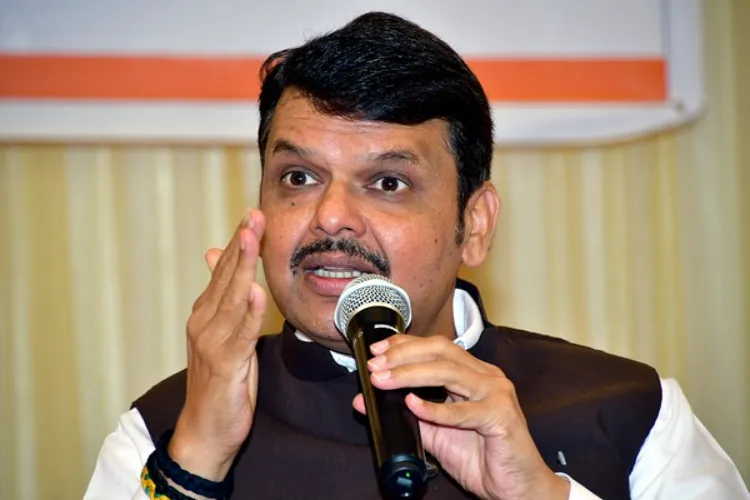

.webp "Home Minister Amit Shah")