.webp "Representational image")
Guwahati
The Assam government on Thursday assured that there is no shortage of fuel in the state, even as panic buying continued for a second consecutive day in several areas, including Guwahati.
In a statement, the Chief Secretary’s office said that petrol and diesel availability remains “quite surplus,” highlighting that only 27 per cent of fuel produced in the state is consumed locally, leaving a substantial surplus of 73 per cent.
The state’s four refineries—including Numaligarh Refinery Limited—collectively produce around 168,000 metric tonnes of petrol and 403,000 metric tonnes of diesel every month. In comparison, Assam’s monthly consumption stands at 63,000 metric tonnes of petrol and 92,000 metric tonnes of diesel.
“This leads to a monthly average surplus of 105,000 metric tonnes of petrol and 311,000 metric tonnes of diesel,” officials said, underlining that supply is more than sufficient to meet demand.
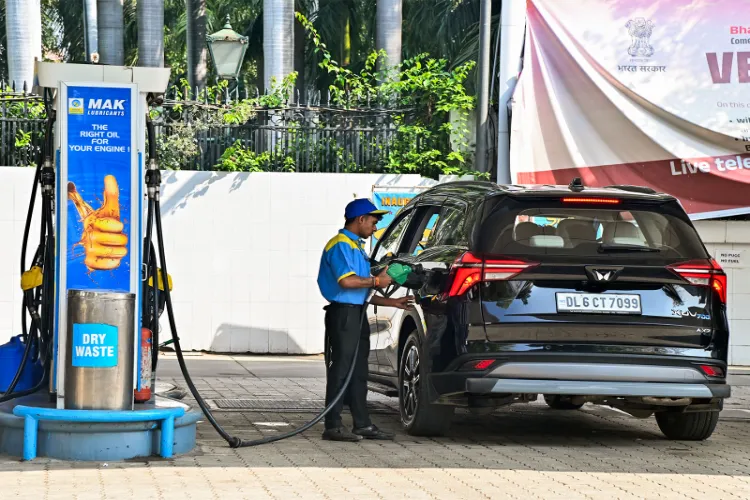
Despite these assurances, long queues were reported at fuel stations across the state, with some outlets introducing limits on fuel sales per vehicle to ensure equitable distribution among customers.
Authorities have issued strict warnings against hoarding and illegal storage. The government said that selling fuel outside vehicle tanks is prohibited, and violators may face criminal action under provisions of the Bharatiya Nyaya Sanhita (BNS), the Petroleum Act, 1934, and the Explosives Act, 1884.
In coordination with oil companies, the Indian Oil Corporation Limited (IOCL) has instructed retail outlets to strictly avoid dispensing fuel in loose containers such as plastic bottles, drums, or canisters, citing safety regulations and state directives.
Officials emphasized that these measures are aimed at preventing panic-driven hoarding and ensuring fair access to fuel for all citizens.
The situation reflects a broader pattern seen in parts of the country, where rumours and concerns linked to global developments—particularly in West Asia—have triggered unnecessary panic buying despite adequate domestic supplies.
.gif)