New Delhi
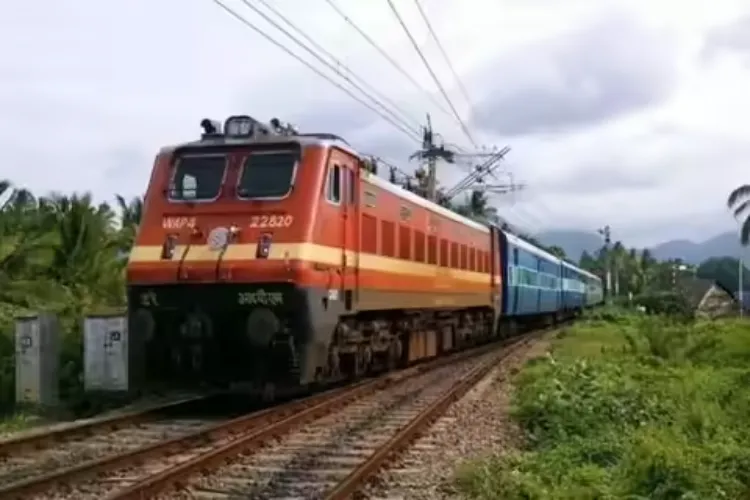
Several passenger associations have appealed to Railway Minister Ashwini Vaishnaw to reconsider the proposed changes to train ticket refund rules, warning that the move could place a financial burden on travellers.
Under the revised norms announced by the Ministry of Railways, passengers will not receive any refund if they cancel a confirmed ticket within eight hours of a train’s departure. Currently, refunds are allowed for cancellations made up to four hours before departure.
The new rules, expected to be implemented between April 1 and 15, are aimed at curbing black marketing and last-minute resale of tickets by agents. The ministry has also proposed revised refund slabs: a 50 per cent deduction for cancellations made between 24 and 8 hours before departure, and a 25 per cent deduction for cancellations between 72 and 24 hours. Full refunds—minus nominal charges—will only apply to cancellations made more than 72 hours in advance.
However, passenger groups argue that the changes are unfair, particularly in situations involving emergencies or last-minute travel disruptions. M. Jameel Ahamed of the Coimbatore District Railway Passengers’ Welfare Association said the policy would impose undue financial stress on families.
He pointed out that if a group of passengers cancels confirmed tickets within eight hours of departure, they would lose the entire fare, while the Railways could resell the same berths, effectively earning twice from a single seat. “This is unfair,” he said, urging the government to explore alternative revenue sources such as freight operations instead of tightening refund norms.
Other associations echoed similar concerns. Basant Kumar Shukla of Bhartiya Yatri Kendra questioned the timing of the reform, noting that the Railways had already extended chart preparation timings—from four hours to 9–18 hours before departure—in July 2025, without altering refund rules at that time.
Advocate Narendra Kumar Sharma of the Achhnera Railway Yatri Welfare Association welcomed the improved chart preparation system but argued that linking it with stricter refund rules would negatively impact passengers.
In response, the Railway Ministry defended the changes, stating that they would not impose any additional financial burden. It clarified that the reforms are part of a broader effort to enhance transparency and provide passengers with earlier confirmation of ticket status, especially for those travelling from distant locations.
The ministry also emphasized that the revised system ensures better planning for travellers while discouraging misuse of tickets by agents.
Despite these assurances, passenger associations have urged the government to revisit the decision and consider a more balanced approach that protects both operational efficiency and passenger interests.
READ MORE: Pilot Hana Mohsin Khan defies social and religious stereotypes
The debate highlights the ongoing challenge for Indian Railways in balancing revenue generation, system efficiency, and passenger convenience in one of the world’s largest rail networks.
.gif)










.webp "Representational image")