.webp "Lok Sabha")
New Delhi
A bill to set up a commission to select chairpersons and members for various tribunals following a Supreme Court direction was introduced in the Lok Sabha on Monday.
According to the Tribunals Reforms Bill, 2026, its key aim is to improve efficiency, ensure independence, transparency and uniformity in the qualification and appointment of chairpersons and members for various tribunals.
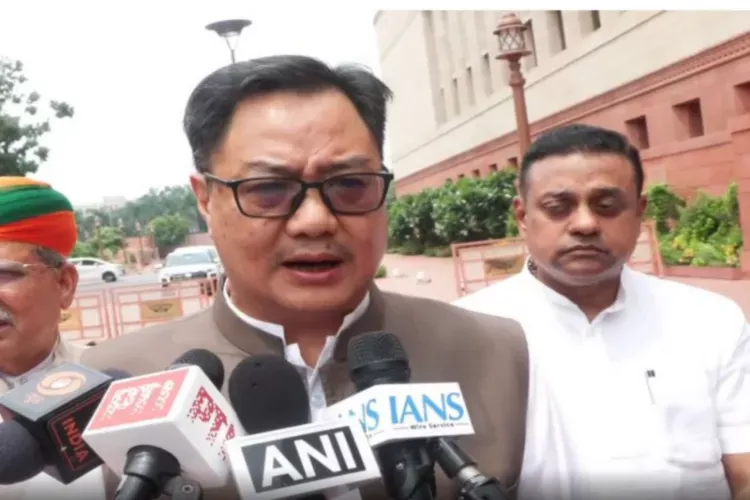
Law Minister Arjun Ram Meghwal introduced the Bill amid noisy protests by opposition members seeking the presence of Union Home Minister Amit Shah over the police crackdown on students during the July 20 protest here against the NEET paper leak.
Members who had given notices to oppose the Bill at the introduction stage chose not to speak amid the din.
The Bill also lays the framework to set up a National Tribunals Commission.
To be headquartered in the national capital, the proposed commission will consist of a chairperson and four members -- two judicial members and two technical members.
A retired Supreme Court judge or a retired chief justice of a high court will be qualified to head the proposed panel.
The draft law notes that the Supreme Court recently struck down certain provisions of the Tribunals Reforms Act, 2021, on the grounds that they were contrary to the principles of separation of powers and judicial independence and not in consonance with the earlier judicial pronouncements that clarified the standards governing the appointment, tenure and functioning of chairpersons and members of tribunals.
The top court had also directed to establish a National Tribunals Commission, which was independent, had professional expertise, and adopted a transparent process and oversight mechanism for the selection and appointment of chairpersons and members for various tribunals.
Once the Bill becomes a law, the 2021 Act will stand repealed.
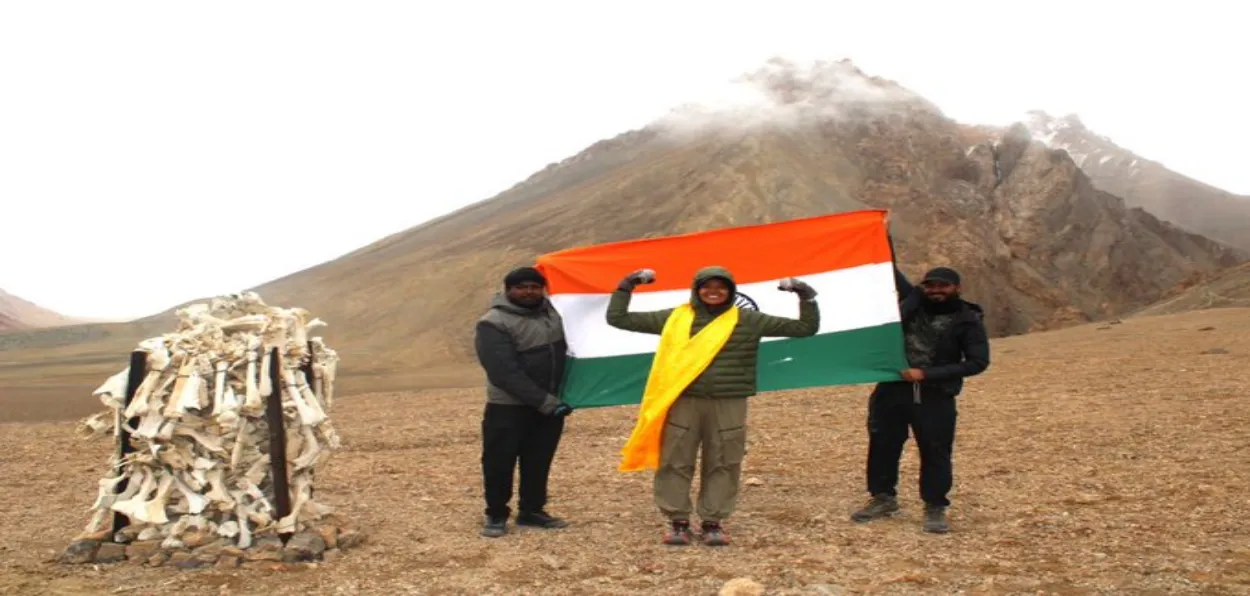
READ MORE: Sufiya Khan sets Kanyakumari to Karakoram world record!
The proposed new law also lays down the qualification, manner of selection, appointment, salaries and allowances, resignation, removal and other conditions of service for the chairpersons and members of the various tribunals specified in the Bill.

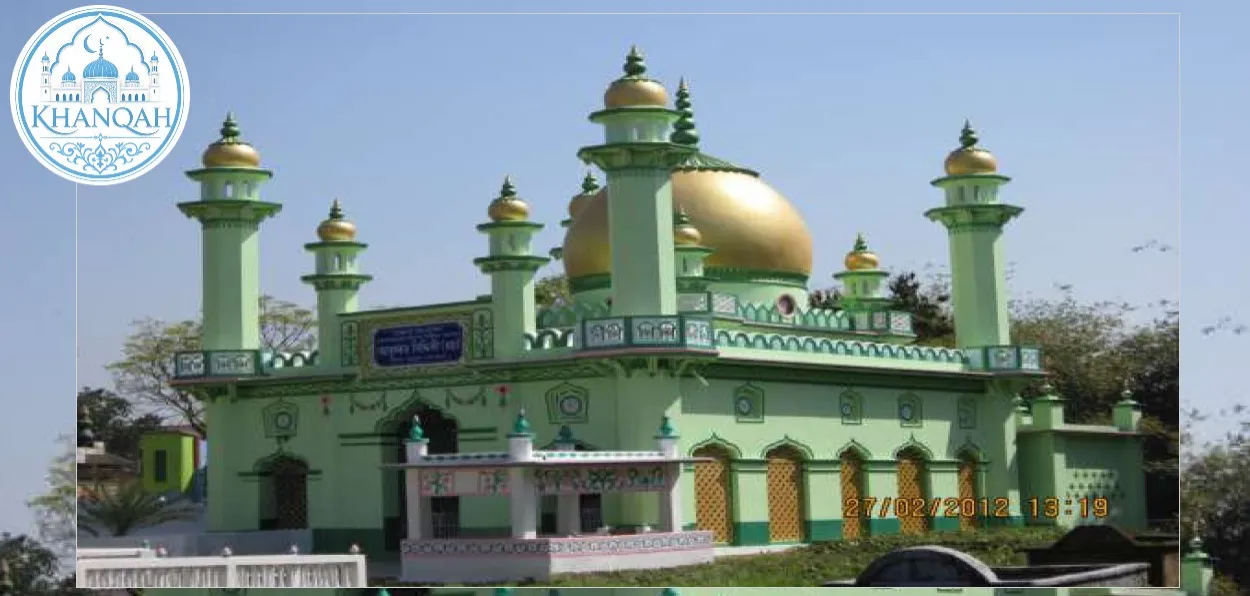
_(1).webp "The Khanqah of Pandua, Malda, West Bengal")
.webp "Shrine of Bulbul Shah, Srinagar, J&K")






.webp "Representational Image")
_(1).webp)